HOW NEW NORDIC CUISINE SPARKED A GLOBAL CULTURAL REVOLUTION
In 2004, a group of visionary chefs gathered in Copenhagen and signed a simple but radical document: a 10-point manifesto calling for a cuisine rooted in local landscapes, shaped by the seasons, and deeply respectful of nature. What they set in motion would ripple far beyond restaurant kitchens, influencing art, design, architecture and the way the world thinks about culture, community, and sustainability.
This summer, the National Museum of Norway invites visitors to explore the full reach of this phenomenon with New Nordic. Cuisine, Aesthetics and Place — an ambitious exhibition that traces how a local food movement grew into a global cultural force. Running from 23 May to 14 September 2025, the show highlights how New Nordic Cuisine, with its deep connection to place and tradition, sparked a broader aesthetic and philosophical movement that continues to shape the creative world today.
From Plate to Pavilion
More than just a culinary trend, New Nordic Cuisine encouraged a whole new way of seeing — and making. The exhibition gathers over 500 works of art, photography, design, craft, and architecture, creating a rich, cross-disciplinary portrait of a movement driven by respect for local materials, landscapes, and histories. Iconic artists like Olafur Eliasson, Pentti Kaskipuro, and Edvard Munch appear alongside contemporary innovators and craftspeople whose work embodies the spirit of the New Nordic ethos.
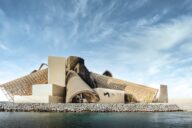
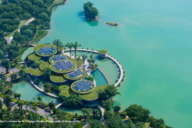
For the first time, the museum takes the exhibition beyond its walls with a new, site-specific outdoor pavilion designed by Dyvik Kahlen and landscape architects SLA. Here, New Nordic values come to life through an evolving programme of talks, workshops, cooking events, and communal gatherings — all rooted in local nature and traditions.
Built largely from spruce and topped with a living roof of Oslo’s native plants, the pavilion features a working kitchen, a fire pit, and even a root cellar for fermentation. Visitors can gather for bonfire coffee mornings, hear guest chefs speak about their craft, or join foraging trips in the nearby forests, returning to cook and share the harvest together. It’s an immersive celebration of place, community, and slow, sustainable living — all hallmarks of the New Nordic philosophy.
HOW NEW NORDIC CUISINE SPARKED A GLOBAL CULTURAL REVOLUTION
The Aesthetics of Simplicity
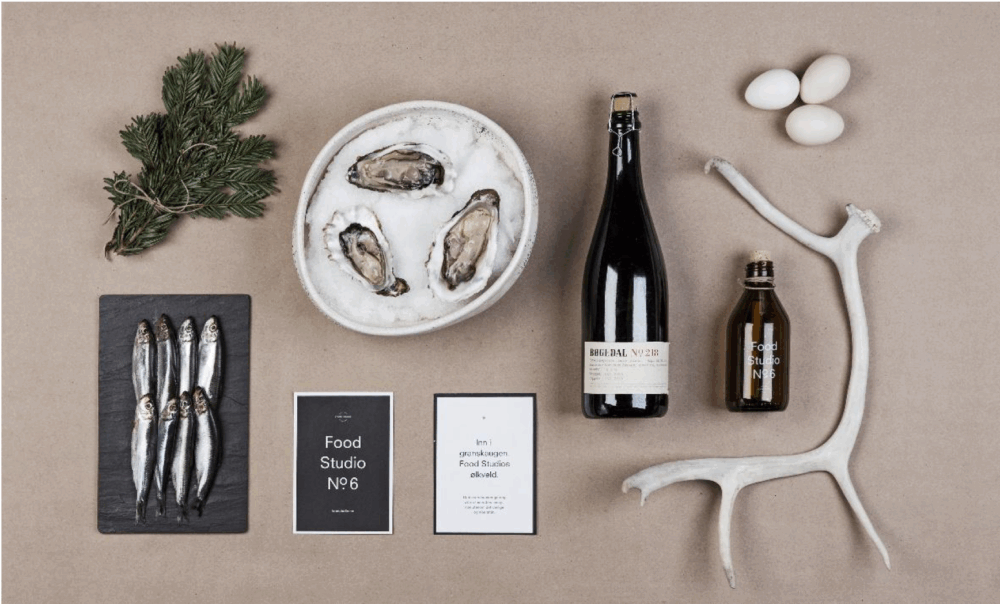
New Nordic Cuisine’s influence can be seen in more than just menus. Across the region, natural materials like raw wood, animal hides, untreated fabrics, and plant-based decoration became synonymous with a broader minimalist aesthetic — one that felt both ancient and sharply contemporary.
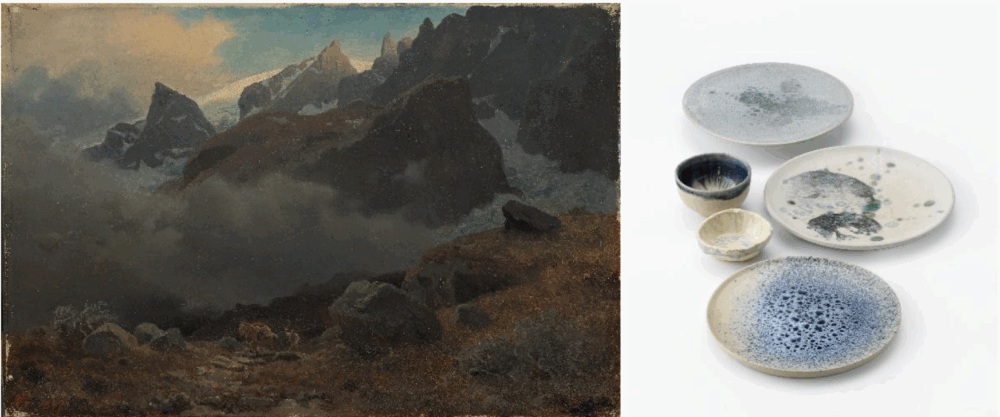
The exhibition features handcrafted tableware and objects from Michelin-starred Nordic restaurants, such as Kontrast, Maaemo, and RE-NAA in Norway; Fäviken in Sweden; Kadeau in Denmark; and Koks in the Faroe Islands. Highlights include ceramic pieces glazed with ground reindeer bone from Sissel Wathne for Restaurant Credo, a wooden langoustine press crafted by chef Magnus Ek of Oaxen Krog, and a handcrafted menu shaped like a first edition of Knut Hamsun’s novel Hunger from Oslo’s celebrated (now closed) restaurant Ylajali.
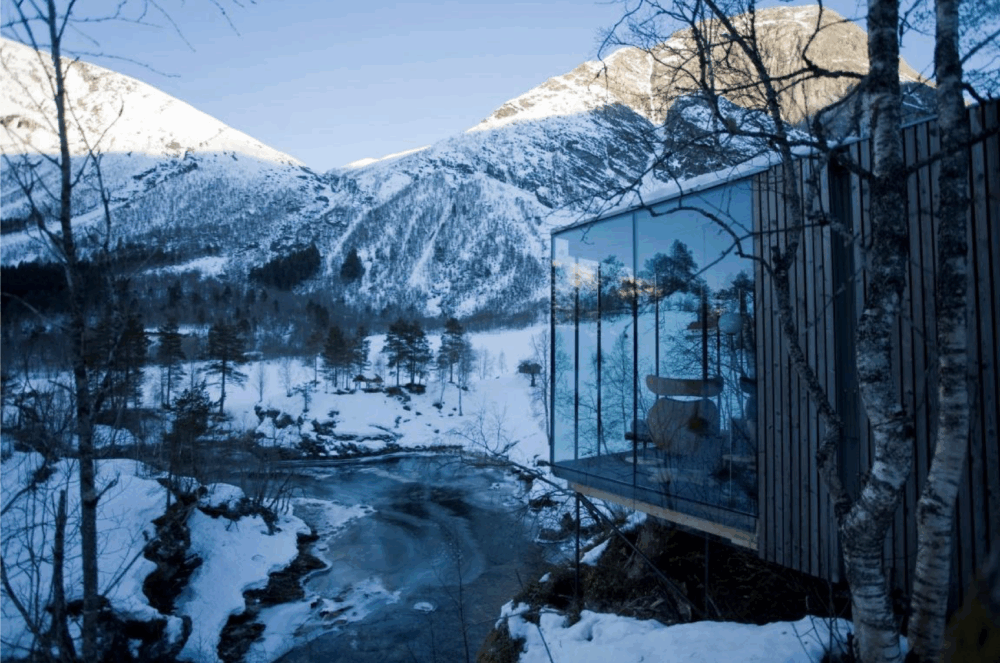
Architecture, too, finds a place here. Models and photographs from practices like Jensen & Skodvin — known for their sensitive, landscape-engaged designs — reflect how New Nordic principles reshaped built environments, offering quieter, more sustainable alternatives to globalised, high-gloss architecture.
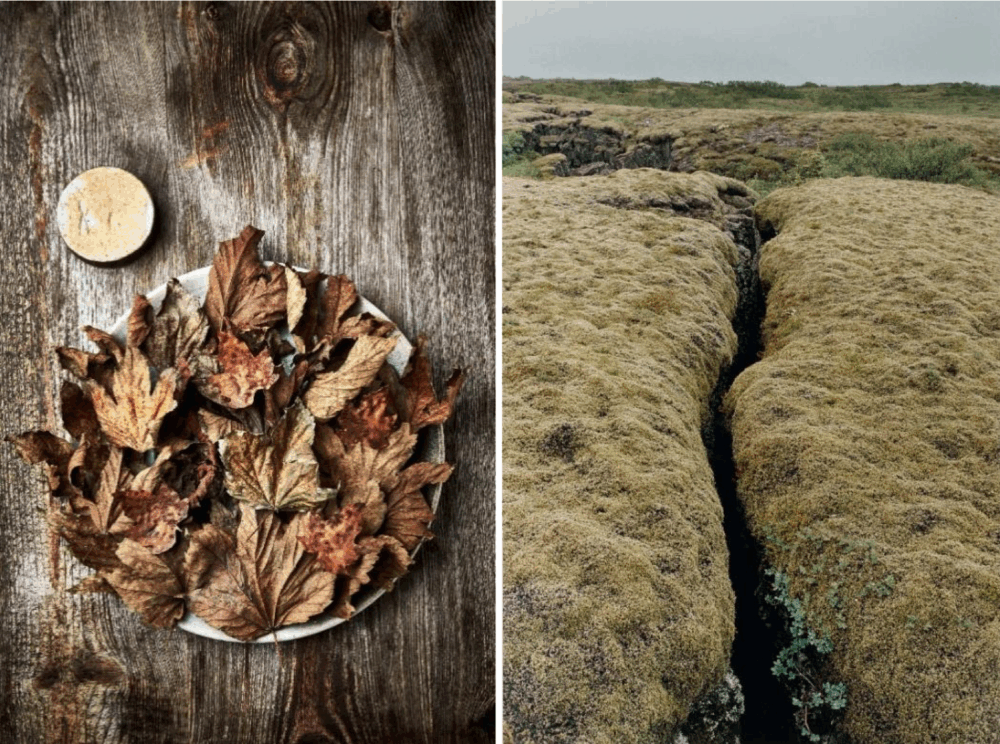
Contemporary artworks will include Olafur Eliasson’s Fault Series (2001), which captures tectonic shifts in Icelandic landscapes and reflect on the geological forces that shape the Earth
Art Rooted in Nature
Artworks featured in the exhibition evoke humanity’s evolving relationship with nature. Olafur Eliasson’s Fault Series(2001) captures the slow, tectonic shifts of Icelandic landscapes; Benjamin Alexander Huseby’s delicate still-lifes in Weeds and Aliens explore cultural ideas of native versus alien species; and Miriam Hansen’s plant-based sculptures contrast folk remedies with clinical modern medicine.
Historic works by painters like Johannes Flintoe and Hans Gude, porcelain pieces from the Flora Danica botanical survey, and even Edvard Munch’s vitalist paintings remind visitors that Nordic artists have long celebrated the raw power and beauty of nature. What New Nordic Cuisine did was draw these historic threads into a potent, contemporary narrative that resonated worldwide.
As Martin Braathen, Senior Curator at the National Museum, notes:
“The New Nordic Cuisine did not develop in a vacuum. It became the clearest expression of a broader longing for nature and authenticity. Its emphasis on ecology, craftsmanship, and small-scale production reached into architecture, design, and art — and it resonated far beyond Scandinavia.”
In a world weary of industrial food, mass production, and environmental destruction, New Nordic Cuisine offered something else: a return to locality, to seasonality, to community — and to the simple joys of living closely with nature.
A Living Movement
Reflecting this ongoing vitality, the exhibition will be accompanied by A New Nordic A to Z, a new National Museum publication exploring key ideas and quirky phenomena from the movement — from “Bread served as a separate course” to “Soursausage” and “Brodining.”
Following its run in Oslo, New Nordic. Cuisine, Aesthetics and Place will cross the Atlantic, opening at the National Nordic Museum in Seattle in November 2025 — another step in New Nordic’s extraordinary global journey.
How New Nordic Cuisine Sparked A Global Cultural Revolution
New Nordic. Cuisine, Aesthetics and Place
23 May – 14 September 2025
The National Museum of Art, Architecture and Design, Oslo, Norway