BUILDING JOY: INSIDE LEGO HOUSE, DENMARK’S MONUMENT TO PLAY
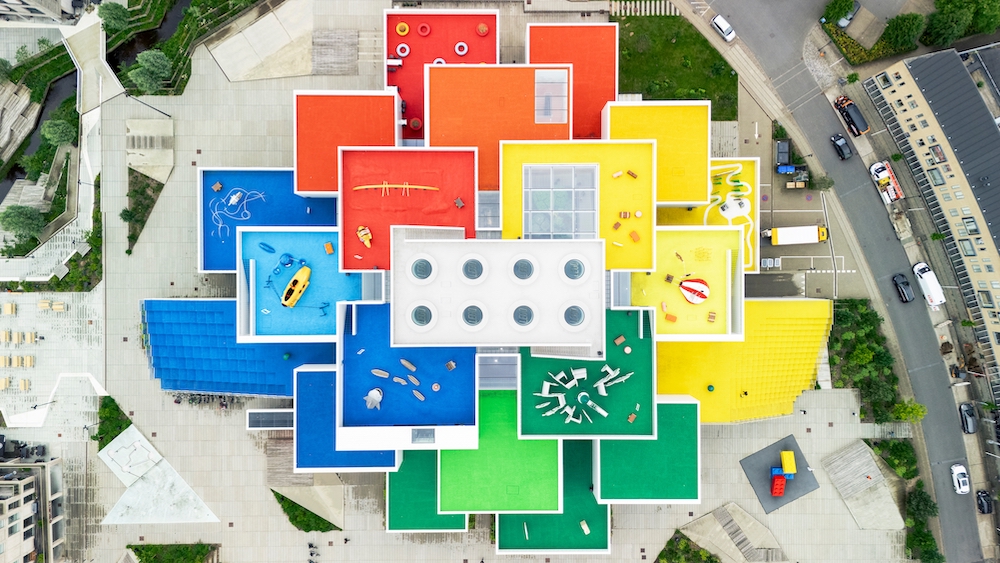
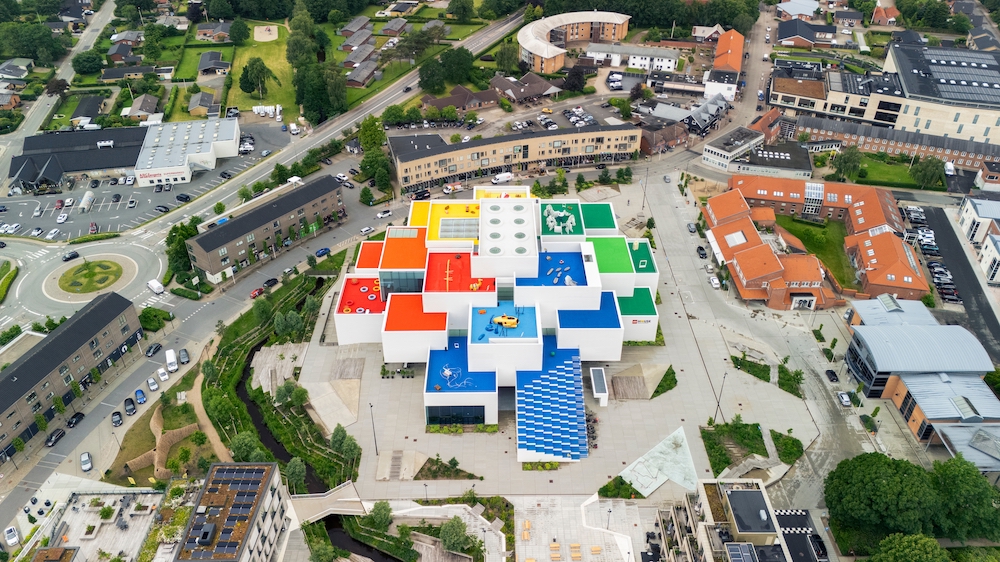
In the quietly industrious town of Billund, Denmark – population just over 6,000 – the LEGO House rises like a dream made solid. A stack of gleaming white blocks it sits atop the footprint of the town’s old city hall, replacing bureaucracy with wonder. Designed by the Copenhagen- and New York-based firm BIG (Bjarke Ingels Group), this 12,000-square-metre temple to creativity is both an architectural marvel and a love letter to the humble brick that changed the world.
Just metres from where LEGO began in 1932, the LEGO House is no ordinary museum or play centre. It’s a multi-layered, fully immersive celebration of imagination, engineering and the childlike joy of building things. This is no small feat — unless you count the 25 million tiny plastic bricks embedded throughout the experience.

Photos used with permission. ©2025 The LEGO Group.
BUILDING JOY: INSIDE LEGO HOUSE, DENMARK’S MONUMENT TO PLAY
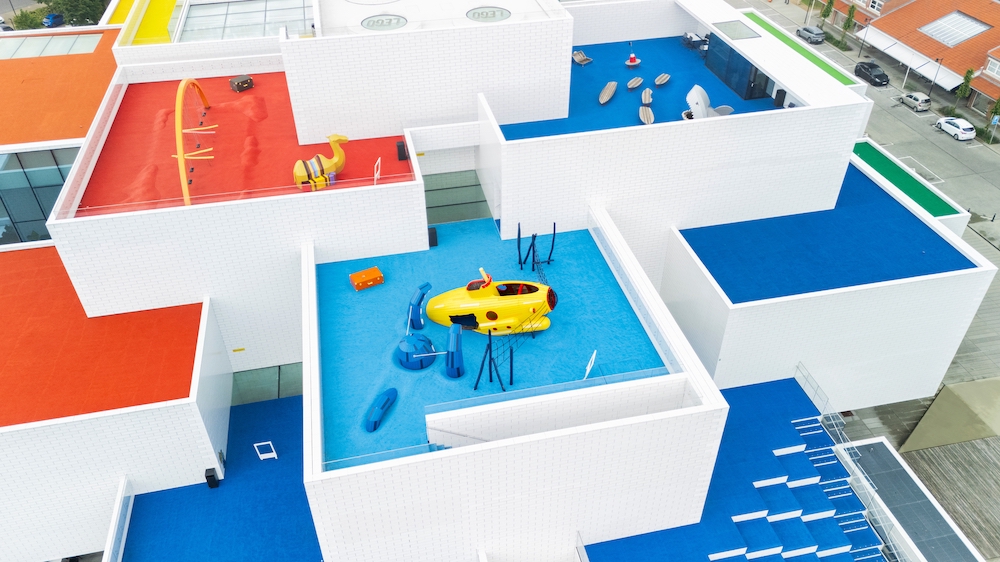
From the outside, LEGO House resembles a playful ziggurat: 21 oversized white blocks arranged in a staggered formation, like a child’s exuberant attempt to build a skyscraper. Two pixelated staircases – dubbed the melts, cascade down the corners of the structure, inviting visitors to climb to the colourful rooftop terraces. From up top, sweeping views of Billund unfold — a town that LEGO has not only shaped but practically built.
The architectural detailing is both charming and clever. White ceramic tiles coat the exterior, while eight circular skylights — shaped like the iconic LEGO stud — punctuate the roof, pouring light into the uppermost galleries. Beneath these portholes lies the Masterpiece Gallery, a serene, light-filled chamber exhibiting intricate fan-built creations. Think dinosaurs mid-roar, mythical beasts, even a few celebrity likenesses — all meticulously pieced together from thousands of bricks.

Photos used with permission. ©2025 The LEGO Group.
Downstairs, the action amps up. A huge plastic Tree of Creativity anchors the soaring atrium, wrapping around a central spiral staircase. Built from over 3 million LEGO pieces and glued by hand, it’s an awe-inspiring centrepiece that draws eyes upward and sets the tone for the experience inside: this is a space where play becomes architecture, and vice versa.
Photos used with permission. ©2025 The LEGO Group.
Each floor of LEGO House is coded by colour — a clever and intuitive way-finding system rooted in LEGO’s own palette. Red represents creativity, blue is for cognitive play, green encourages social interaction, and yellow taps into emotional intelligence. These zones aren’t just galleries; they’re hands-on playgrounds filled with build-it-yourself stations, interactive challenges (we particularly enjoyed building our own LEGO character and bringing it to life on a digital dance stage), and communal spaces where children (and plenty of adults) collaborate, compete and create.
For grown-ups — especially the AFOL (Adult Fans of LEGO) crowd — there’s just as much to savour. The lower level hosts a History Gallery that charts LEGO’s evolution from a carpenter’s wooden toy workshop to a global cultural force. The Vault holds early editions of now-legendary kits: Space Police, Classic Castle and Technic legends. There’s a warm nostalgia here, wrapped in the polished execution of Scandinavian design.
Photos used with permission. ©2025 The LEGO Group.
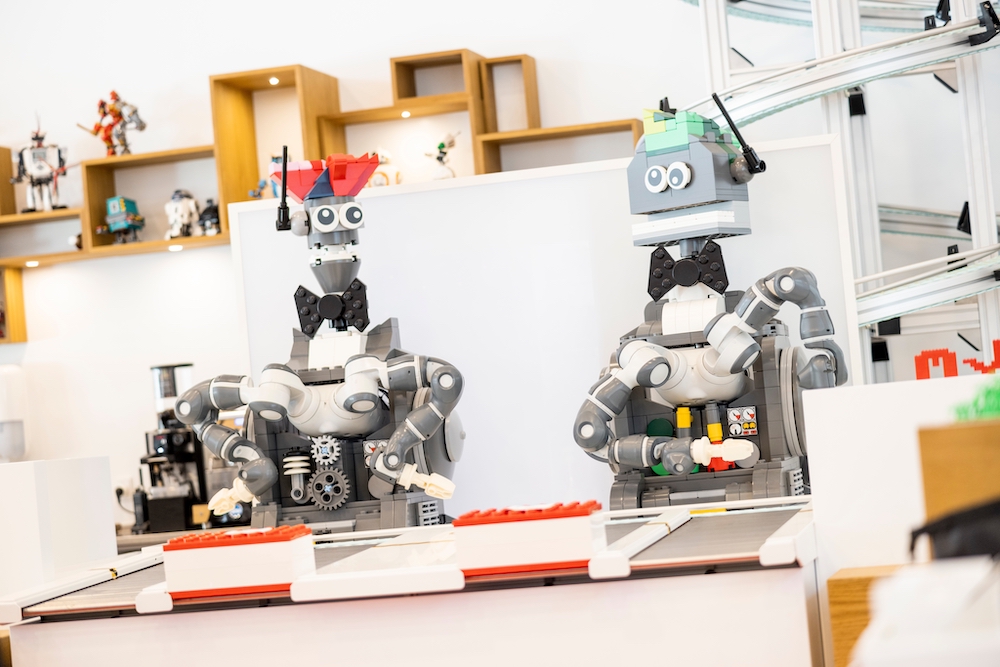
Nowhere is LEGO’s quirky charm more evident than in the on-site café ‘Mini Chef’. Here, food becomes part of the narrative: guests scan their order (made using bricks of course) and you can watch your order unfold on clever touchscreen kiosks as humanoid robots deliver meals in Lego-shaped lunchboxes via conveyor belts. The process is so joyfully theatrical that even the most design-jaded adults can’t help but grin.
The LEGO House is more than a brand showcase. It’s part of a wider masterplan to turn Billund into the Capital of Children — a phrase coined by former LEGO CEO Jørgen Vig Knudstorp. Alongside the town’s LEGOLAND theme park and LEGO’s new international school, the House is helping to reimagine Billund as a global hub for creative education. Bjarke Ingels, the architect behind this project and dozens more worldwide (including Google’s new campus), sees LEGO House as a personal homage. It’s a homecoming, he says. And it shows.
Despite its high concept, the building never feels exclusive. The public square at its core is freely accessible, functioning like an indoor piazza. Locals shortcut through it. Children dart between steps. Parents sip coffee under skylights. It’s this permeability — both literal and symbolic — that makes LEGO House so successful. It’s not a fortress of brand mythology; it’s a gift to the community.
Photos used with permission. ©2025 The LEGO Group.
BUILDING JOY: INSIDE LEGO HOUSE, DENMARK’S MONUMENT TO PLAY
Getting There:
Billund Airport is just a seven-minute drive from town, with taxis offering quick and easy transfers. The town itself is compact, walkable and immaculately clean — a model of Danish efficiency. While it remains the nerve centre of LEGO’s global empire (with 90% of production still done here), Billund retains a small-town warmth.
Who It’s For:
Families with curious kids, AFOLs on pilgrimage, architecture buffs and travellers seeking a playful detour from the usual cultural capitals.
Final Word:
LEGO House is more than a museum. It’s a physical manifesto of a brand built on creativity, joy, and problem-solving — ideals the world could use a little more of right now. With robot-served lunches, rooftop vistas, and pixel-perfect design, it’s a destination that speaks to the child in all of us.