DESIGN-LED TRAVEL IN CHINA: INSIDE HANGZHOU’S MOUNTAIN-VIEW VILLA
Creative Travel Meets Living Philosophy in Hangzhou’s Latest Architectural Gem
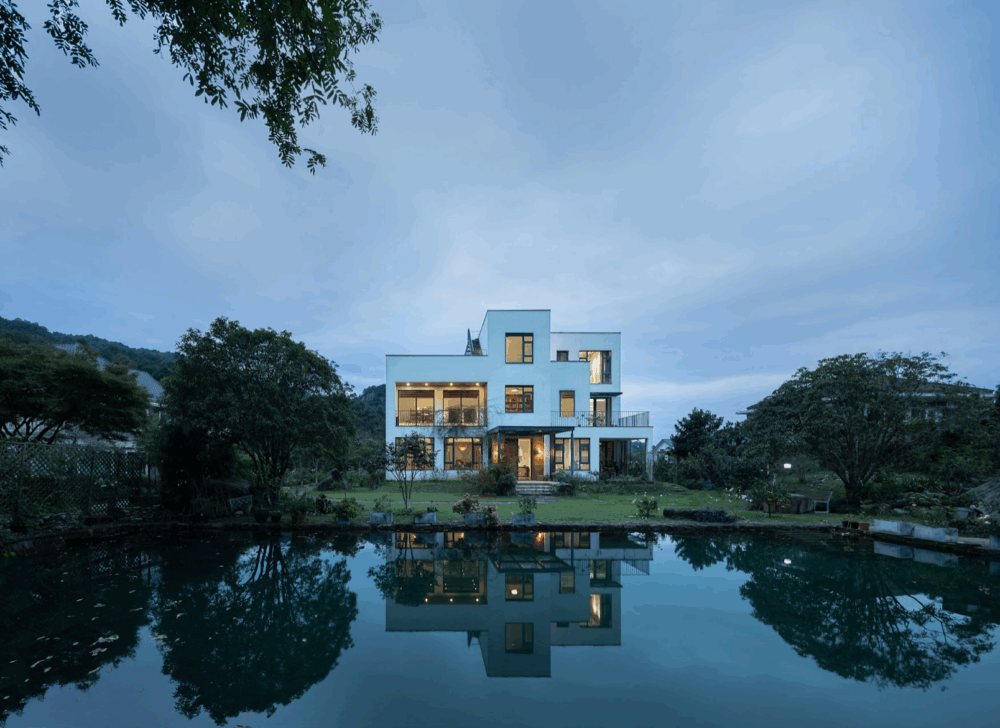
Nestled quietly on the verdant outskirts of Hangzhou, China, the Scholarly Mountain-view Villa emerges as more than just a home—it is a meditation on existence. Conceived by renowned interior design practice Jishang Space Design, the 700-square-metre, three-storey residence transforms an American-style townhouse into a profoundly thoughtful sanctuary where architectural minimalism meets spiritual and philosophical depth.
For creative travellers, design lovers, and cultural aesthetes looking for experiences that go beyond the surface, this project is a rare fusion of contemporary architecture and humanistic storytelling. Here, the lines between life and art, function and emotion, space and self, are not just blurred—they’re reimagined.
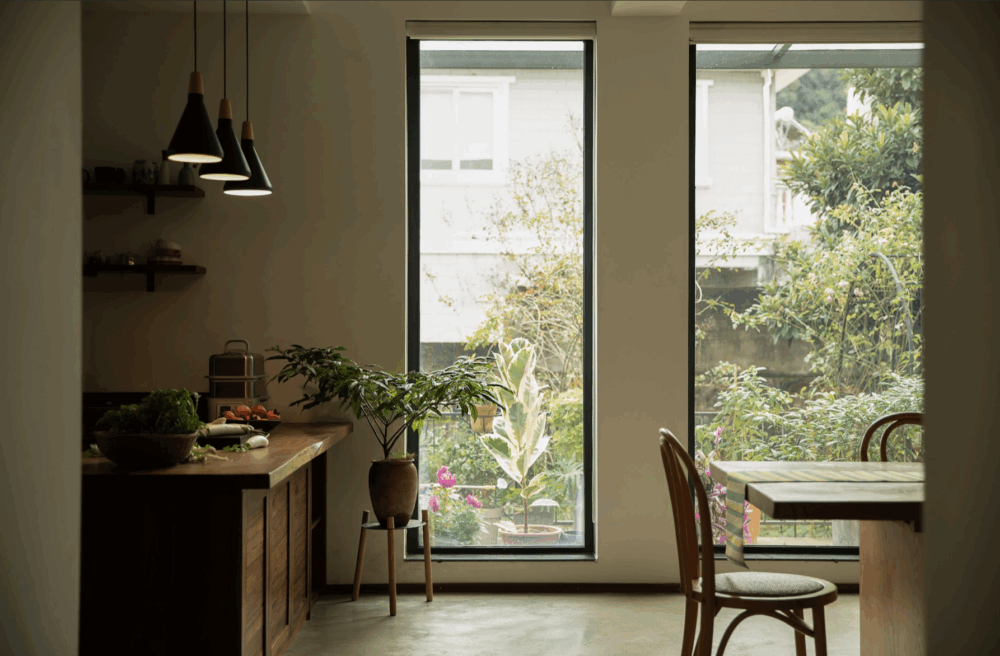
A Human-Centred Approach to Architecture
At the heart of the villa is Ding Linji, founder of Jishang Space Design, whose guiding principle was deceptively simple: design as a response to the individual. Eschewing the notion of spatial uniformity or prescriptive layouts, Linji took a bold step in crafting an interior entirely shaped by his client’s daily rituals, philosophical leanings, and inner world.
Rather than adhering to rigid programming, Linji explored a flexible architectural language—one that speaks to the rhythms of life, encourages a dialogue between human and habitat, and allows for emotional resonance to take priority over convention. This is not a house of rooms. It is a home of possibilities.
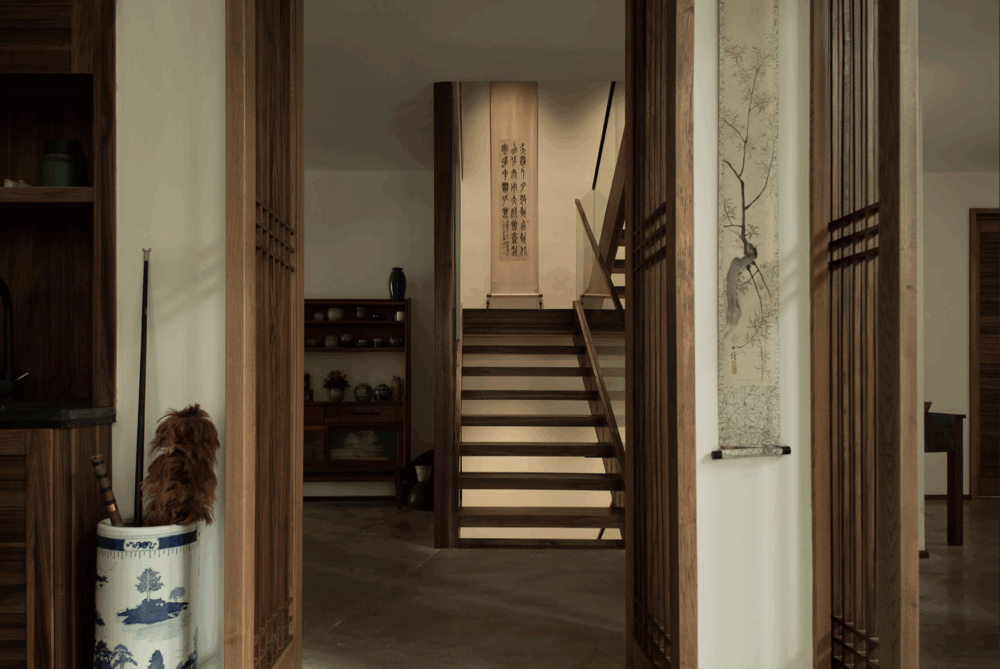
Redefining Function with ‘Scene-Based Flexibility’
Gone are the predictable titles—‘living room’, ‘study’, ‘bedroom’—that normally define a domestic interior. In their place is what Linji calls scene-based flexibility, a concept that allows rooms to evolve organically depending on mood, use, or season. A landing may serve as a reading alcove today and a meditative tea corner tomorrow. A passageway becomes a contemplative gallery space. Boundaries are porous; meanings are mutable.
By removing architectural labels, the Scholarly Mountain-view Villa empowers its inhabitants to inhabit space with intention, curiosity, and even spontaneity. This open-ended programming is not just a design decision—it’s a radical gesture toward freedom of living.
Designing with Light, Nature, and Time
Flooded with natural light and wrapped in a palette of subdued materials—white plaster, timber veneers, and organic fabrics—the villa becomes a canvas for the dance of time and nature. A stunning timber-framed skylight on the top floor captures the subtle choreography of sun and moon, pulling the sky into the home and infusing each day with a quiet awareness of passing hours.
From room to room, the materials chosen are intentionally mortal—subject to patina, wear, and the poetic decay of time. The wooden stair treads, linen curtains, and timber wall panels do not just serve a function. They record life, bearing witness to presence and memory. The house breathes, evolves, and collects its own stories.
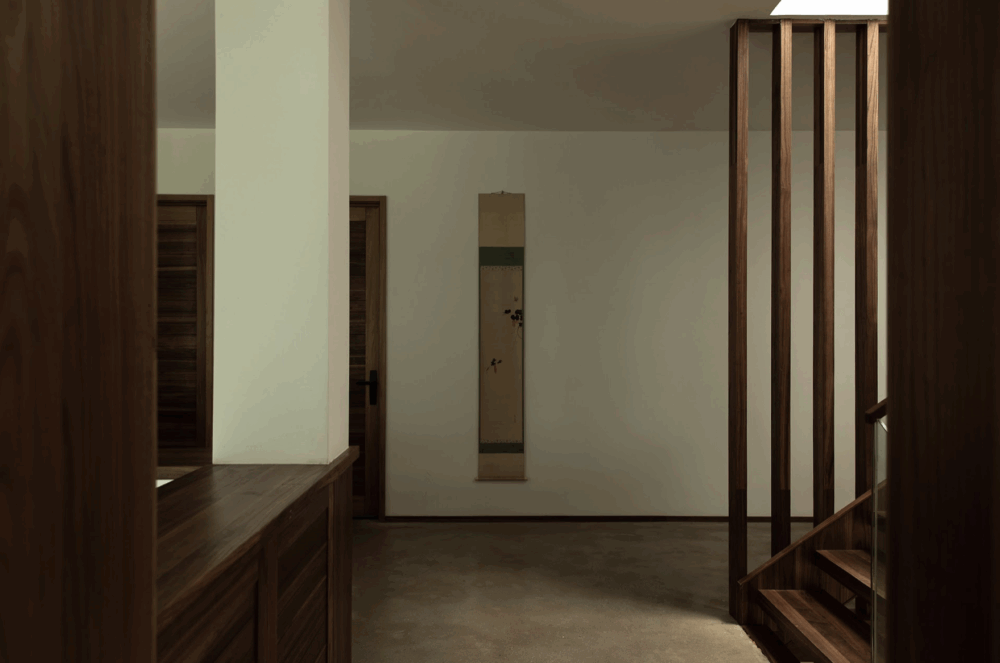
A Spiritual Layer: Calligraphy, Ceramics, and Culture
Within this minimalist envelope, the client’s passion for calligraphy and traditional Chinese art adds an emotional depth that is both personal and cultural. Artworks, scrolls, and collected ceramics are not merely decorative—they are spiritual artefacts, carefully curated in dialogue with sightlines, architectural proportions, and the material mood of the house.
In this way, the villa embodies a quiet grandeur—its beauty revealed not through ostentation, but through the harmonious integration of mind, matter, and memory. The result is a space that feels as much like a poem as it does a place of residence.
Architecture as Philosophy
What distinguishes the Scholarly Mountain-view Villa from other high-end residential designs, particularly those seen in luxury creative travel, lies in its metaphysical ambition. For Linji, this is not simply interior design. It is a discourse on life, time, and existence. It’s a deliberate reframing of how we dwell—an invitation to experience space not as a static backdrop but as a living organism, capable of growth, emotion, and mutual transformation.
This design doesn’t just reflect a lifestyle. It shapes it.
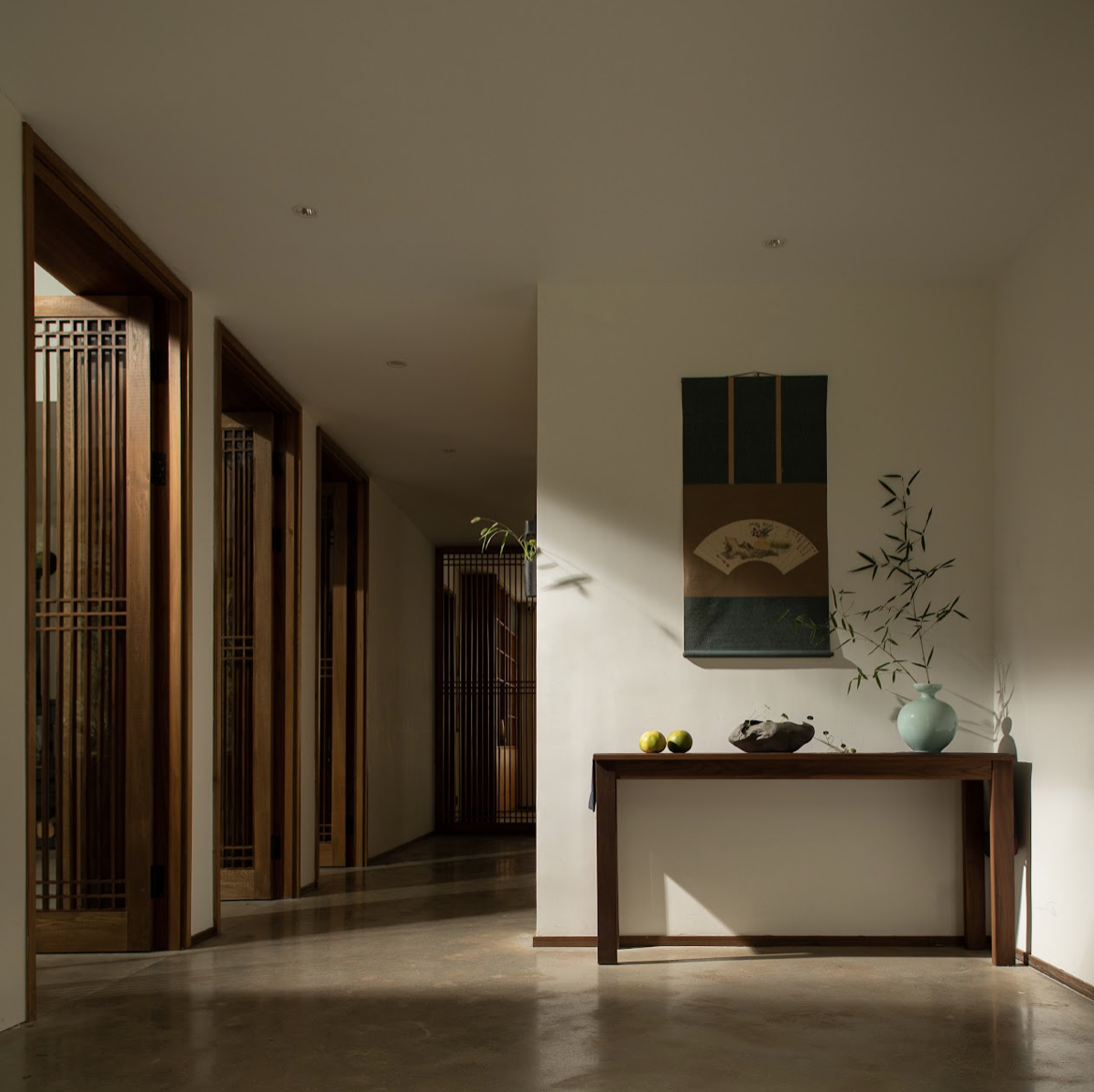
DESIGN-LED TRAVEL IN CHINA: INSIDE HANGZHOU’S MOUNTAIN-VIEW VILLA
Why It Matters for Creative Travellers and Design-Led Thinkers
For those who travel in search of meaning, design, and cultural substance, the Scholarly Mountain-view Villa offers a compelling vision of how space can mirror soul. It stands as a testament to what architecture can become when stripped of ego and ornament, and instead built around humility, beauty, and human need.
Hangzhou has long been a destination for those drawn to poetic landscapes, rich cultural heritage, and elegant modernism. This villa deepens that appeal. It’s not just a place—it’s a philosophy made spatial, and a must-see for design pilgrims, aesthetes, and anyone seeking creative inspiration from the world’s most soulful residences.