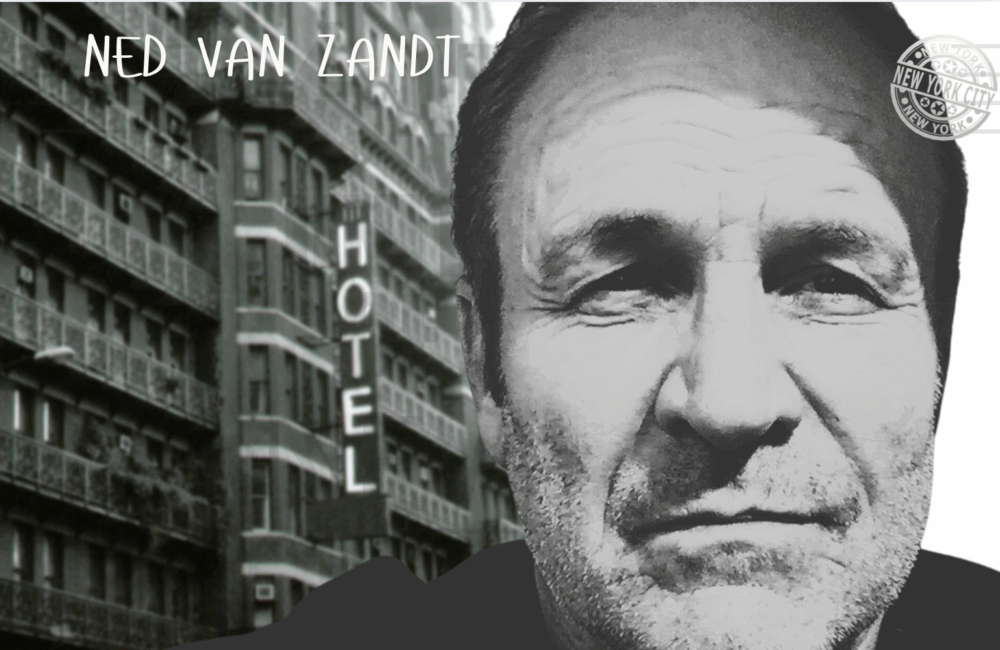
A Postcard from Ned Van Zandt: Midtown Manhattan, Hell’s Kitchen
Still here. Still standing. Still telling the tale.
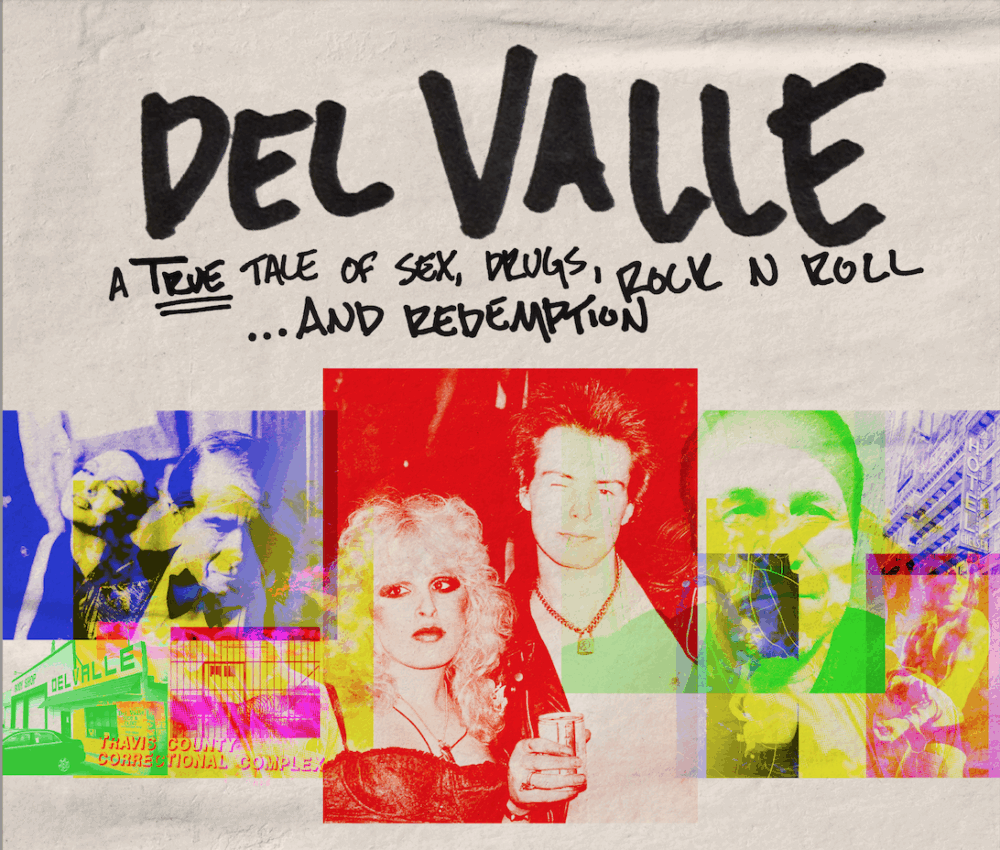
From the gritty corridors of the Chelsea Hotel to the blinding white of a prison jumpsuit in Texas, Ned Van Zandt’s life reads like a fever dream scribbled on a cocktail napkin and left at the bar of Studio 54. His one-man show Del Valle is no ordinary memoir — it’s a soul-laid-bare theatrical tour de force that careens through fame, queerness, addiction, and the elusive shape of redemption with whip-smart wit and gut-punch honesty.
This is not just a recounting of wild nights and darker mornings. It’s a reckoning. A love letter to chaos. A survivor’s smirk at the abyss. As Van Zandt channels the ghosts of 1970s New York — Sid, Nancy, Chaka, Bowie — and the hard men of the Texas correctional system, Del Valle becomes more than performance. It becomes testimony.
In this exclusive ‘Postcard From’ interview, Van Zandt transports us back to the mythic, rotting glamour of the Chelsea Hotel — to a world where art, addiction, and ambition collided nightly under the city’s blinking neon gaze. He shares his memories of the raw New York underground, the night he heard Saturday Night Fever before the world did, and the moment his anonymity cracked wide open in a Village Voice feature that brushed him against infamy.
Now sober, reflective, and still very much “Hollywood” to those who remember him behind bars, Van Zandt is no longer chasing ghosts — he’s putting them on stage.
This is Del Valle: a feral, funny, and fearless dispatch from a man who has lived the kind of life most of us wouldn’t dare to imagine.

A POSTCARD FROM NED VAN ZANDT: MIDTOWN MANHATTAN, HELL’S KITCHEN
Where in the world are you writing from right now, and what do you see out the window?
Midtown Manhattan. Hell’s Kitchen. Just a wall of skyscrapers, reaching for the sky. Nothing new.
When you think back to the Chelsea Hotel in the late ’70s, what does your memory tune into first — the sound, the smell, or the feeling?
The feeling that anything could happen. That was the vibe. All the time.
Can you paint a picture of what a typical day — or night—looked like for you back then? What time did it start, and how did it usually end?
Typical? There wasn’t a “typical.” Some days started with a late breakfast at the corner deli, nursing a hangover, then maybe hitting an audition or meeting up with some weirdos to talk art. Other days, I’d wake up at noon, already in a fog, and the whole day would just bleed into the night. Nights were a blur, bouncing from CBGB’s to some private loft party, ending up wherever the wind took you, usually when the sun was coming up. You just kept going until you couldn’t.
You lived next door to Sid and Nancy — what was that proximity really like? What do you remember about Room 100, beyond the mythology?
I actually lived on the 9th floor. My room was posh compared to the squalor of Room 100. Stanley Bard, who owned and managed the hotel, moved Sid and Nancy from a higher floor to Room 100 after they had a fire in their room. He wanted to keep an eye on them. I once got in an argument with Stanley when I asked for a cheaper room, and he tried to move me to a lower floor. The lower floors were transients and hookers. I told him straight up, “Stanley, you move me down there, I’m out.” He knew I meant it. Room 100 was a mess. A dark, stinking mess.
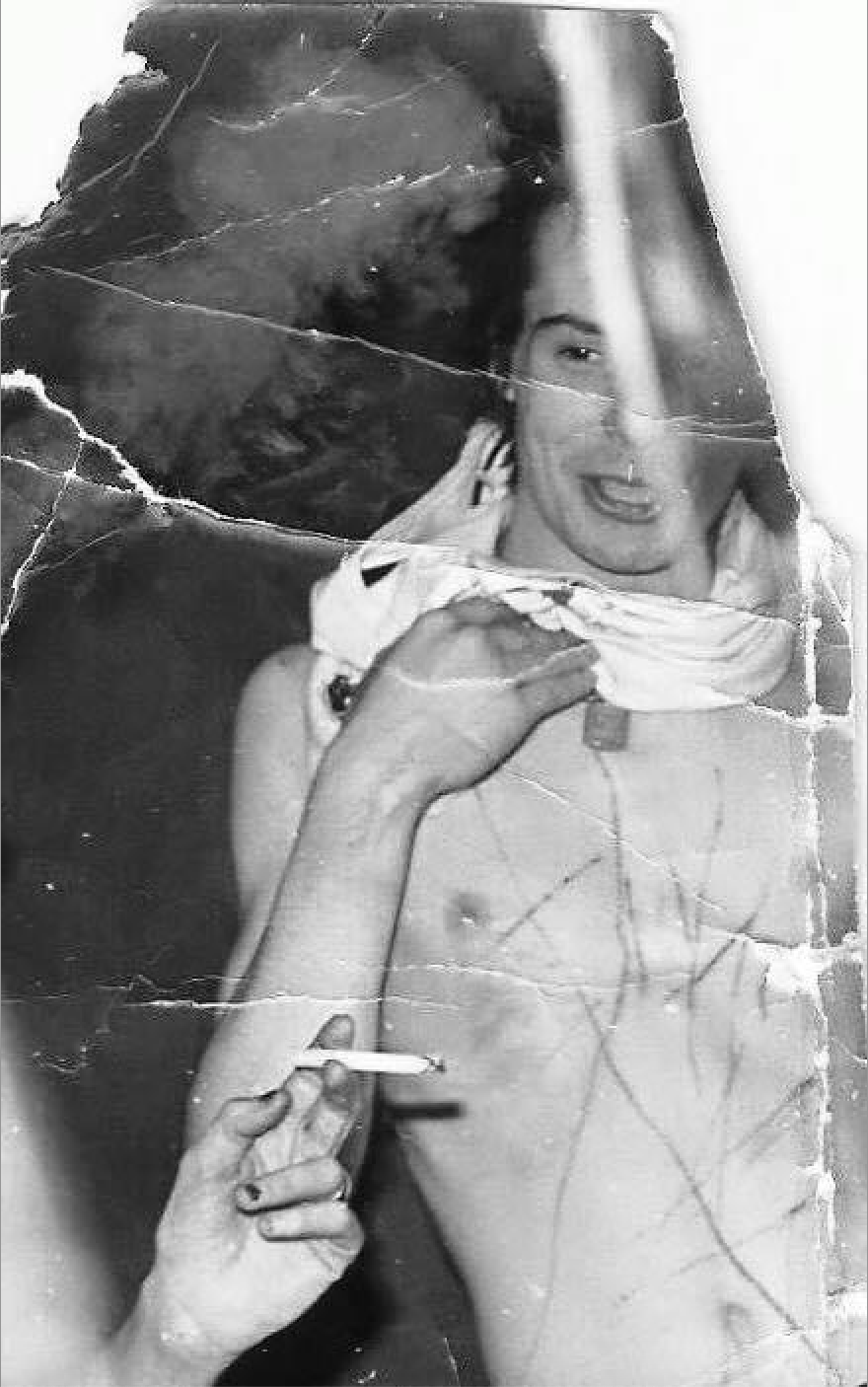
Sid
Did you feel you were living through history at the time, or did it just feel like survival?
It was both. We were making it up as we went along, living on the edge. You felt the buzz, the energy, like something monumental was happening, but at the same time, you were just trying to survive the next day, the next fix, the next hustle.
The Chelsea Hotel was famously a haven for artists, addicts, outcasts and icons — what did it teach you about fame, fragility, or freedom?
I’ve never been famous, I’m famous adjacent. But it taught me that fame’s a mirage, fragile as hell. One minute you’re on top, the next you’re a punchline. And freedom? Freedom was just the space between the last hit and the next one. The Chelsea just amplified all of it, showed you how thin that line was between genius and oblivion.
What’s one untold story from that building that you think deserves to be remembered?
Stanley Bard. He was the soul of that place. He saw everything, heard everything, and protected everyone, even the ones who didn’t deserve it.
You were moving between CBGB, Studio 54, and Hollywood film sets. How did those different worlds collide — or did they?
They didn’t just collide, they exploded. One night you’re sweating it out at CBGB’s, all raw energy and the smell of beer and urine (grossest bathroom ever), the next you’re air-kissing some movie exec at Studio 54, surrounded by velvet ropes and disco glitter. Then, just like that, you’re on a plane to L.A., trying to play the part in some Hollywood fantasy. It was all the same beast, just different masks. Everyone was chasing something, running from something.
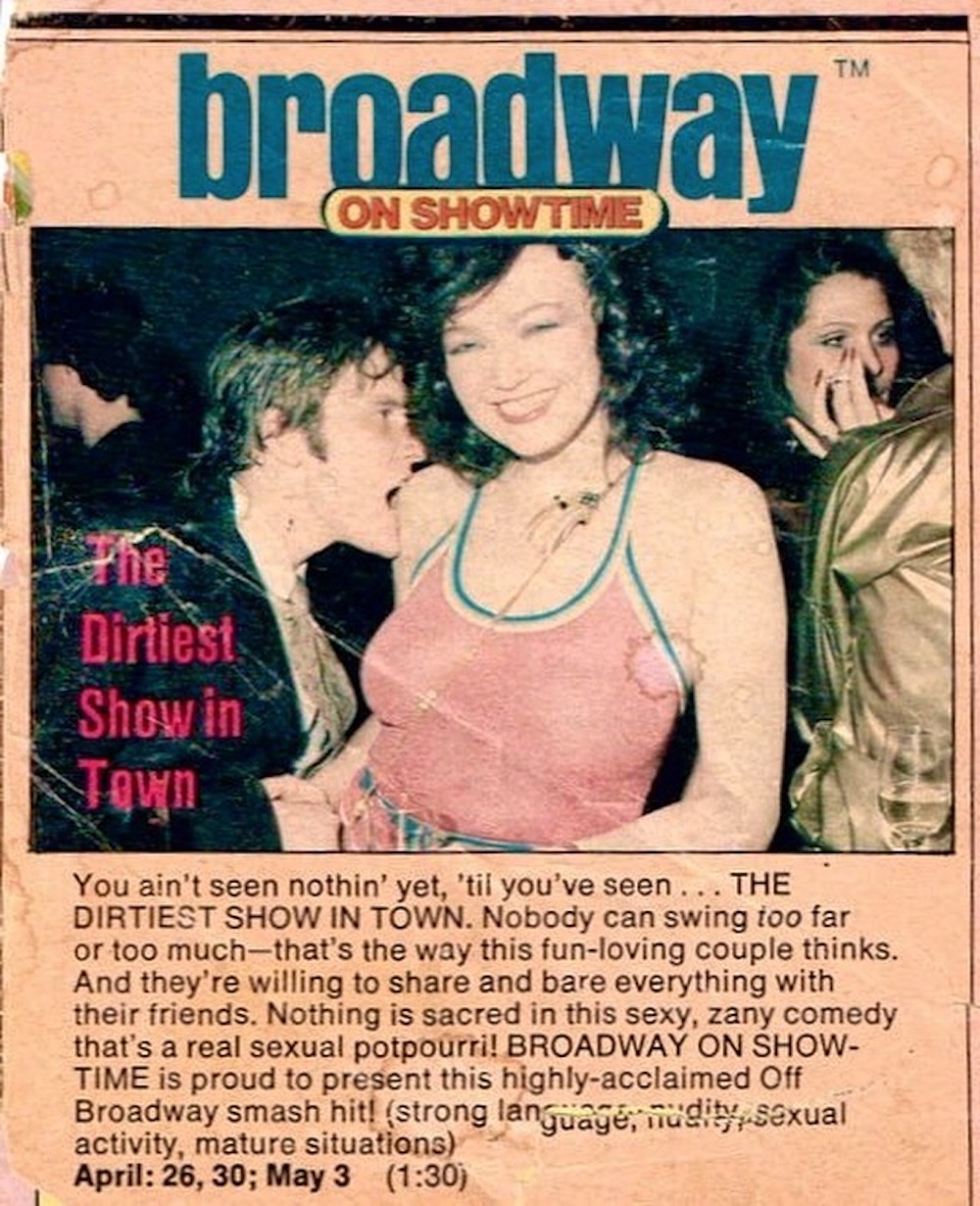
Can you tell us about a night that felt like it couldn’t have happened anywhere but 1970s New York?
There were many, but one that sticks out was my first time at Studio 54. I was hanging out with Elsa Peretti, the jewellery designer. My best friend from high school, artist Ricky Clifton, was dating her at the time. She took me to Studio 54 for the first time in a limo with Liza Minnelli, Halston and Ricky. There was cocaine involved. Elsa became a friend, and I never had trouble getting in 54.
What role did queerness play in that era’s cultural landscape — and in your own story at the time?
Queerness was just part of the fabric.
It wasn’t hidden; it was celebrated in the clubs, the art scene, and in the shadows. It was freedom, a place where you could be whoever the hell you wanted to be. For me, it was just another part of the mosaic, another layer of the raw, honest truth that defined that era and my own journey through it. No apologies, no explanations needed.
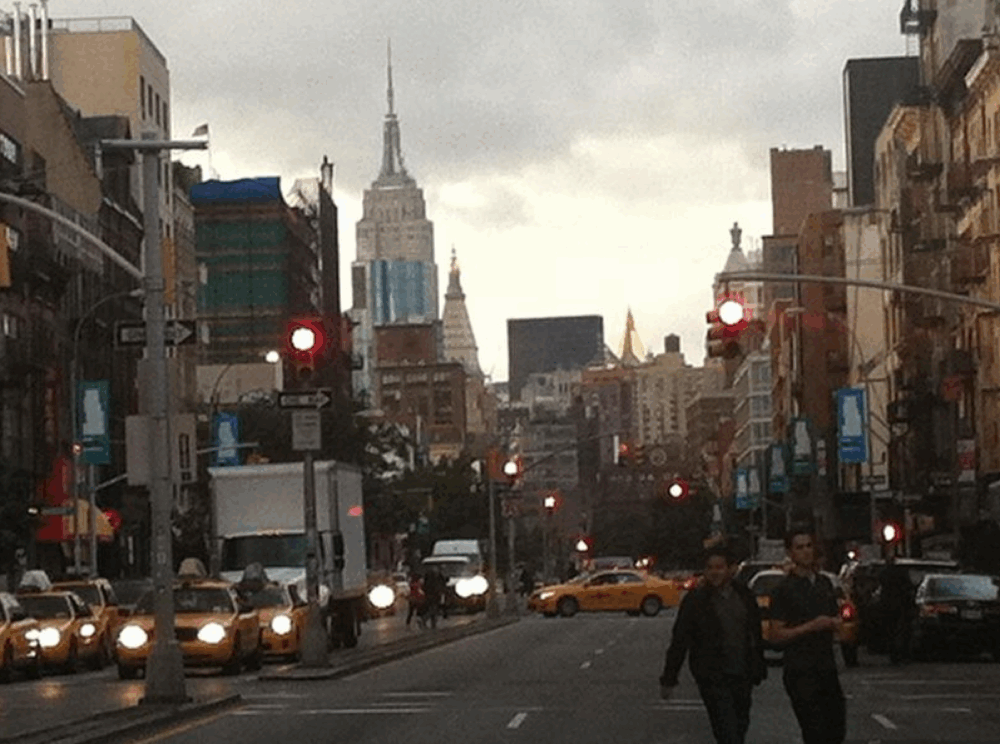
From your perspective, how has NYC changed most, and what still feels the same when you walk its streets now?
It’s cleaner, for sure. Sanitized. The grit, the danger, the raw edges have been smoothed out. Back then, it felt like the whole city was holding its breath, ready to explode. Now, it’s… quieter. But the hustle? That’s still here. The energy of people chasing a dream, trying to make it, that’s still the pulse of this place. And the ghosts of the past are everywhere if you know where to look.
You’ve brushed shoulders with The Clash, Jane Fonda, Chaka Khan — which encounter still lives in your mind most vividly?
Driving north on the 101 in Hollywood with Chaka Khan in her yellow Mercedes convertible with the top down. It’s late summer 1977. Chaka pops a cassette into her dashboard player.
“What’s that?” I ask.
“Bee Gees,” she says. “It’s a demo of the soundtrack to a movie that’s coming out. Robert Stigwood gave it to me this morning. No one’s heard it yet. He wants to know what I think.”
We exit on Barham Blvd. as “Night Fever” comes on. We play it over and over again. It’s my favourite song on the album.. Chaka sings along as only Chaka can.
It doesn’t get any better than this.
If you had a camera back then (and sometimes you did), what’s the one photo you wish you’d taken but didn’t?
A picture of me and David Bowie. One day, I found out he was at the hotel visiting our mutual friend, Laurita, a beautiful Black fashion designer, who lived on the 10th floor- I knocked on her door. He answered. I think they had been having sex but he ushered me in. I was a total fan boy and told him how much he meant to me.
Was there ever a moment where you realised you’d gone from observer to participant — from being around legends to becoming part of the story yourself?
When rock writer Lester Bangs interviewed me for a Village Voice cover story, the week after Nancy’s murder.
https://www.villagevoice.com/a-sid-vicious-story/
I had known Lester since we both lived in Austin. He found out I was living at the hotel and called and asked if he could interview me and a few other residents in my room. I insisted on anonymity for the piece- I was fearful of the staff at the hotel and of who I think actually killed her.
My quote from the piece kind of gave me away, at least to Stanley Bard, who was pissed off I had trashed the hotel.
“Another tenant says: “My first flash was somebody came to the door and she opened it. I told Stanley I didn’t wanna be on the third floor or below, because that’s where most of the junkies are. He said, ‘What’s the matter with the third floor? I have 32 foreign-language students staying down there.’ I guess he figured out that the junkies can walk up and down to the first three floors and not bother the other tenants in the elevators. But I don’t trust the employees either. I’ve seen ’em take money from people checking in at 5 a.m., and say ‘You have to leave at noon,’ and then just pocket the money. A girl on the floor finally put her lock on her door because the bellboys kept coming in and out stealing cocaine and grass, and finally stealing jewellery. She said, ‘That’s it, a joint now and then is cool, I don’t even mind the cocaine, but the jewels…’ Don’t put in the article what floor she’s on. One reason I’m saying that is because of my own paranoia about the employees. I don’t wanna get robbed myself.”
A POSTCARD FROM NED VAN ZANDT: MIDTOWN MANHATTAN, HELL’S KITCHEN
How did your time in prison reshape your understanding of performance, identity, and what it means to be seen?
I tried my best not to be seen, but that didn’t last long. After a week in Del Valle, people started calling me “Hollywood” Also, I was white, and that was my identity. It had its privileges. The guards were mostly white and treated whites better.
How does it feel to take these chaotic, euphoric, and sometimes painful memories and turn them into theatre?
It’s like ripping open old wounds, but in a good way. It’s painful, sure, but it’s also incredibly cathartic. It’s about taking the chaos, the highs, the rock bottoms, and giving them shape, giving them a voice. It’s the only way to make sense of it all, to find the truth in the mess. And when you see it connect with an audience, when they get it, that’s the real magic.
What does redemption mean to you now, and what would you say to your younger self in Room 100 if you could?
Redemption, to me, isn’t some grand Hollywood ending. It’s just showing up, every damn day, and doing the work. It’s about facing the shit you’ve done, owning it, and trying to be better. To my younger self in Room 100? I’d tell him to buckle up. It’s gonna be a hell of a ride. And maybe, just maybe, to listen a little more, to slow down. But he probably wouldn’t have listened anyway.
You’ve lived through wild highs, deep lows, and everything in between. What keeps you grounded today?
Sobriety. I’m 18 years clean and sober. I act when I can, and I work in the recovery field. I’m a managing partner in a sober house on the Upper West Side. https://www.transcend.nyc/
It’s gratifying and challenging.
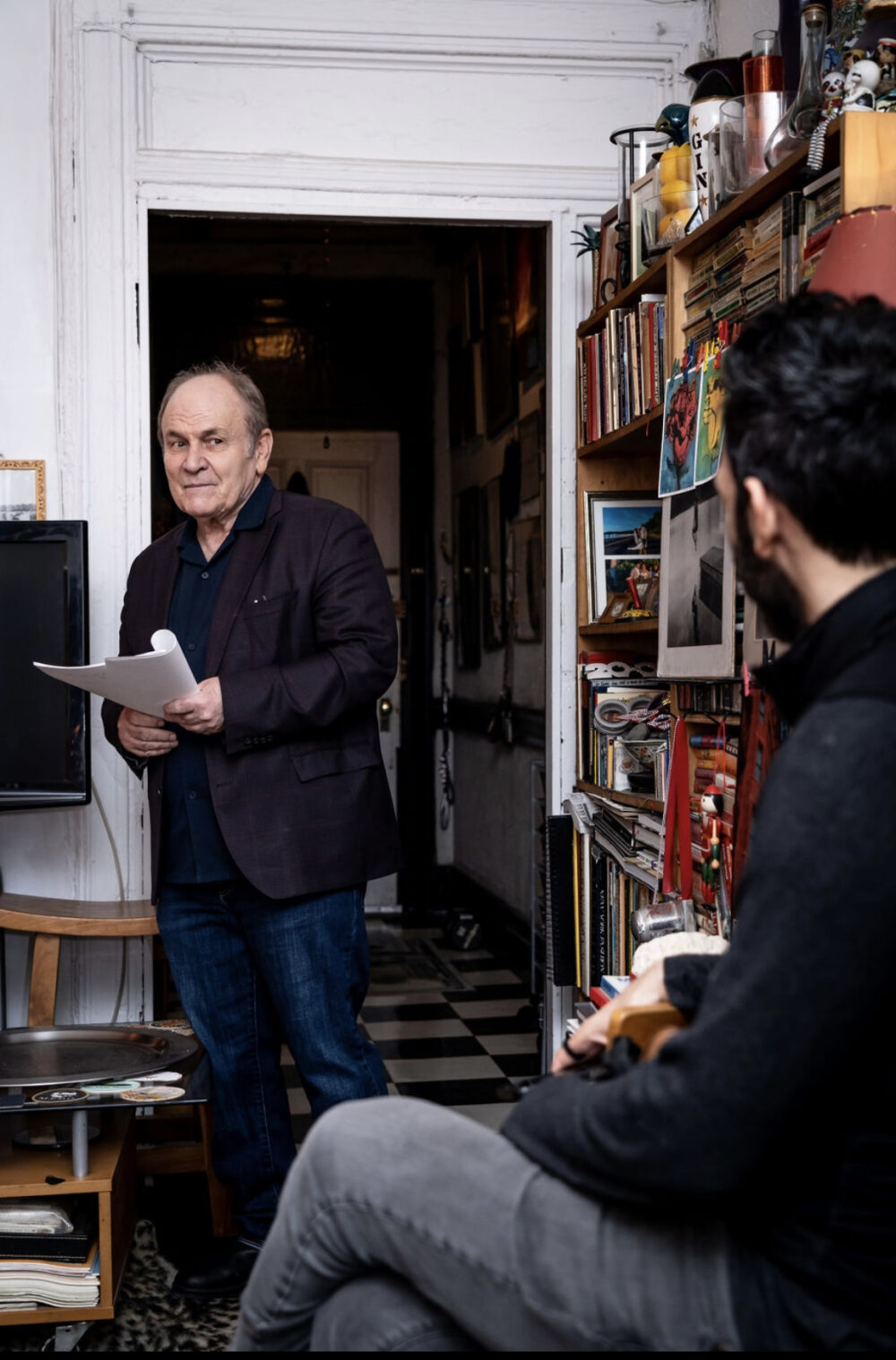
I’m attaching a photo of me and my director, Amir Arison, in the Chelsea Hotel, Feb 2025, rehearsing Del Valle. (Photo by parachutes.com)
A POSTCARD FROM NED VAN ZANDT: MIDTOWN MANHATTAN, HELL’S KITCHEN
If you could send us a photo and a one-line caption that captures your life right now, what would it show — and what would the postcard say?
Still here.
Surviving, thriving, having fun, staying healthy, writing, performing, trying to save America-
And working with recovering addicts like me.
Ned Van Zandt is a Texas-born actor and writer with deep roots in American culture — his family helped found the city of Fort Worth, and he’s a cousin of legendary musician Townes Van Zandt. His career spans stage and screen, with highlights including The Iceman Cometh on Broadway alongside Kevin Spacey, and film roles in MacArthur with Gregory Peck and Coming Home with Jane Fonda. On television, he’s appeared in acclaimed series such as The Blacklist, The Marvellous Mrs. Maisel, Daredevil, Nurse Jackie, and Lost. Most recently, he portrayed Rudy Giuliani in Netflix’s Painkiller and features in FX’s Feud: Capote’s Women.