UTOPIAN CITIES: FROM BRASÍLIA TO NEOM
Imagined Cities: How Architects Tried To Build The Perfect World
Cities are usually messy. They grow like weeds: one street hacked into another, crooked medieval alleys next to brutalist towers, bakeries by nail bars by betting shops. That’s the charm.
But sometimes, someone decides they know better. An architect with a master plan, a government with too much money, or a ruler who fancies himself a pharaoh. And instead of letting the chaos unfold, they draw a city from scratch. Efficient, sustainable, flawless. Or at least, that’s the sales pitch.
The reality? Well, utopias rarely stay utopian once people move in.
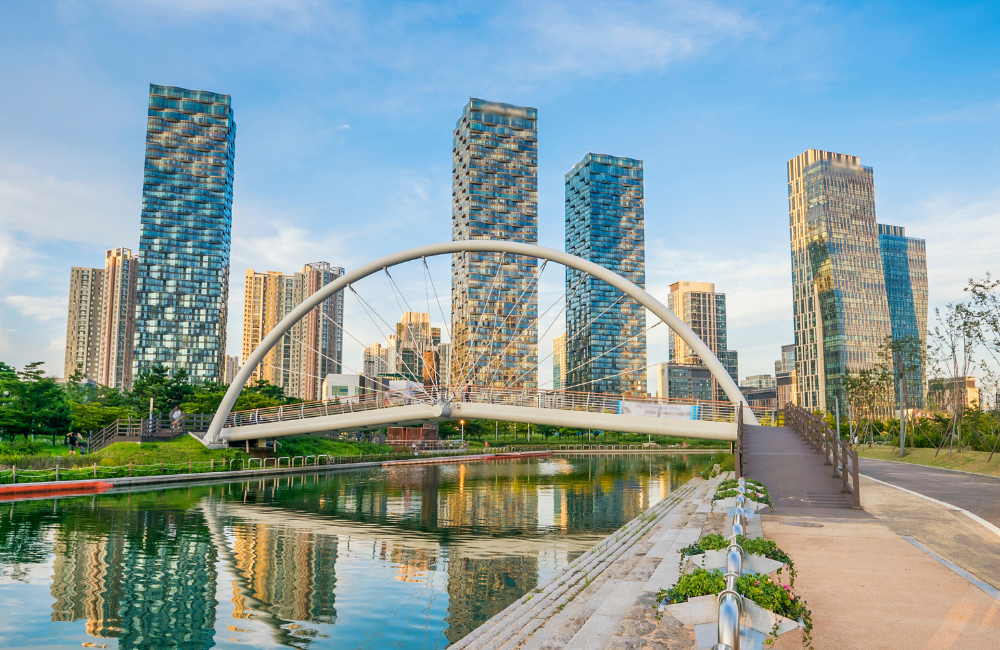
Songdo, South Korea
Songdo was meant to be the world’s first “ubiquitous city”, a phrase that sounds more like a techno-thriller than a place you’d take your kids for ice cream. Built on reclaimed mudflats near Incheon, it has pneumatic rubbish shoots, spotless boulevards, and a Central Park knock-off with imported American ducks.
It works. Everything is clean, fast, and connected. But it’s also a bit… beige. The cafés are there now, and the boutiques, but you still feel like you’re living inside an IKEA showroom. As one local designer put it: “It’s a beautiful shell. We’re still filling it with soul.” Translation: please come, spend money, and for God’s sake, start a jazz bar.
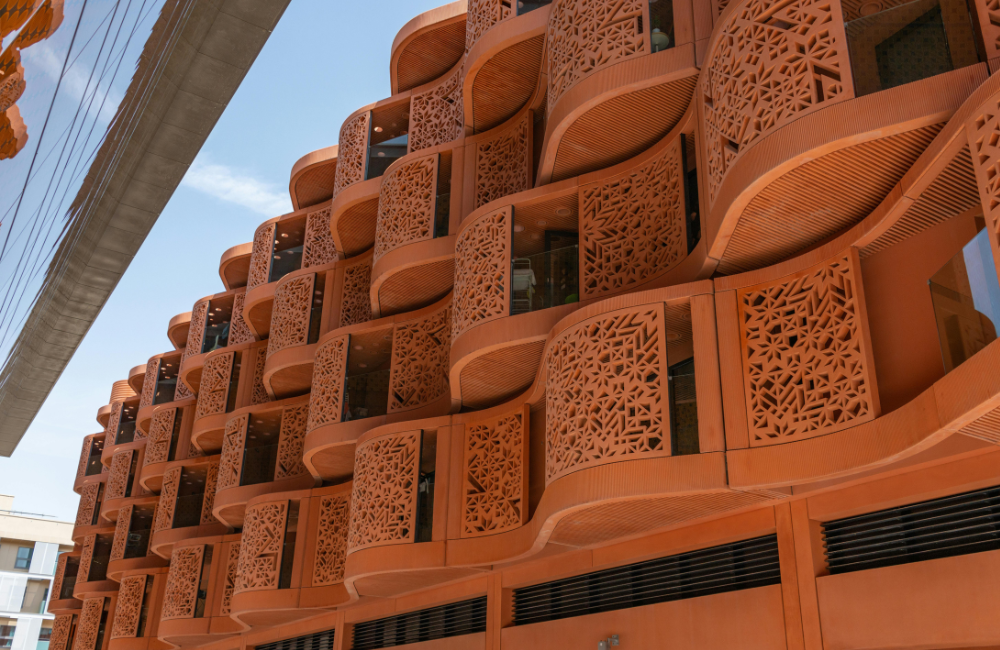
Masdar City
Masdar City, UAE
Back in 2006, Masdar was pitched as the future: a zero-carbon city rising out of the desert like something from Star Wars, only with better air conditioning. Designed by Foster + Partners, it had driverless pods instead of cars and enough solar panels to make Greta Thunberg weep with joy.
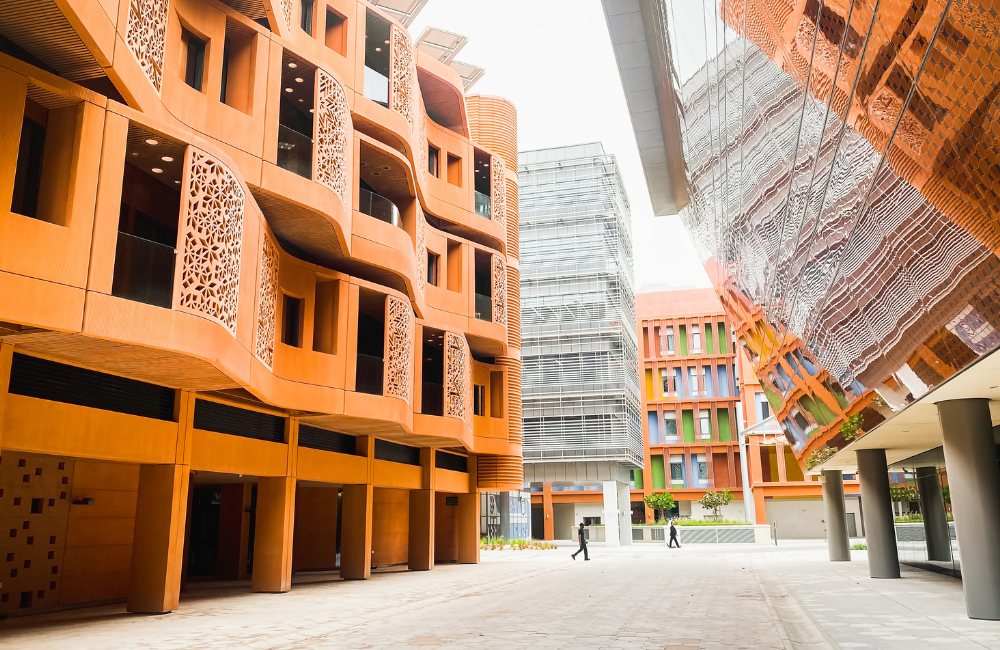
Masdar City
Then came the financial crash, oil prices yo-yoed, and the grand utopia shrank to a slightly smaller, slightly less utopian eco-business park. Today, it’s quiet, pleasant, and academically fascinating, but not exactly the buzzing green metropolis promised on the glossy renders.
That said, it did change the Gulf’s building codes, trained a generation of architects, and proved you can keep a desert office cool without blasting the AC. Not bad. Just not quite the revolution.
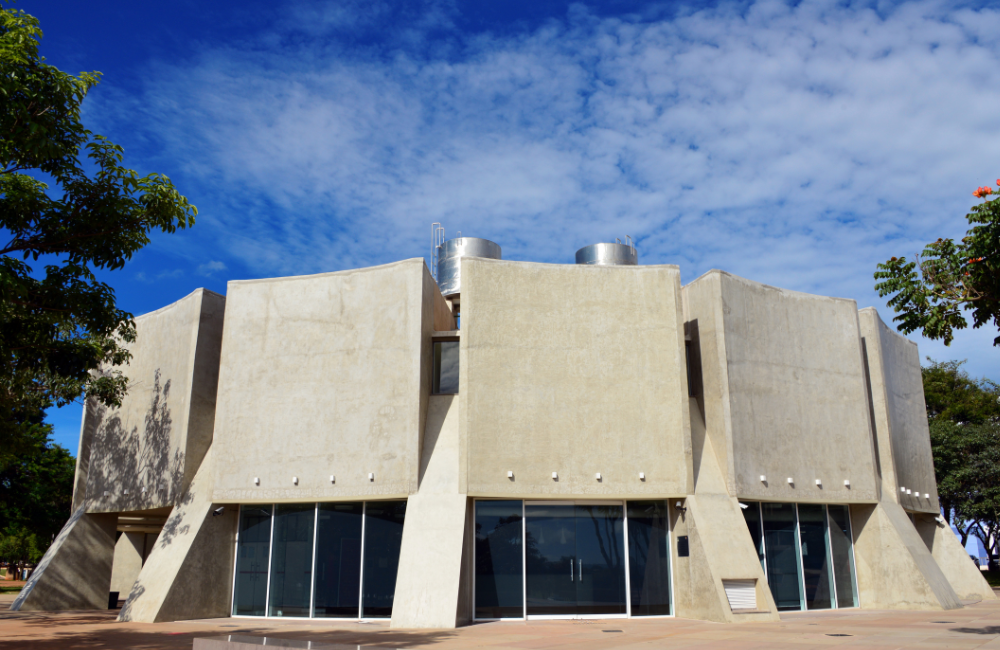
Brasília
Brasília, Brazil
If you want drama, go to Brasília. Built in the 1950s by Oscar Niemeyer and Lúcio Costa, it was Brazil’s shiny new capital, dropped in the middle of nowhere to show off the country’s modernist swagger. The plan looked like an aeroplane from the sky, the buildings looked like spaceships on the ground, and for a while, everyone was terribly impressed.
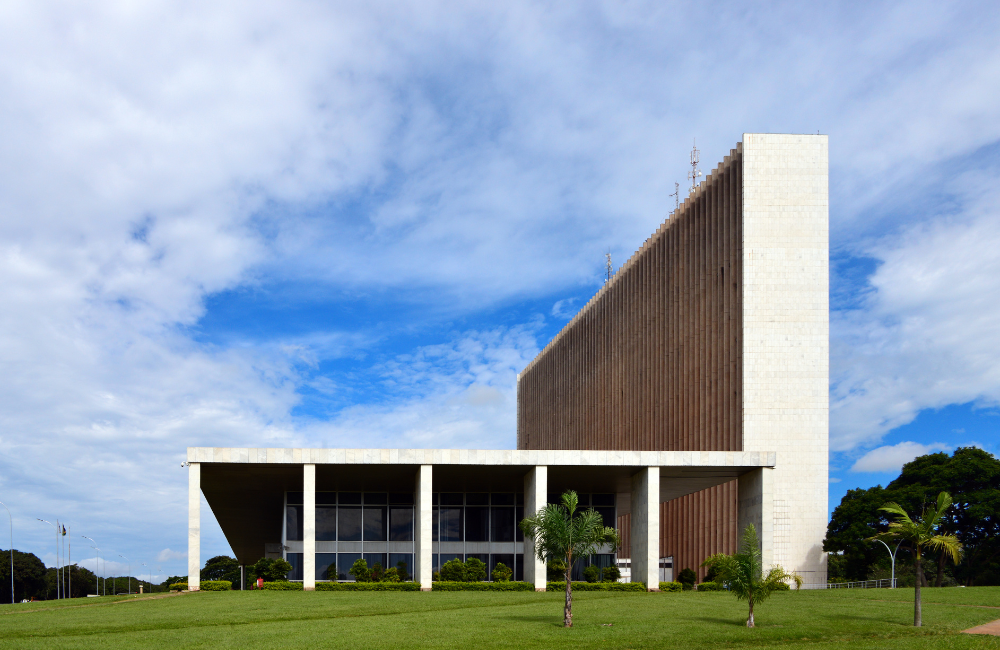
Brasília
But here’s the catch: Brasília is gorgeous if you’re a helicopter. If you’re a human on foot? Not so much. The distances are vast, the traffic never stops, and you feel like you’re trapped in a concrete model village where the scale’s a bit off. It’s a city designed for cars, presidents, and aerial photographers, but not for cafés, corner shops, or chance encounters.
Neom, Saudi Arabia
And now we have Neom, the latest, greatest, maddest attempt at utopia. A city the size of Belgium. A mirrored wall in the desert called The Line. Nine million people stacked neatly in a 170km glass corridor like human Jenga pieces. Cars? Banned. AI? Everywhere. Nature? Apparently thriving, despite the bulldozers.
On paper, it’s the future. On the ground (so far), it’s dust, construction noise, and a lot of CGI. But Saudi Arabia has the money and the determination, so something will rise from the sand. Whether it’s a livable city or the world’s most expensive architectural folly, well, give it twenty years and we’ll check back.
Imagined Cities: How Architects Tried To Build The Perfect World
Lessons in Imagination
So, what do we learn from these utopias? That cities can’t be conjured up like iPhone launches. You can design the streets, the parks, even the rubbish collection system. But you can’t design the smell of bread from a corner bakery, or the sound of a busker on a bridge, or the sudden joy of bumping into a friend in the market.
That’s the stuff that makes a city. And no blueprint, however glossy, can plan for it.
Still, these places matter. They’re bold experiments, sometimes arrogant, often flawed, occasionally inspiring. They remind us that urban life isn’t fixed. We can dream it differently. And in a century where we’ll need to rebuild, rethink, and adapt fast, dreaming may be the most practical thing of all.