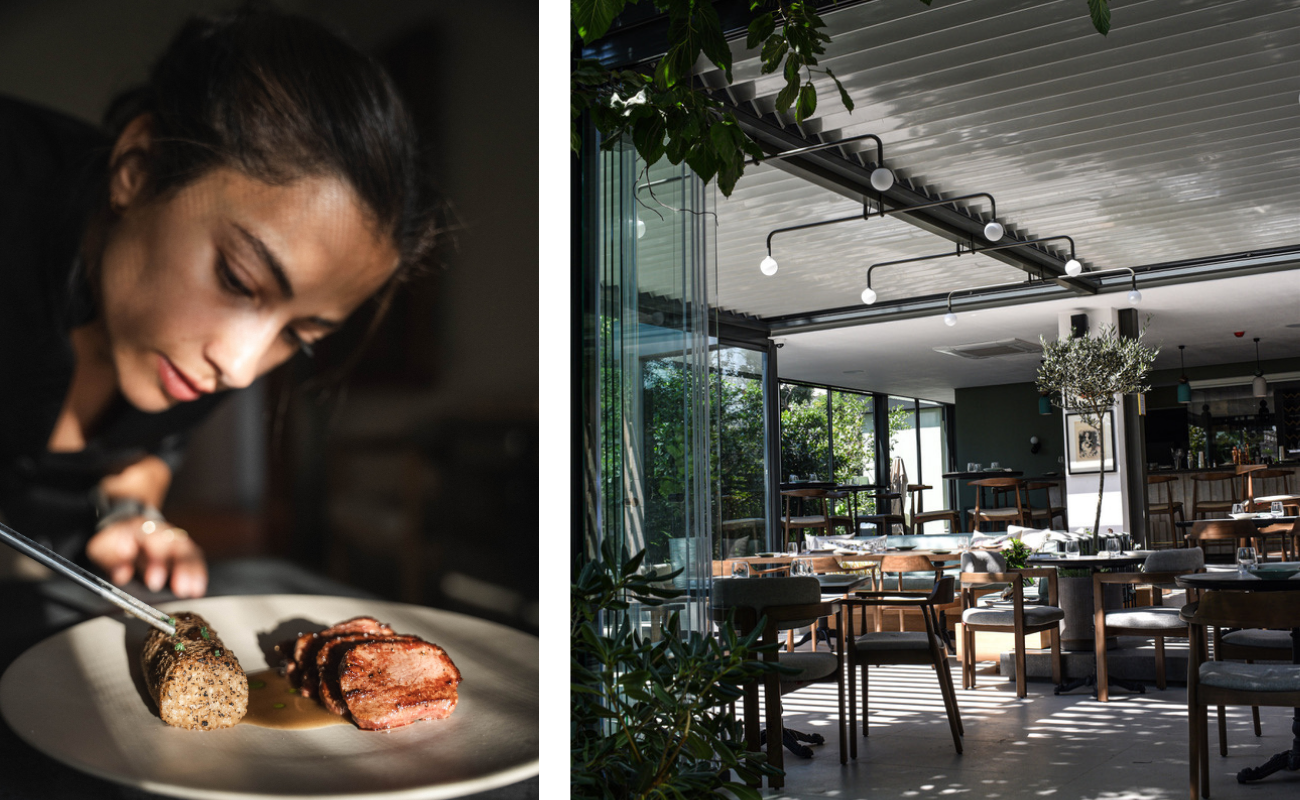
INSIDE DARA DINING: CHEF SARA AQEL ON LEVANTINE CUISINE, AMMAN’S CREATIVE FOOD SCENE AND THE FUTURE OF CULINARY TRAVEL
Chef Sara Aqel On Dara Dining And Amman’S Rising Food Scene
Chef Sara Aqel speaks to Fused about Dara Dining, storytelling through Levantine cuisine and why Amman is quietly becoming one of the Middle East’s most exciting food cities.
In the shifting geography of global gastronomy, certain moments quietly redraw the map. The announcement of the MENA’s 50 Best Restaurants 2026 list did precisely that for Jordan. Amman restaurant Dara Dining entered the ranking at No.30, while its chef and managing partner Sara Aqel was awarded Best Female Chef in the Middle East and North Africa. The dual recognition places both chef and restaurant among the region’s most influential voices in contemporary dining and marks an important moment for a city whose culinary scene has been evolving steadily in recent years. For travellers interested in the intersection of culture, food and place, Amman is beginning to emerge as one of the most compelling cities in the region. Dara Dining sits firmly at the centre of that shift.
A Restaurant Rooted in the Levant
Chef Sara Aqel’s cooking is built on a simple but powerful idea, that cuisine can carry memory. Her menus draw deeply from the culinary traditions of Palestine and the wider Sham region, translating familiar flavours of the Levant into a contemporary Mediterranean style that feels both precise and personal. The Best Female Chef award recognises not only her cooking but her philosophy. Aqel’s approach places hospitality, storytelling and cultural identity at the heart of the dining experience. Sustainability is also central to the restaurant’s identity. Dara Dining works closely with local farmers, artisans and producers, shaping menus around seasonal ingredients and regional supply chains. The recognition from MENA’s 50 Best therefore reflects not only the restaurant itself but the broader community that supports it.“This recognition is incredibly humbling,” Aqel says. “To be acknowledged by MENA’s 50 Best, and to receive the Best Female Chef award, is a reminder of why we do what we do. We are proud to stay true to our voice, nurture our team and celebrate the wins with our local communities.”
Amman’s Quiet Culinary Renaissance
For many travellers arriving in Jordan for the first time, Amman is often seen simply as a gateway city. But that perception overlooks the depth of its food culture. According to Aqel, the city’s identity cannot be reduced to a handful of tourist highlights. “People think Amman is just what the tourist websites talk about,” she says. “But we are street food, traditional fine dining, cultured hospitality and spring markets. We are flavours that change from bakery to bakery and dining experiences that reveal the chefs behind them.” In recent years a new generation of chefs and restaurateurs have begun reshaping the city’s culinary identity. Some reinterpret traditional dishes, others explore modern techniques, but together they reflect a broader movement toward dining experiences defined by intention and authenticity. Dara Dining introduced a distinctive voice within that landscape by combining a personal style of cooking with a carefully considered wine programme and a dining format rooted in Levantine hospitality. The result is a restaurant that bridges heritage and modernity, honouring the region’s culinary traditions while speaking confidently to an international audience.
Understanding the Flavours of the Sham Region
For visitors unfamiliar with the cuisine of the Levant, Aqel suggests that the essence of the region can be understood through a simple combination.“Toasted bread and olive oil with wild za’atar.” It is a flavour that captures the landscape and the culinary culture in a single gesture. At Dara Dining that philosophy extends into dishes that connect seasonal ingredients with cultural symbolism. One example is fish wrapped in vine leaf, a dish that reflects the relationship between food, agriculture and tradition in the region. The vine itself becomes a metaphor, grapes used in wine, leaves used in cooking, both tied to the rhythms of the land.

Redefining Luxury in Middle Eastern Dining
Across the Middle East, contemporary fine dining is increasingly defined less by spectacle and more by storytelling. For Aqel, luxury is not measured by rarity or expense but by attention and craft. “Luxury is not what’s more expensive,” she says. “It’s what’s crafted with attention and care and intention to perfect.” That philosophy extends to Dara Dining’s relationships with local producers. Menus are shaped around what farmers and artisans can provide, reinforcing the idea that regional cuisine should grow directly from the landscape that sustains it.
Dara Dining as a Cultural Marker
If Dara were placed on a cultural map of Amman, Aqel believes it would represent something larger than a restaurant. A bridge between the city’s past and its future. A space where the traditions of the Levant are translated into a modern culinary language without losing their emotional resonance. It is a place where the idea of the home table is elevated rather than replaced, where familiar ingredients are refined rather than romanticised, and where Jordanian produce is treated with quiet respect. In that sense Dara Dining is not simply a restaurant but a cultural statement about how regional cuisine can evolve while remaining rooted in identity.

A New Era for Middle Eastern Culinary Identity
The recognition from MENA’s 50 Best Restaurants reflects a broader shift taking place across the region. A new generation of Middle Eastern chefs is increasingly confident in defining its own narrative. Rather than relying on external interpretations of the region’s cuisine, these chefs are presenting their own stories with clarity and authority. Aqel believes that influence is often underestimated. “Chefs now have global positioning and following,” she says. “How they represent their culture is influential to what they reflect.” That sense of responsibility is visible in the way Dara Dining approaches both food and hospitality.
Why Amman Is Becoming a Destination for Culinary Travel
For travellers interested in creative culture, design and food, Amman is emerging as a destination worth paying closer attention to. The city’s energy is perhaps most visible downtown, where street food vendors, small shops and dessert cafés form a lively urban rhythm that reflects the diversity of the capital itself. Restaurants such as Dara Dining offer another dimension to that story, presenting the flavours of the Levant through a contemporary lens while remaining deeply connected to place. Aqel hopes that visitors who travel to Amman to experience Dara leave with a broader understanding of Jordanian culture and creativity. Looking ahead, she imagines a future where the city becomes known for its culinary ambition as much as its historical landmarks.
Her vision is simple.
“That people will say, we should fly to Amman for dinner.”
Where to Eat in Amman: Why Dara Dining Should Be on Your List
For travellers planning where to eat in Amman, Dara Dining has quickly become one of the most interesting reservations in the city. Located in the Jordanian capital, the chef-led restaurant offers a contemporary interpretation of Levantine cuisine that feels deeply connected to the region’s culinary traditions while remaining modern in its approach. Unlike many destination restaurants that rely heavily on spectacle, Dara Dining focuses on ingredients, memory and storytelling. Seasonal produce from local farmers shapes the menu, while dishes reinterpret familiar flavours of Palestine and the wider Sham region with careful precision.
For visitors exploring Amman’s evolving food scene, the restaurant offers something increasingly rare, a dining experience that feels both intimate and culturally rooted. As the city’s creative and culinary communities continue to grow, restaurants like Dara Dining are helping position Amman as one of the Middle East’s most exciting emerging food destinations.
David O’Coy