Amsterdam in a New Light
Amsterdam is a whimsical beast; celebrating its 750th birthday during 2025, the Dutch capital is defined by its iconic gabled houses, classical art, labyrinth of canals and tooting bicycles, as much as for its red light district and cannabis culture. But on my most recent visit, I witnessed it in a new light. Across the city, new museums, creative communities and cultural experiments are reshaping how Amsterdam sees itself and how the world sees Amsterdam.
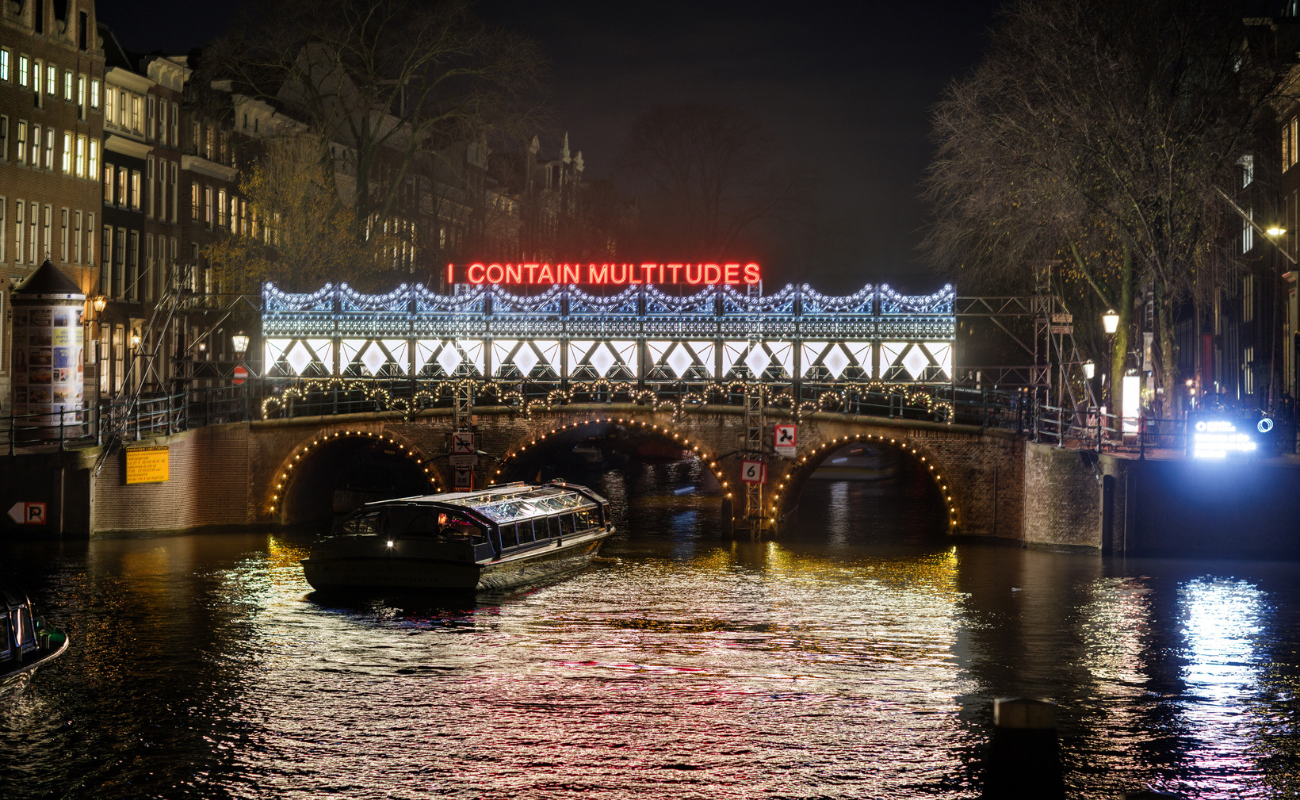
Above image: Image courtesy of Janus van den Eijnden
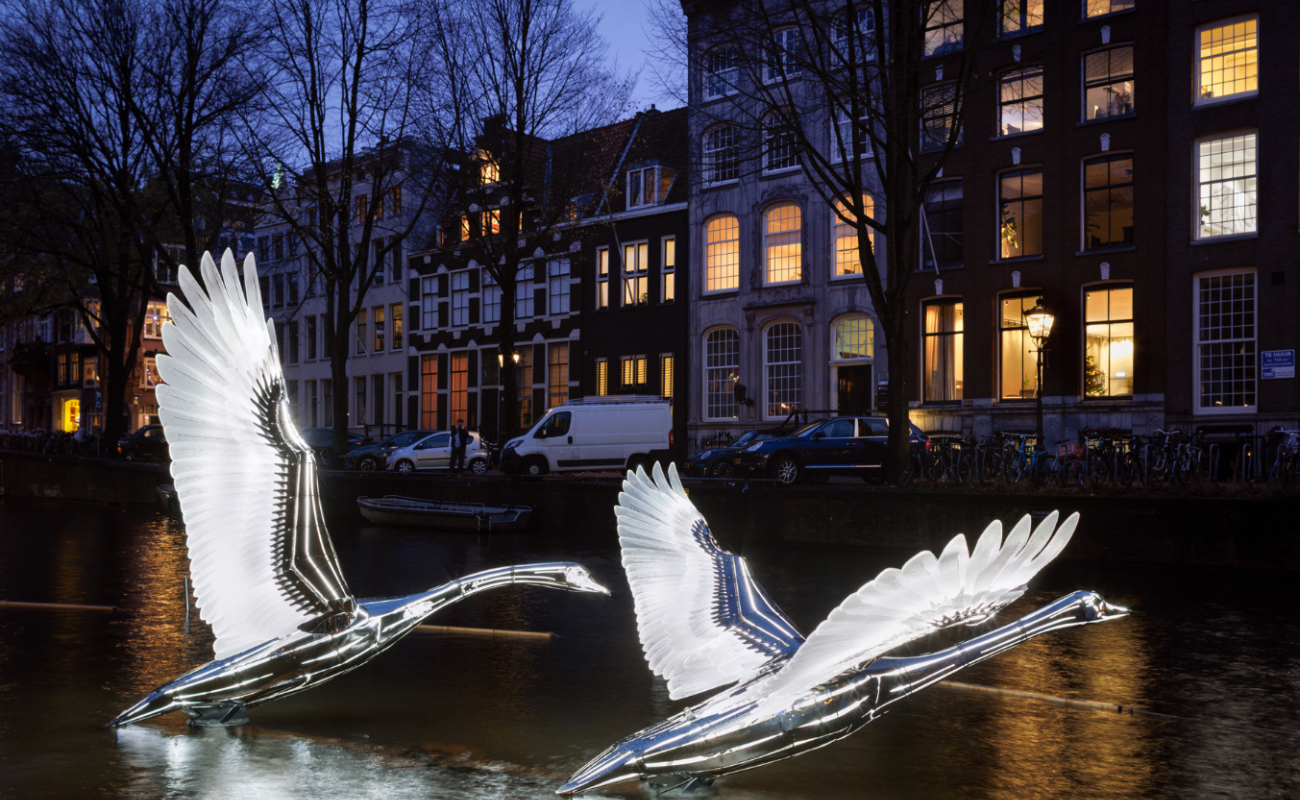
My first night in the city coincided with the opening of the 14th edition of Amsterdam Light Festival (until 18.1.26). After a champagne reception on solid ground, a group of wobbly visitors boarded a small canal boat and glided by the showcase, which had the theme of ‘Legacy’. If you’ve never witnessed this, it is less Regent Street, more Luciafest Kayak Parade in Denmark. Not at all festive, the broad theme has been interpreted by 20 international artists who have created an immersive show which can be witnessed across bridges, on warehouse walls and along the canal paths.
As junior curator Christopher Grabski explained, light is merely the medium; the real question lies in what it reveals. One of the festival’s most compelling works, the interactive Rhapsōidia is an interactive installation that turns visitors’ own hopes and messages into a living tapestry of light and sound. Nearby, Raven Kwok’s Knotted, shown at the Wereldmuseum, used responsive digital “ropes” to visualise fleeting connections between strangers.
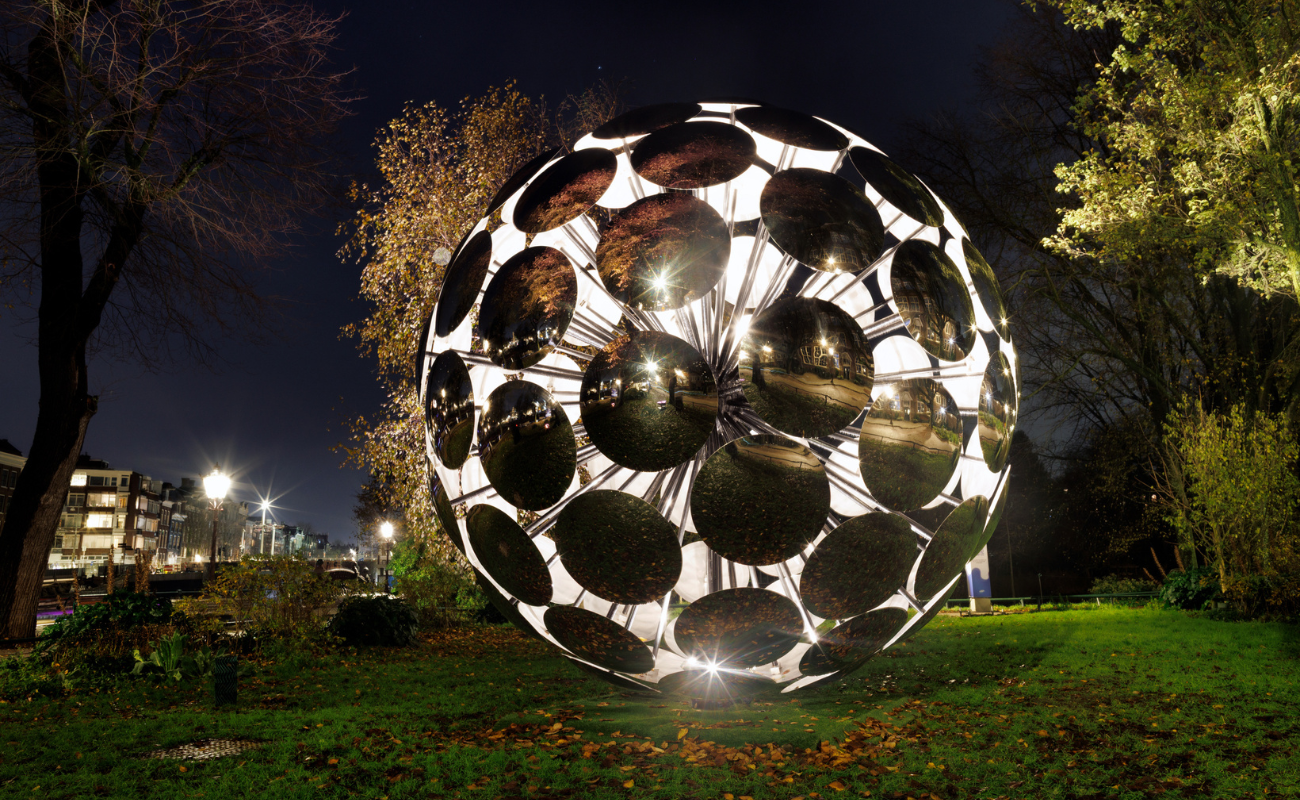
Above image: Image courtesy of Janus van den Eijnden
On board, I spoke with artists Jess Mae and Ali Tanucer, the collaborators behind Rhapsōidia. Developed by a multidisciplinary team from M Moser Associates, it is their most public engagement in Amsterdam’s winter arts calendar to date and blurs architecture, communication and participatory art. Mae described light as a way of exposing emotional residue; what cities remember and what they suppress. Tanucer noted that Amsterdam’s water, architecture and passers-by complete each work. Legacy, here, is not fixed; rather, it is negotiated daily.
Culture and wellbeing are hot topics across the city. In recent years, the Van Gogh Museum has hosted yoga and mindfulness sessions among the paintings – an initiative explicitly linked to mental health that would have once seemed incongruous. The idea of practising in the presence of works by an artist who struggled so publicly and painfully with his own mental health reframes the museum not as a shrine, but as a living space. It signals a wider shift in Amsterdam’s cultural thinking: art is no longer just something to be preserved behind glass, but something expected to engage with the realities of contemporary life.
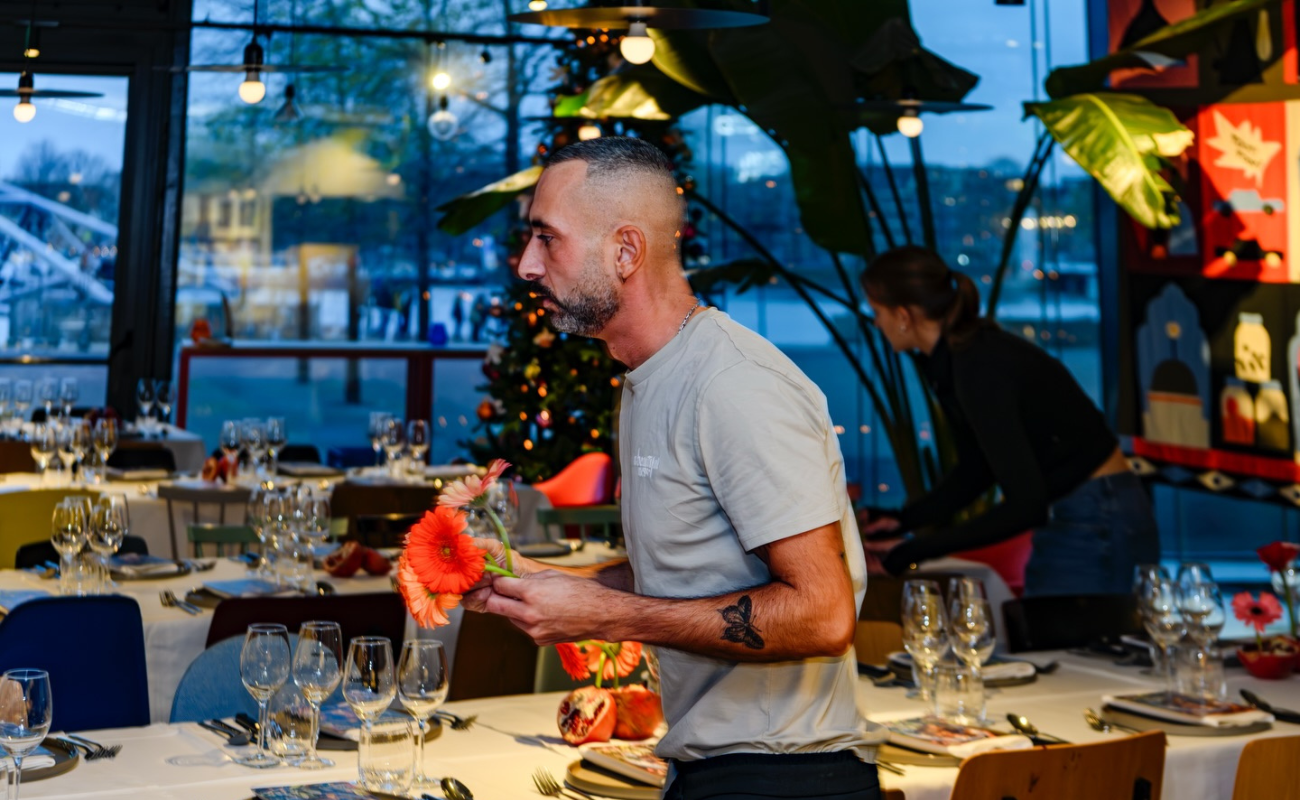
The same impulse runs through the city’s food scene, where Amsterdam’s long-standing flirtation with the avant-garde has hardened into confidence. New restaurants are emerging that experiment boldly with global flavours. Lunch at A Beautiful Mess, run by Refugee Company, consisted of shared plates of muhammara, falafel and charred flatbreads passed around a long communal table. You can taste that evolution across the city, as Surinamese and Indonesian kitchens, alongside Caribbean pop-ups, take over former warehouses, bringing with them a new generation of talent.
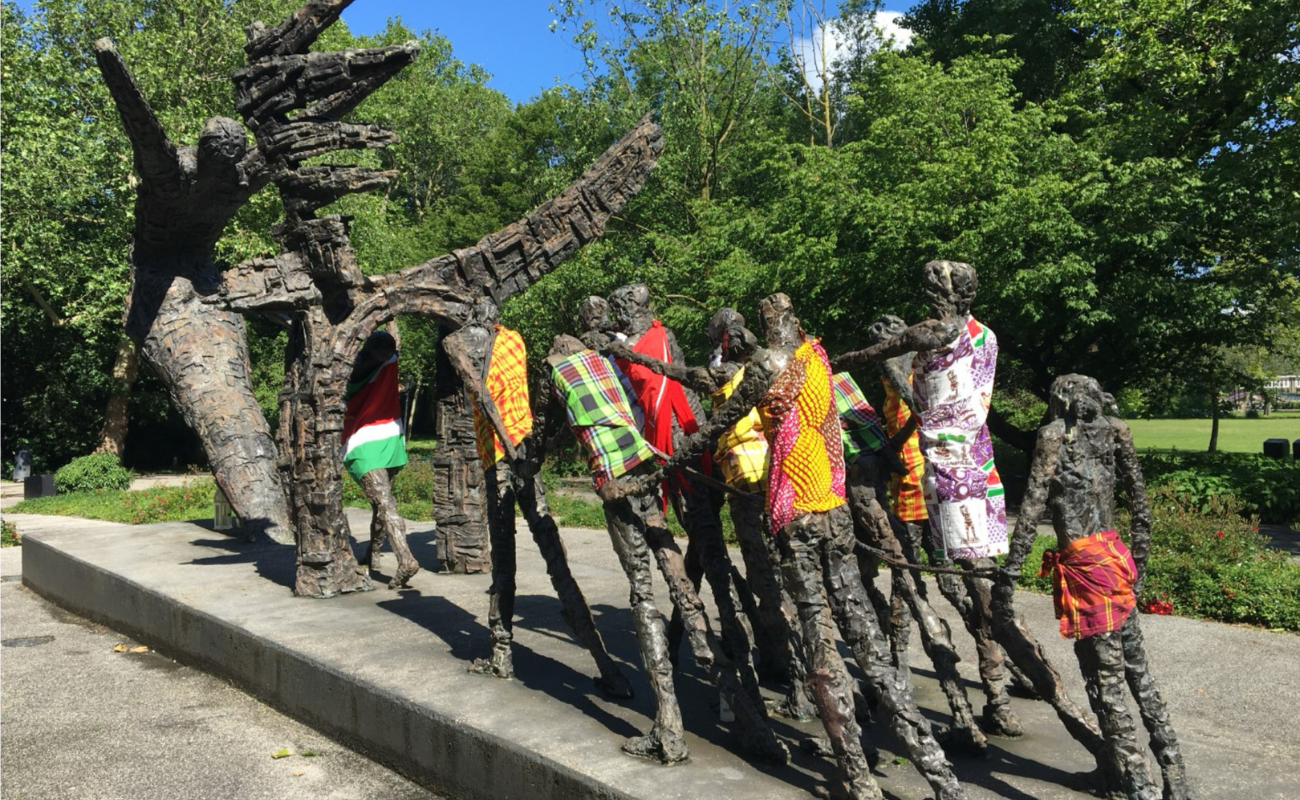
Next was a visit to the newly opened Suriname Museum, one of the most consequential cultural additions Amsterdam has seen in recent years. Housed in a four-storey canal house, the museum addresses the Netherlands’ long and complex relationship with Suriname. Archival materials detailing slavery and colonial administration sit alongside contemporary works by Surinamese and diaspora artists examining migration, labour, spirituality and belonging. The curatorial approach is rigorous and unsentimental. This is not a peripheral history but a central one, presented with clarity and intent. Building on the ambitions of the earlier Surinaams Historisch Museum, this was a place of public education, cultural affirmation and historical reckoning.
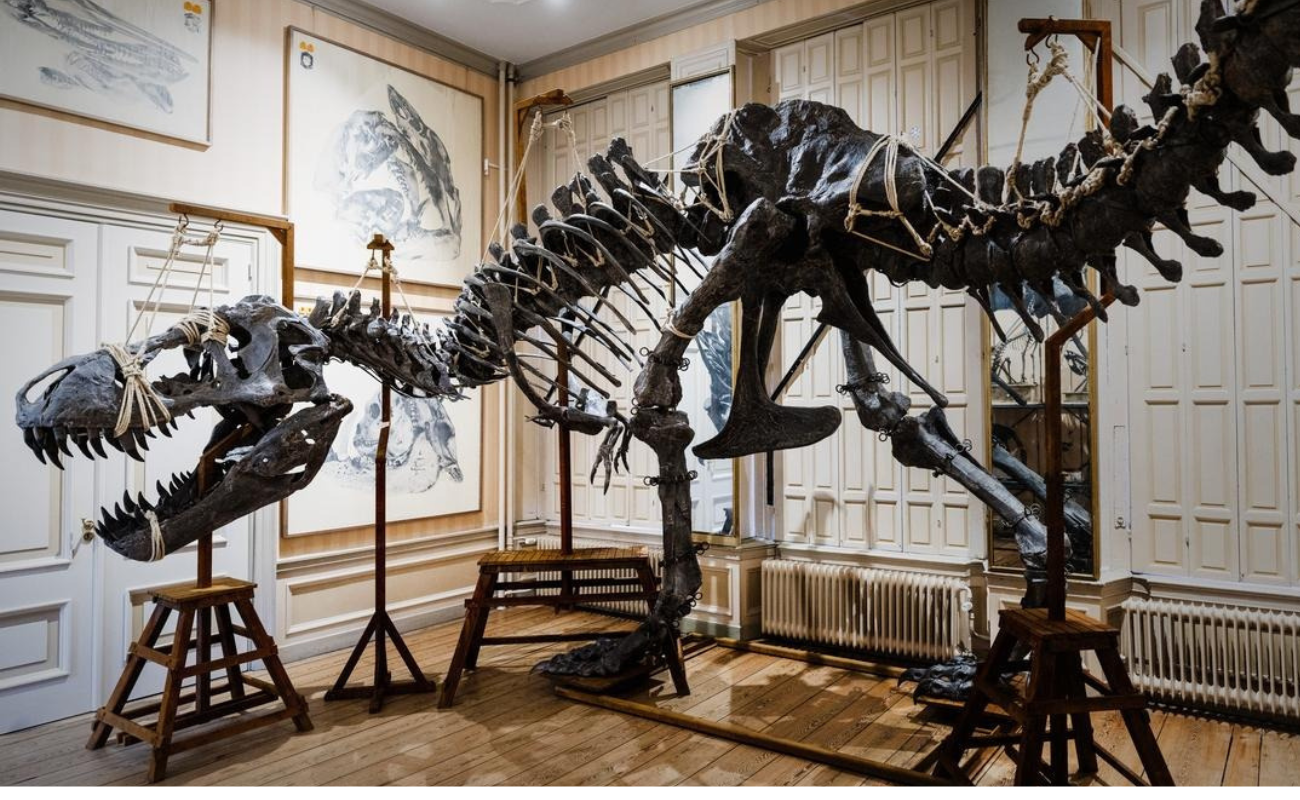
From there, I crossed the city to one of its more unexpected offerings: the Art Zoo Museum, which is neither strictly a zoo nor a museum! Set within a 17th-century canal house, it is the work of artists Ferry van Tongeren and Jaap Sinke, known collectively as Darwin, Sinke & Van Tongeren. Their practice repositions taxidermy as a contemporary art form, closer to sculpture and stagecraft than natural history. The result is an absurd nod to theatre, but done in a very orchestrated manner. Birds appear suspended mid-flight, reptiles coil with implied movement, and large-scale animals are staged with a compositional precision reminiscent of Dutch Golden Age painting. The effect is contemplative rather than sensational, raising questions about beauty, mortality and the ethics of display without overt moralising.
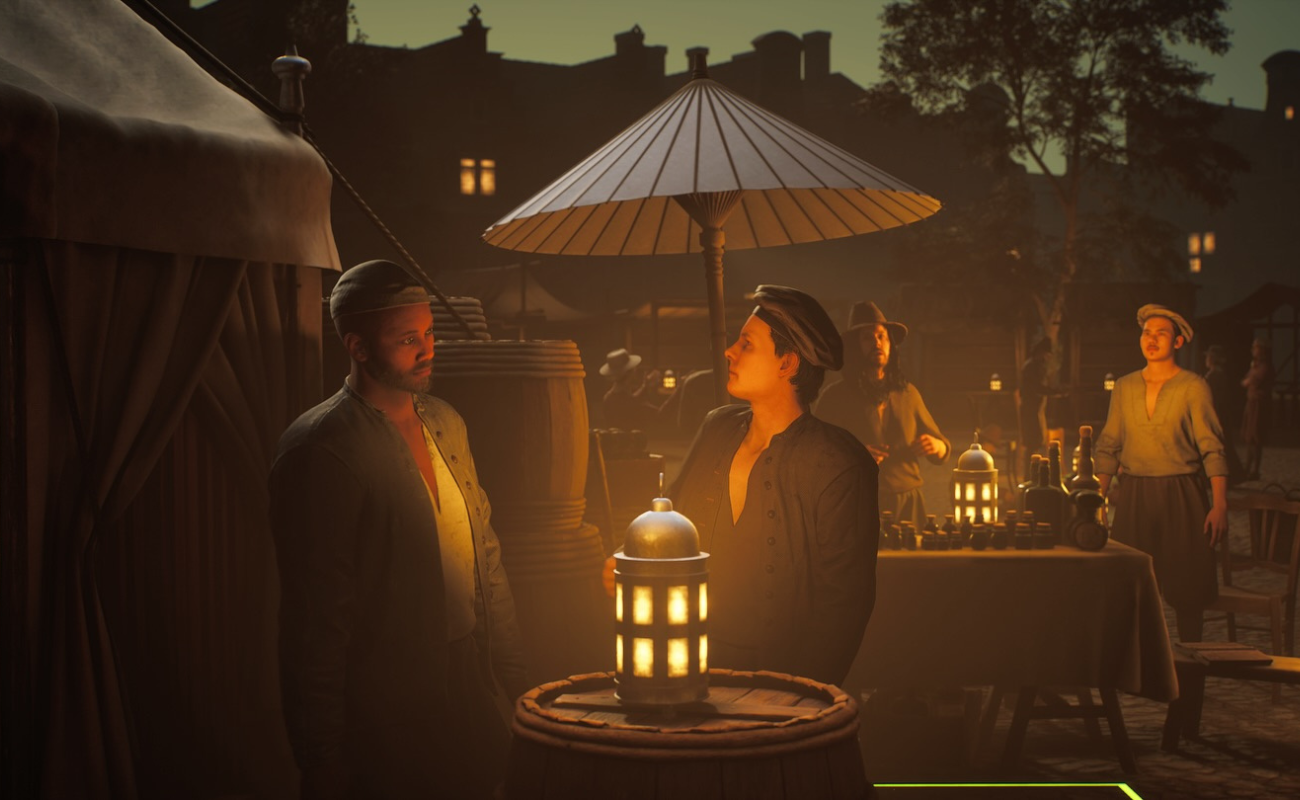
My final stop was ENTR, a forthcoming cultural and educational VR museum scheduled to open in 2026. Its pilot project, The Botermarkt 1675, reconstructs a 17th-century market scene on the site of present-day Rembrandtplein, where you live via the headset. Rather than offering a fixed narrative, the experience allows visitors to wander, observe and interact with the realistic AI figures, making history experiential rather than didactic – with the addition of being lots of fun for the whole family.
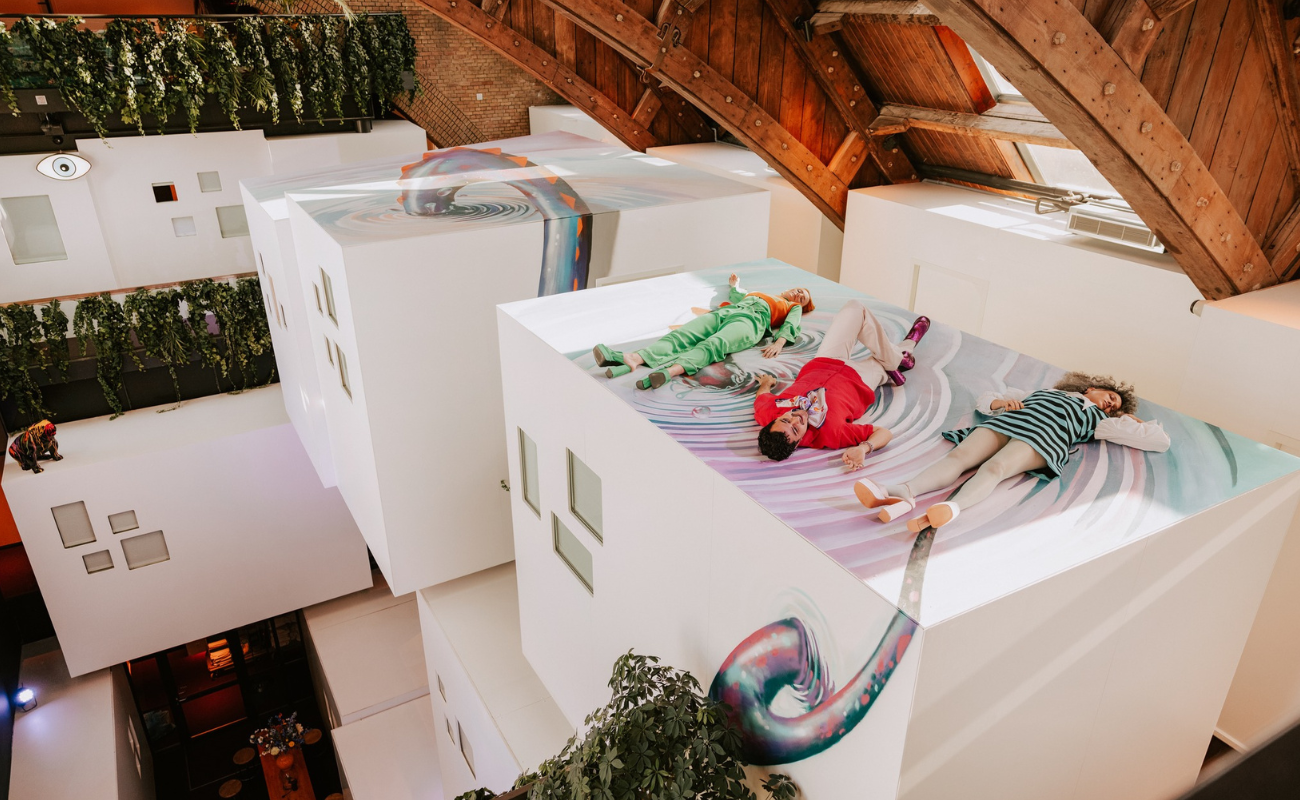
From the former industrial spaces in Noord, Nieuw-West and Oost which now house experimental studios, independent shops, community-led initiatives and trendy hotels, a New Amsterdam is on the rise and stubbornly resisting homogeneity. This is a city actively negotiating the pressures of over-tourism and growth, seeking to protect liveability while remaining open, curious and globally connected. The balance is delicate, but the intention is clear: culture here is no longer something to simply visit, but something to participate in.
At 750, the city feels neither nostalgic nor cocky; it is willing to examine its past, experiment with its present and imagine its future with care. Seen in this light, Amsterdam remains a place not just to return to, but to reconsider.
Sara travelled via KLM from Heathrow and stayed at Bunk Hotel (pictured above) and Hotel Arena.
Words by Sara Darling