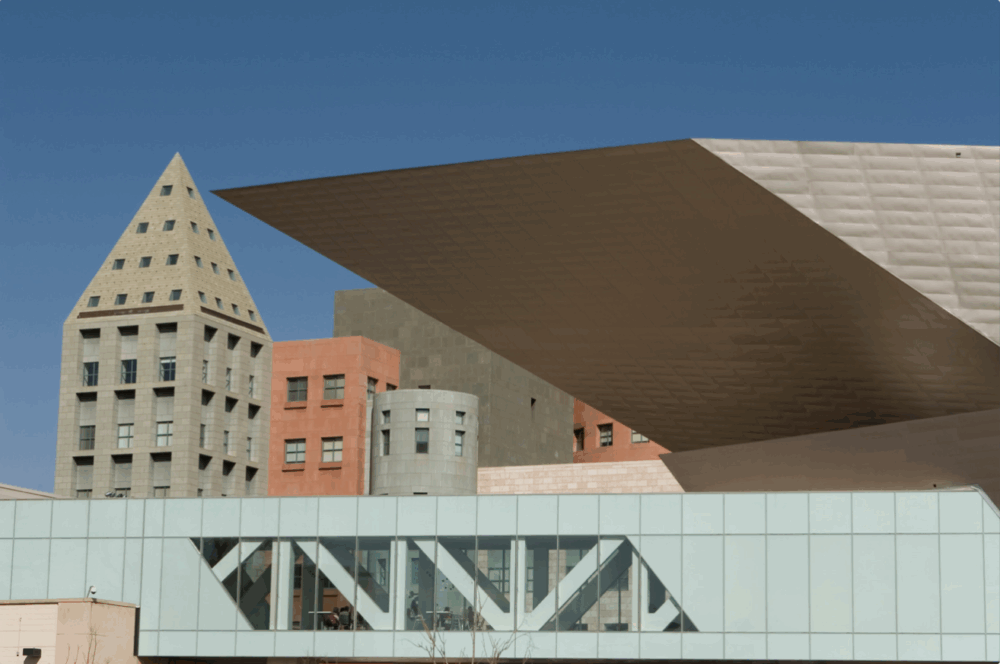
DENVER: A CITY IN CREATIVE FLUX
Denver likes to call itself the Mile High City, which sounds like something a marketing team scribbled down after a few too many craft IPAs. It’s technically true, the city sits exactly 5,280 feet above sea level, but altitude is only half the story. The other half is a city that has shed its cowboy clichés to become a fully-fledged creative playground: the kind of place where you trip over a mural on the way to a sour beer, then end up debating abstract expressionism in a converted warehouse.
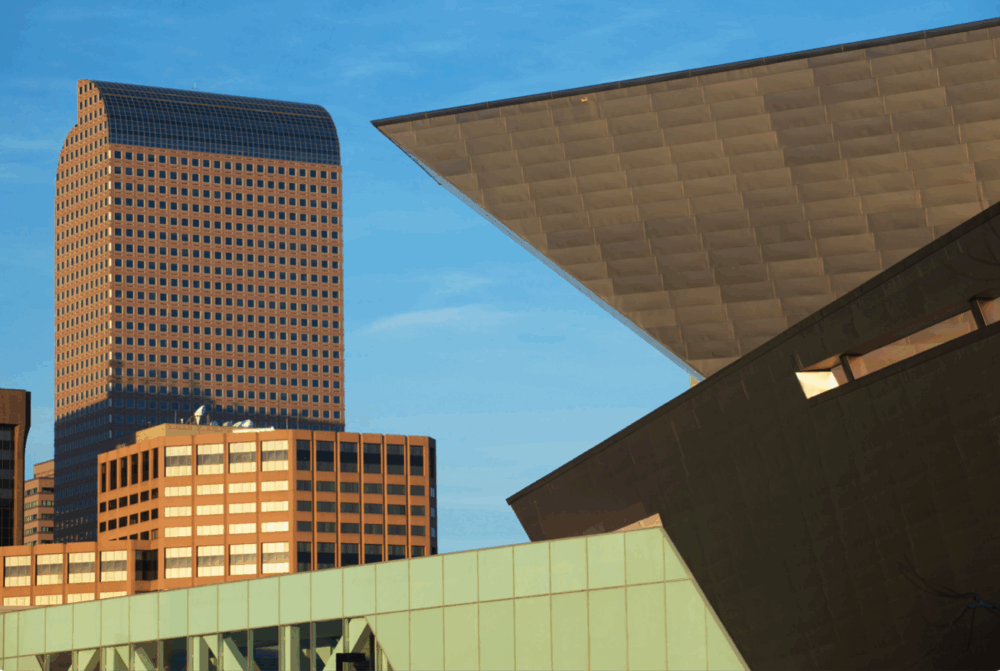
As artist and Denver native Andrew Woodward told me on returning after 13 years in Boston: “Denver is historically a boom-bust town. I enjoy seeking out views that convey the city’s history mingled with modern development.” Once dismissed as a dusty stop-off en route to Aspen, Denver is now a destination in its own right.
RiNo: Where the Walls Talk
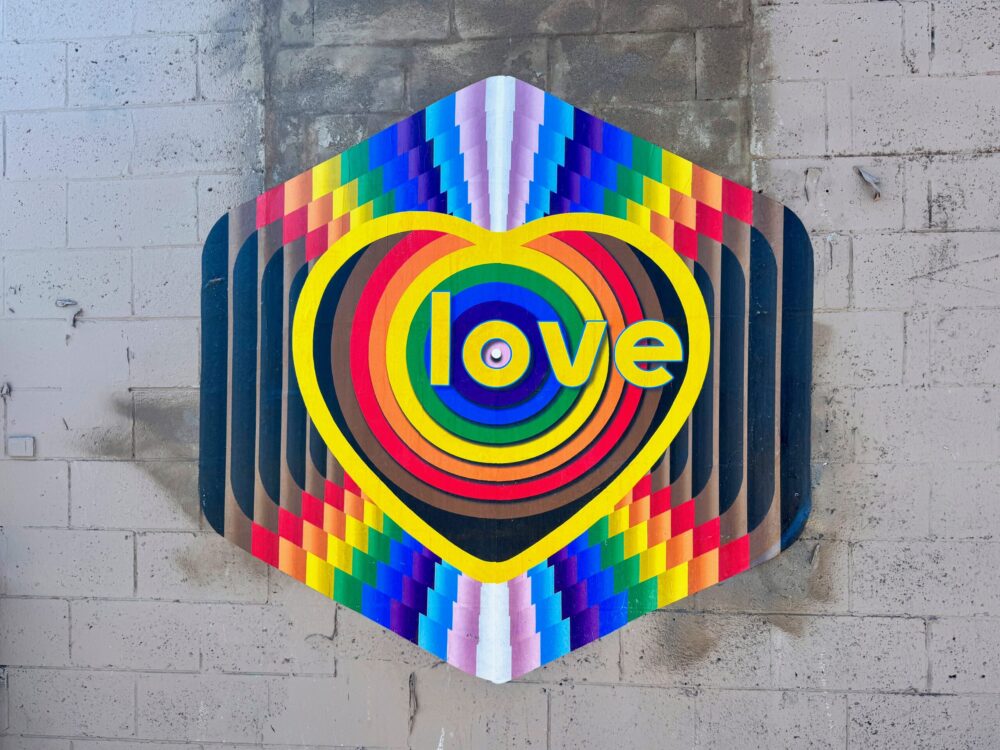
If you want to understand Denver’s pulse, start in the River North Art District (RiNo). Once a grid of auto shops and warehouses, it’s now a living mural with 150 walls painted that includes everything from Shepard Fairey’s iconography to Indigenous storytelling and Jeremy Burns’ trick-of-the-eye Larimer Boy/Girl.
Between murals, the breweries hum. Our Mutual Friend keeps things small and seasonal. Ratio Beerworks is the beer world’s punk-rock stage. Bierstadt Lagerhaus goes big with precise German lagers poured with reverence. And then there’s Danico Brewing, a family-run spot stumbled upon during a layover; a place where you get chatting to locals over a pickle beer (an acquired taste, even here).
At Denver Central Market, RiNo’s creative streak spills into food. Eleven vendors serve everything from poke bowls to handmade chocolates in a space that feels like the city’s communal dining room.
Museums with Attitude
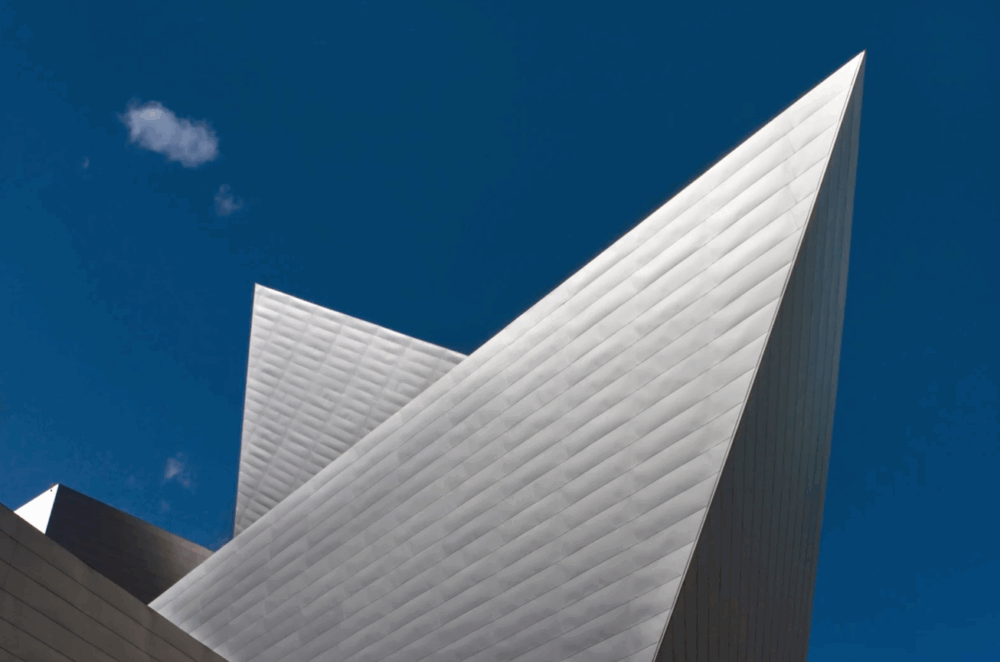
The Denver Art Museum (DAM) is the anchor, its Gio Ponti fortress and Daniel Libeskind annexe symbols of the city’s confidence. Inside, Native American treasures, Impressionist standouts, and rotating blockbusters make it a cultural heavyweight between Chicago and the West Coast.
Next door, the Clyfford Still Museum feels almost monastic. Ninety-four per cent of the abstract expressionist’s lifetime output rests here, sealed inside a minimalist concrete shell designed by Brad Cloepfil. The building itself is part of the experience: poured concrete walls, natural light filtering through vertical slits, and a deliberate quiet that encourages you to slow down.
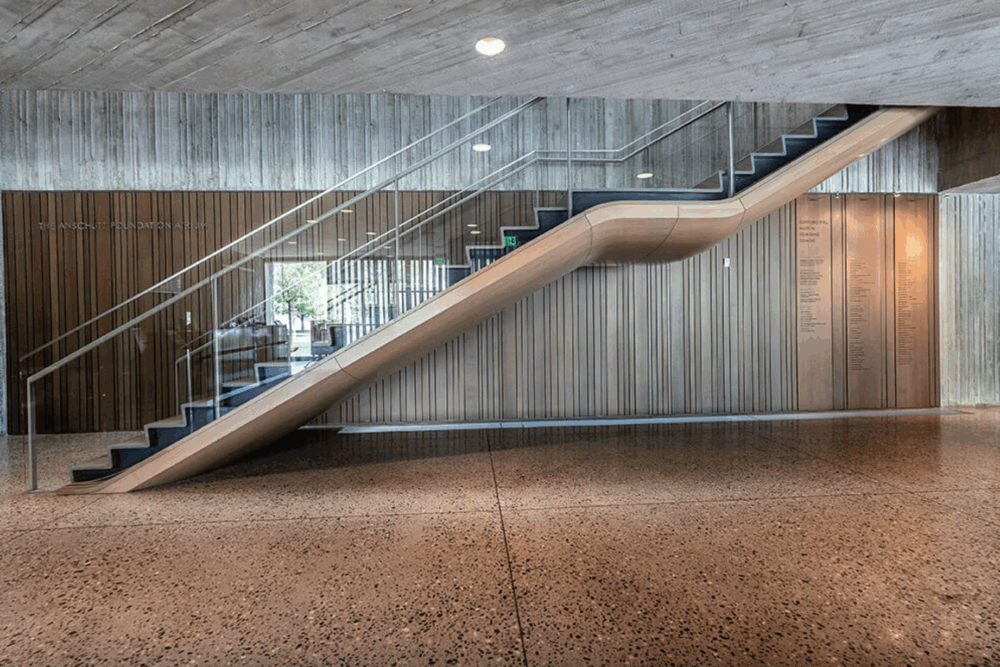
Still was famously reclusive, holding back most of his work from collectors and museums during his lifetime. The result is that this space, more than any other, reveals the full arc of an artist who shaped abstract expressionism alongside Pollock and Rothko but resisted the spotlight. The chronological galleries trace his evolution, from early figurative sketches to vast, jagged fields of colour that feel almost geological.
It’s an insider’s gem, the kind of place where you find yourself whispering, even when there’s no need. Benches are deliberately placed to encourage reflection, and the didactic panels are conversational rather than academic, inviting visitors to sit, pause, and think. In a city of murals and maximalist art experiences, the Still Museum offers something rarer: an uncluttered, contemplative space where you can feel the weight of one artist’s vision in near totality.
“Artists collect like magnets,” says Woodward. “There is definitely a growing collective in my life that will hopefully continue to expand in the city. We all have a responsibility to create the environment we want to live in.”
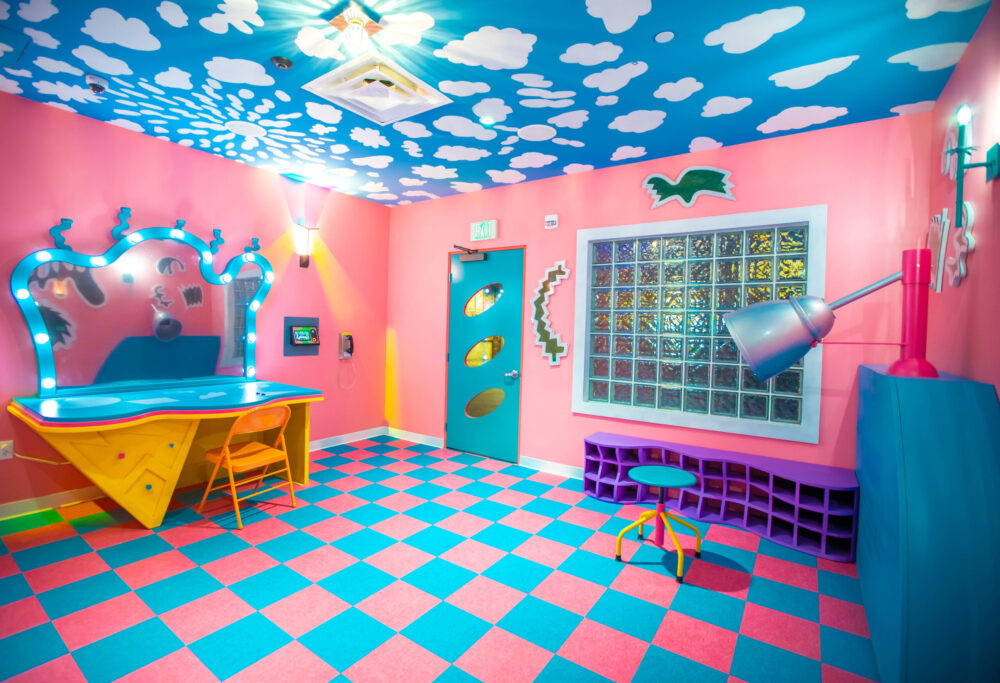
Nowhere is that a truer statement than at Meow Wolf: Convergence Station, a 90,000-square-foot neon labyrinth built by 300 artists. Imagine a film set, nightclub, and contemporary art museum colliding at high speed. Hidden passageways, alien cathedrals, and surreal bodega set-pieces make it chaotic, youthful and distinctly Denver.
Red Rocks: Sandstone and Soundscapes
Some venues are legendary; Red Rocks Amphitheatre is geological proof that nature doubles as an architect. Colossal sandstone monoliths rise like cathedral walls, carving out a natural arena with acoustics so pure you can hear a whisper, or a tambourine, from the back row.
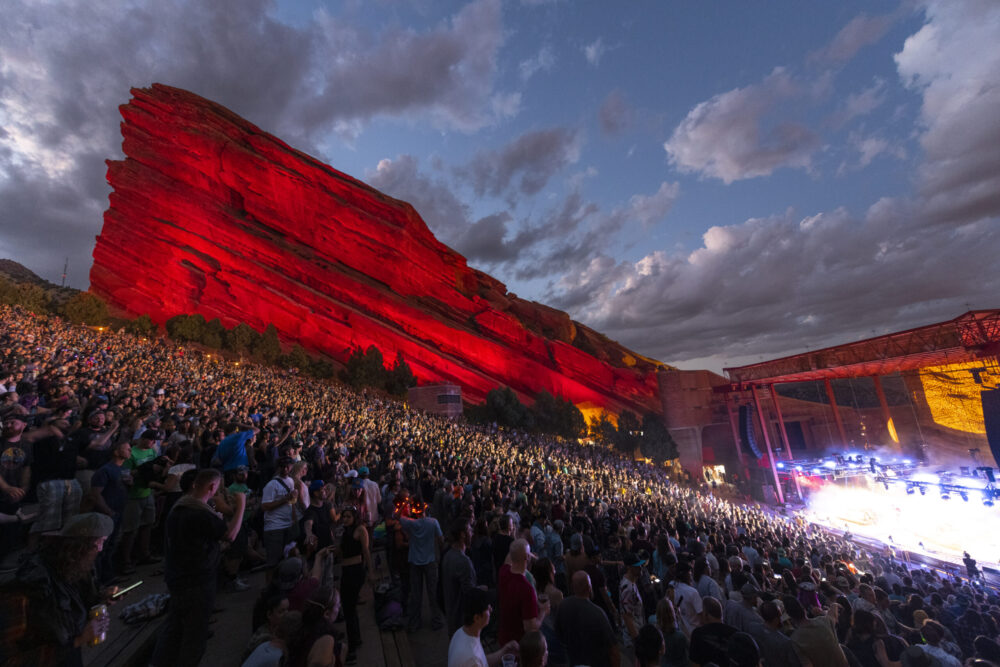
On our visit, it wasn’t a megastar but a Beatles tribute band, voices straining against the thin mountain air. Yet Red Rocks makes even imperfection sound transcendent. When the opening chords of She Loves You rang out, the crowd’s chorus ricocheted off the cliffs, thousands of “yeah, yeah, yeahs” stitched into the night sky. In that moment, it didn’t matter who was on stage; the amphitheatre itself was the star.
When the music stops, the pilgrims keep coming. At sunrise, yogis unroll mats on the stone terraces; by day, fitness fanatics sprint up all 69 rows of benches; hikers wind past rust-red formations on the Trading Post Trail. Few places blur the line between culture and nature so completely.
Eat, Drink, Repeat
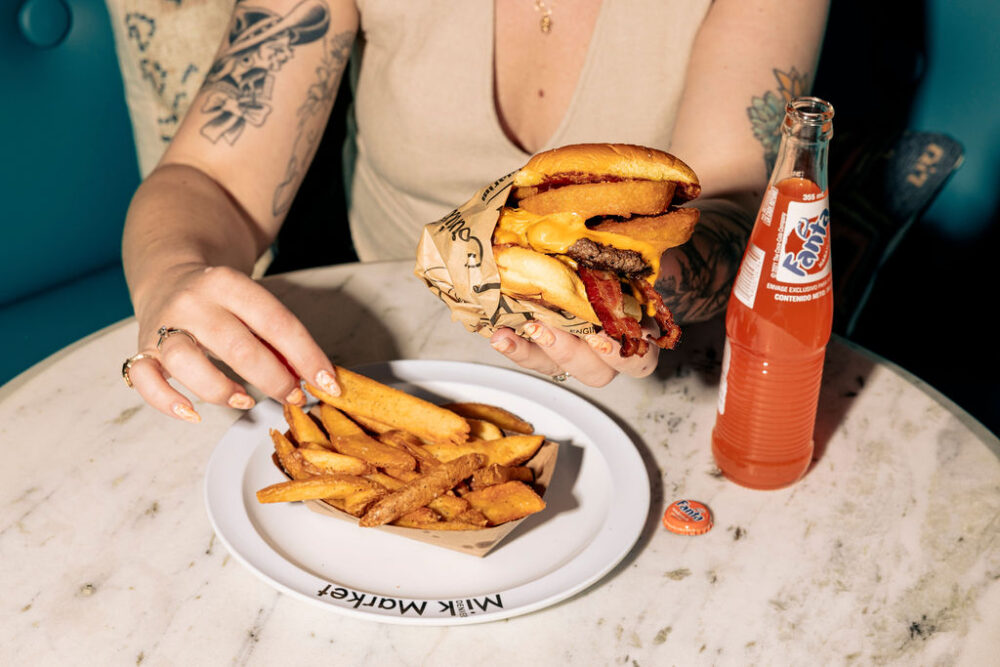
Denver’s dining scene is as inventive as its art. Chez Maggy, helmed by French chef Ludo Lefebvre, fuses Gallic classics with Rocky Mountain swagger inside the Thompson Hotel. Mister Oso keeps things tropical-casual with ceviches and smoky tacos. In LoHi, The Bindery flips from bakery to fine dining with ease, while the Denver Milk Market packs twelve vendors into a historic dairy block buzzing from breakfast through last call.
And then there’s the beer. Denver has long called itself America’s craft beer capital, and with more than 150 breweries in the metro area, it’s hard to argue. The fun lies in the details: a slow-pour pilsner at Bierstadt, a juicy IPA at Our Mutual Friend, or a slightly-too-experimental pickle beer at Danico. Here, even brewing counts as performance art.
Beyond the City
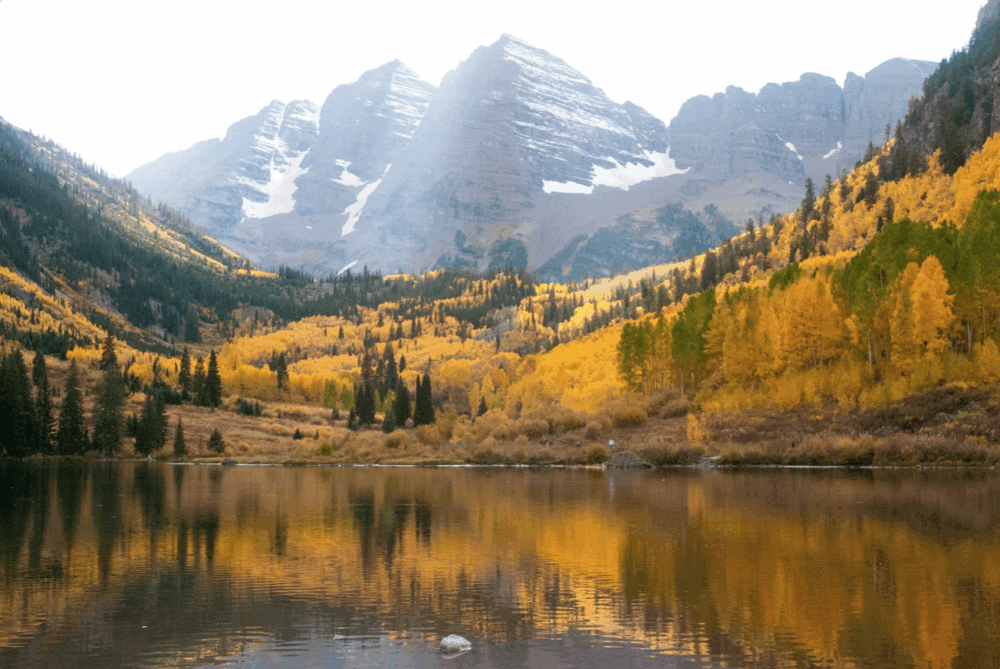
Nature isn’t a backdrop here; it’s part of the city’s identity. “Denver is known as a gateway to the vast adventure and wilderness of the Rockies, and its short distance to nature is a dominating presence,” says Woodward. His favourite? “While the view west from City Park is best known, my personal favourite is the sunset view from the sundial at Cranmer Park.”
Within 90 minutes, you can be in Rocky Mountain National Park, hiking alpine trails, spotting elk, and watching light shift across snow-capped peaks. Within city limits, Washington Park and Platte Park offer locals the same rhythm and respite.
Sleeping with Style
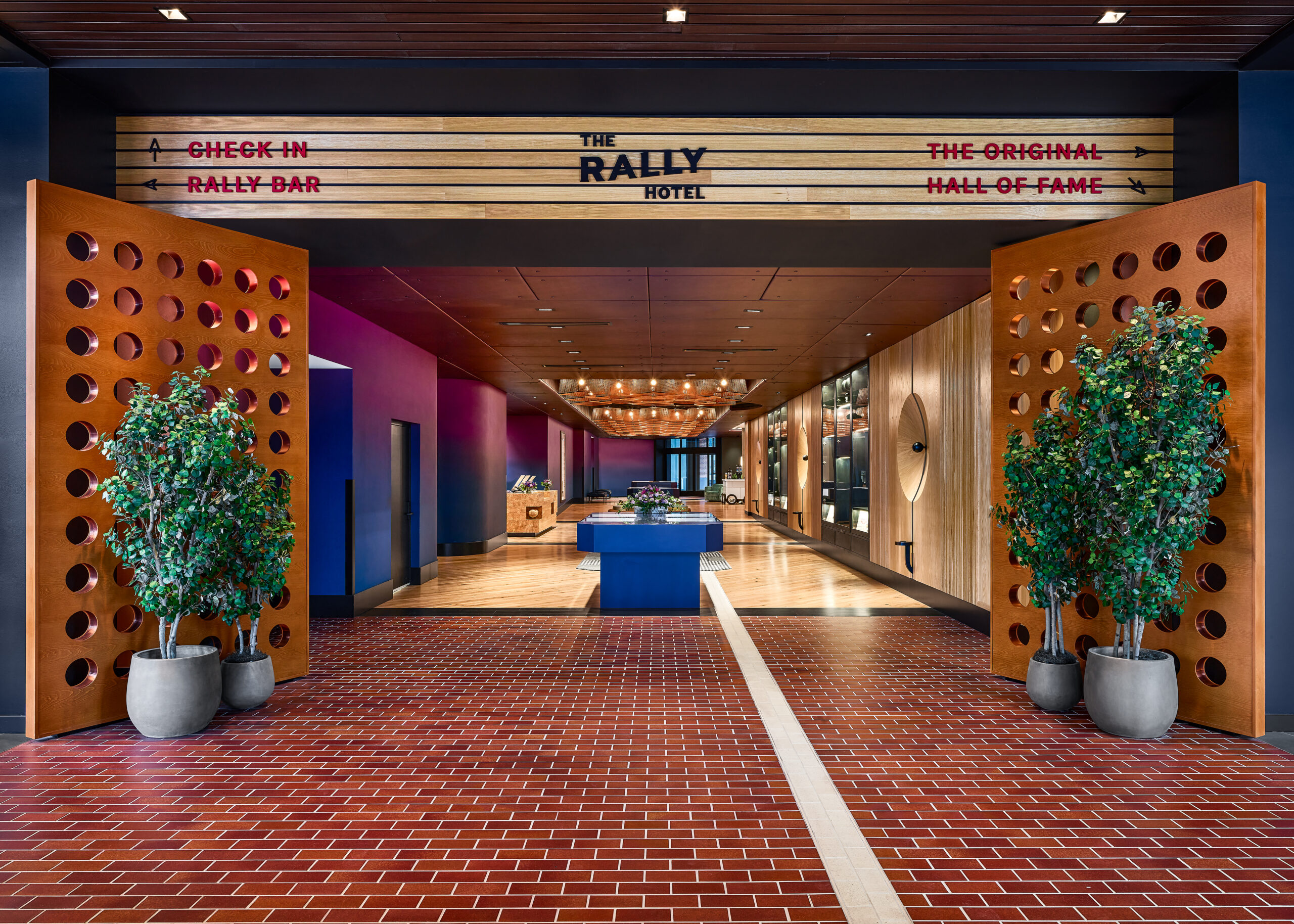
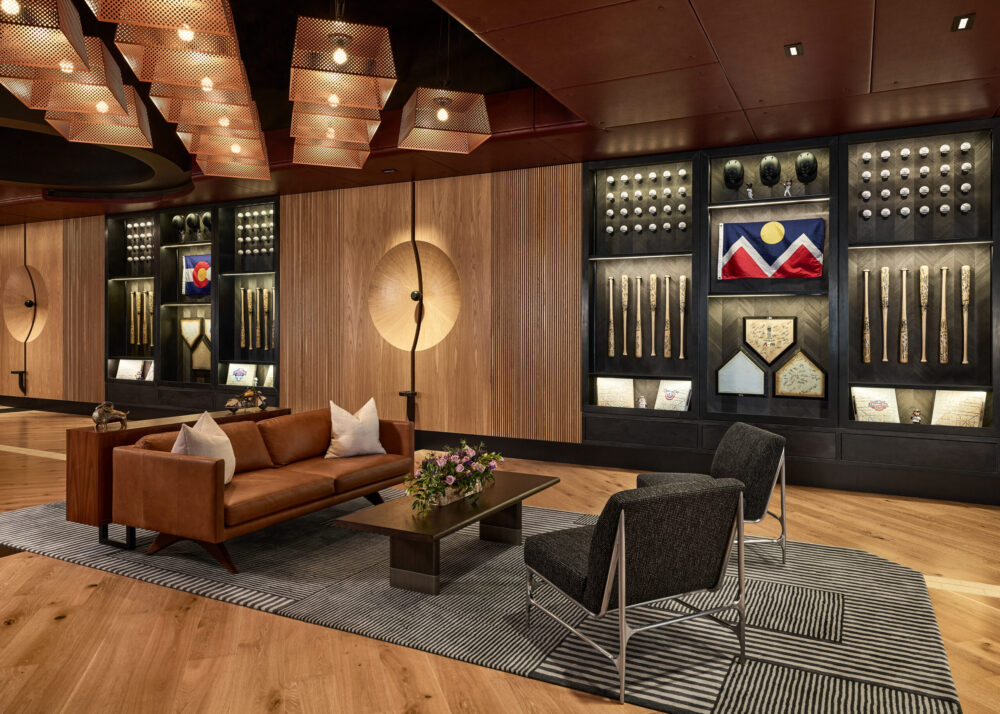
Denver’s hotels have caught up with its cultural swagger. The Rally Hotel, perched in the new McGregor Square development beside Coors Field, is a boutique stay that manages to be both playful and polished. The name nods to baseball (a “rally” being a late-game comeback), but the theming is light-touch, more subtle winks than gimmicks. You’ll find baseball bats repurposed as coat hooks, murals that riff on Americana, and a few sly references to the Rockies’ home turf scattered throughout.
The 182 rooms and suites are bright and spacious, with a design language that leans modern but warm: clean-lined furniture, oversized windows framing the city skyline, and just enough playful detail to avoid corporate blandness. Some suites come with terraces that face directly onto the ballpark, the kind of setting where you can sip a cocktail while the floodlights glow across the street.
We naturally drifted towards the rooftop pool, a serene perch with sweeping views across downtown and out toward the mountains. Location-wise, it’s hard to fault: Union Station is a short stroll, RiNo’s art and breweries lie within easy reach, and the ballpark is quite literally across the street, close enough that you could almost keep score from your balcony (and watch the Rockies lose without ever leaving your room). The Rally manages a rare feat for a sports-side hotel; it never tips into gimmick. Instead, it feels like a confident marker of where Denver is heading: young, stylish, sociable, and just playful enough to show it doesn’t take itself too seriously.
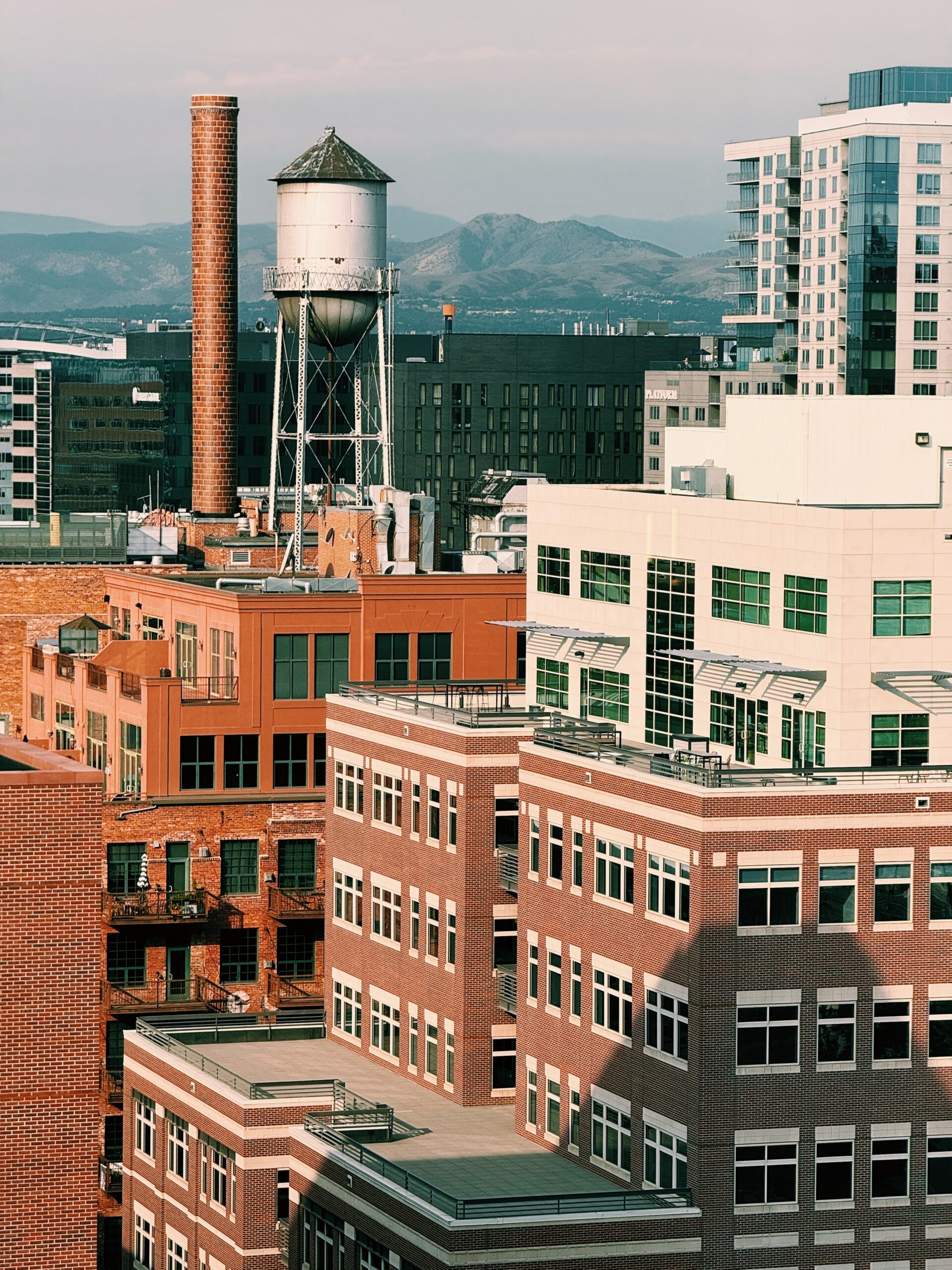
Denver has always been a city in flux, part boomtown, part mountain gateway, but its creative surge feels different this time. Art districts hum with energy, breweries behave like laboratories, and museums punch far above their weight. For locals like Andrew Woodward, the city’s evolution is as much about community as it is about culture: a place where artists, musicians, and chefs are busy making the Denver they want to live in.
“The city has a vast amount of untapped potential to create the next ‘it’ spot in the art world,” Woodward says. Once upon a time, this was just where you changed planes or stocked up on ski gear before heading into the Rockies. Now? It’s where you’ll want to stay put, altitude, murals, pickle beer and all.