Discovering Peru’s Golden Triangle
From Lima’s urban metropolis to the volcanic sweep of Arequipa and into the rich Andean folds of the Colca Valley via village homestays, thin air and hot springs, Peru is a destination with many facets.
I landed at dawn, the Pacific fog still clinging to the runway at Jorge Chávez International airport – my first foray into Latin America, hovering in uncertain mode. The drive to my hotel revealed little beyond brutalist towers looming through the early-morning mist and workers queuing at street stalls for breakfast; jet lag had the upper hand, and by the time I reached Casa Republica hotel in Barranco, all I could manage was a power nap beneath crisp linens.
A few hours later, the city unveiled itself in full seaside glory: runners pounding the malecón, paragliders drifting overhead, surfers carving mini-breakers in the Pacific. I bought a ‘queso helado’ ice cream from a street vendor (sweet, cinnamon-dusted and uniquely cheesy) and simply sat back to take in the view.
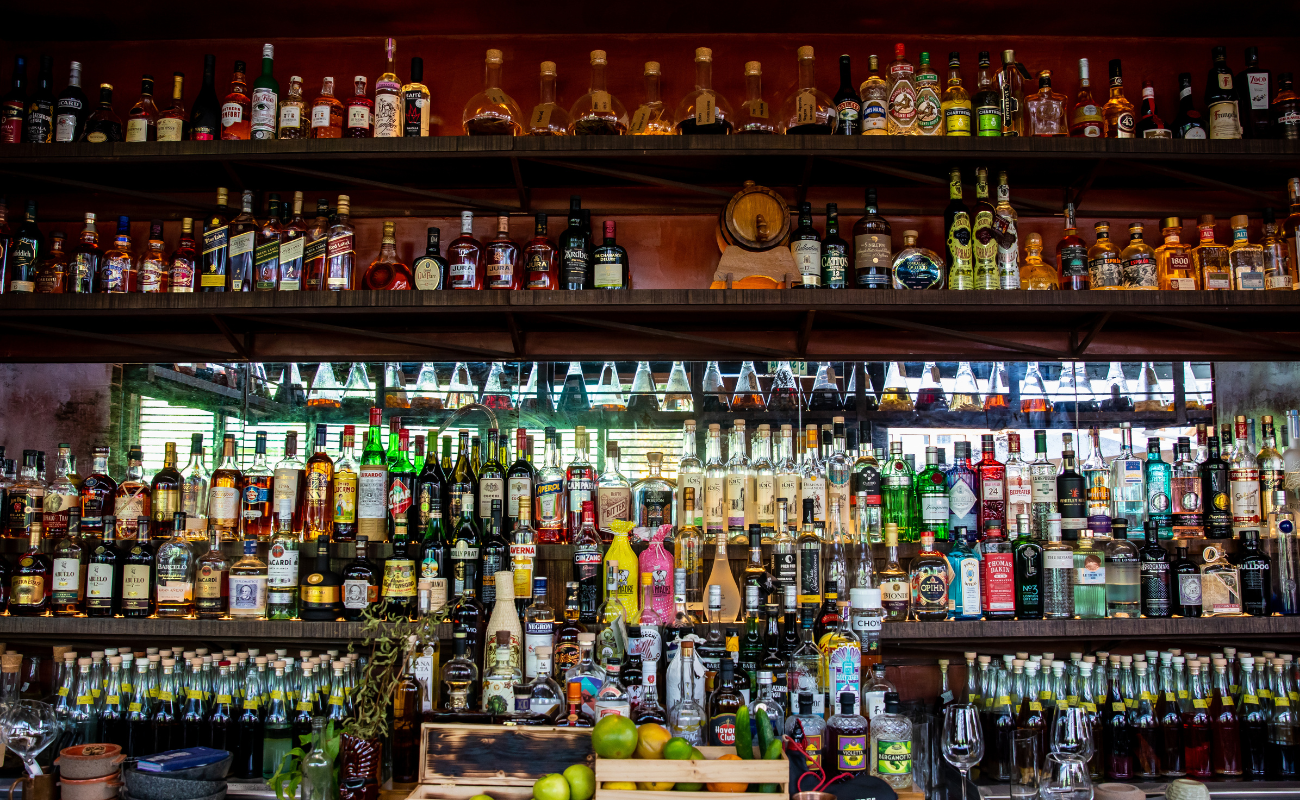
Pisco Bar. Image by Karina Mendoza. Courtesy of PROM PERU.
Lima is now South America’s most audacious urban experiment, and my neighbourhood of Barranco has a bohemian heart; murals splashed across colonial facades, artisan boutiques spilling onto the street, and contemporary art galleries jostling for space with coffee shops. I lost my first night nursing a Pisco Sour in a bar lined with antique mirrors. The bartender, forearm inked with a shipwreck, caught me staring at my warped reflection. “Everyone looks better in old glass,” he said. I laughed too loudly, which started my love affair with the country. Day one done.
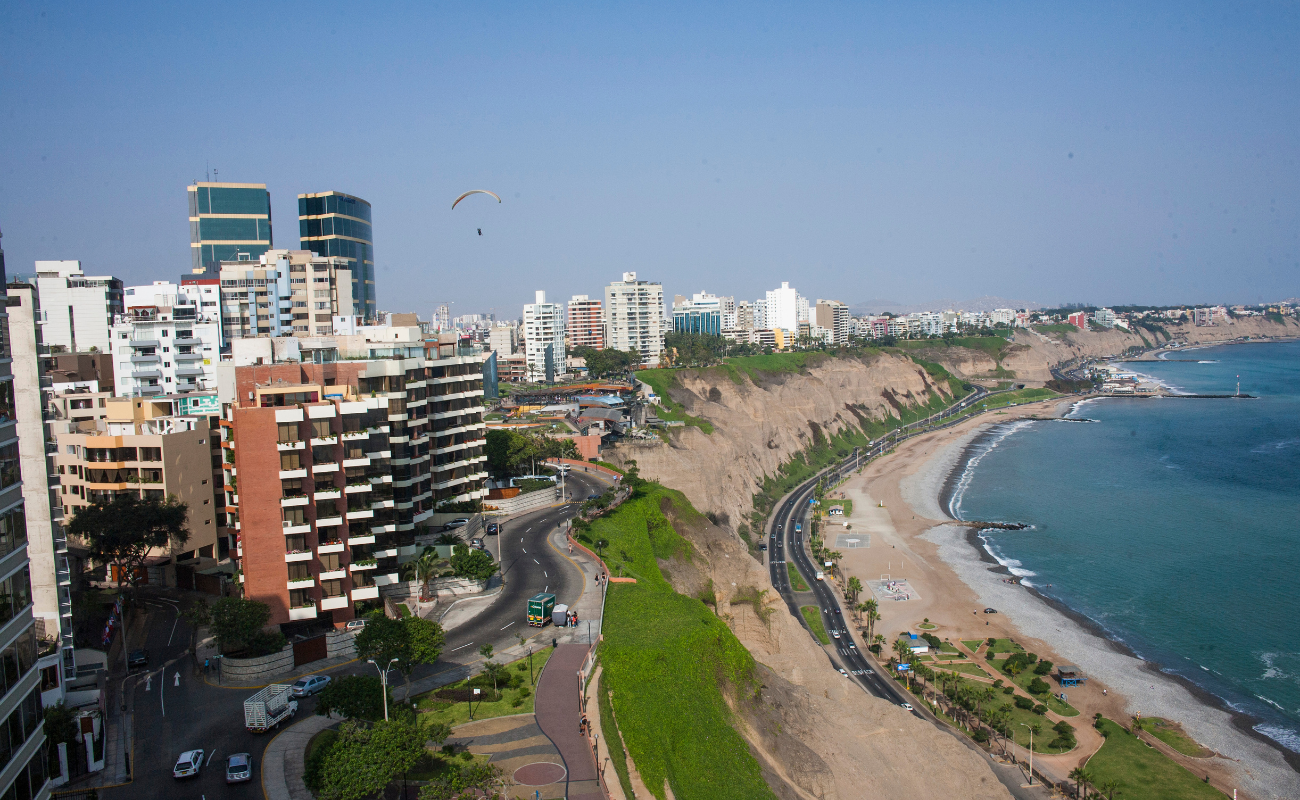
Miraflores dome. Image by Daniel Silva. Courtesy of PROM PERU.
The next few days flew by, a bike tour with guide Thiago, on a lime-green cruiser and a helmet faintly scented with someone else’s hair gel. Cruising past the Love Park’s kissing couples and the lighthouse at the end of the world, we crossed the Peace Bridge – the city’s new pedestrian walkway connecting the districts of Miraflores and Barranco.
We then ditched the bikes and wove through side streets as he pointed out murals and gave a history lesson. We ended up at El Cacaotal in San Isidro, a chocolate shop fronted by aficionado Ana. Here you can learn from her extensive experience in a workshop. Lined up like soldiers were a variety of single-origin slivers; I closed my eyes and let the 70 per cent Piura bar dissolve; it tasted of red fruit and wet earth. “What do you taste?” Ana asked. “Regret,” I said. She laughed and handed me a square of 100 per cent, which was a little too brutal for my taste buds.
Like all the cool kids, I paid a visit to Indigo Pizza. Late-night slices of wood-fired crust, cheese charred to perfection. Renzo the chef, slid a pizza across the counter. “Para la viajera.” I smiled back, “Gracias,” and made a mental note to look it up.
Another day I ate at Mayta – No. 47 on the World’s 50 Best restaurants. Causa arrived in perfect layered yellow mashed potato cylinders, topped with crab and avocado, followed by the mind-blowing Arroz con camarones (rice and shrimp). The sommelier recited the wine list as if it were poetry. I nodded along, pretending I understood.
My final treat before flying inland was a private cocktail class at Hotel B. Barman Louis, in impeccable English, guided me through pisco, muña, maracuyá and plenty of ice. I shook the most delightful Pisco Sour, followed by a Capitan and a Hanky Panky. The best I could manage afterward was navigating to the restaurant for supper. Thankfully, it wasn’t far to stagger back to the hotel.

El Misti. Image by Renzo Tasso. Courtesy of PROM PERU.
A short flight inland, and the scenery shifted dramatically. Arequipa is a city built from an eruption that boasts grand facades carved from sillar stone. Overlooked by the snow-capped El Misti, the city has the elegance of a European counterpart in the heart of the Andes. Cafés spill onto cobbled streets, vendors hawk their knitted wares, and tourists wearing hiking gear come and go from their walking expeditions. I arrived mid-morning and headed straight to the Plaza de Armas: a vast, palm-fringed square with a central fountain dubbed El Tuturutu for its trumpet-blowing cherub.
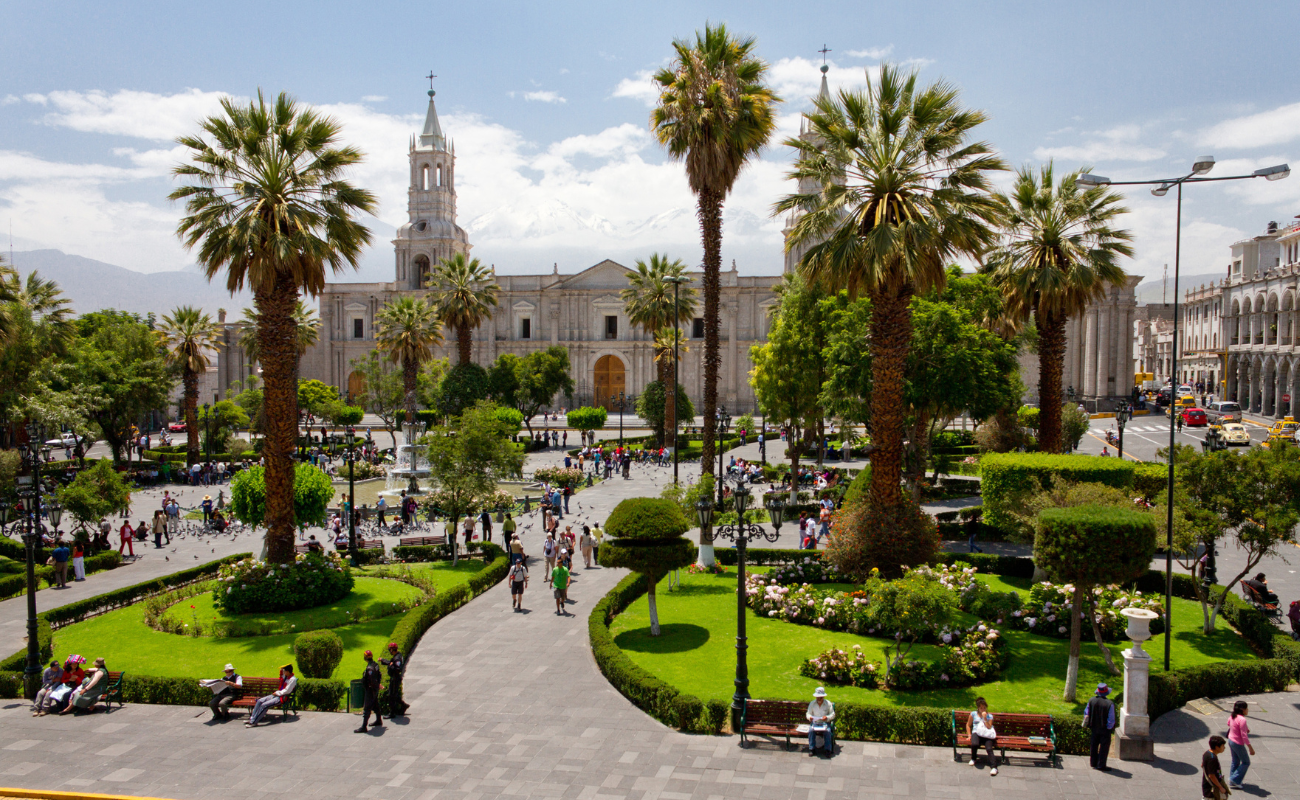
Plaza de Armas. Image by Renzo Tasso. Courtesy of PROM PERU.
Honouring the holy city, I stopped for lunch at 13 Monjas, a sun-dappled gem named for the 13 nuns who once owned the plot. I ordered cheesy garlic bread, crust crackling like a bonfire, followed by pasta that was devilish and delicious. I stepped back into the sun and continued my pilgrimage to the Monasterio de Santa Catalina. This 20,000-square-metre “city within a city,” founded in 1579, was once a luxurious nunnery – think porcelain plates, silk linens and servants – until the Pope cracked down in 1871.
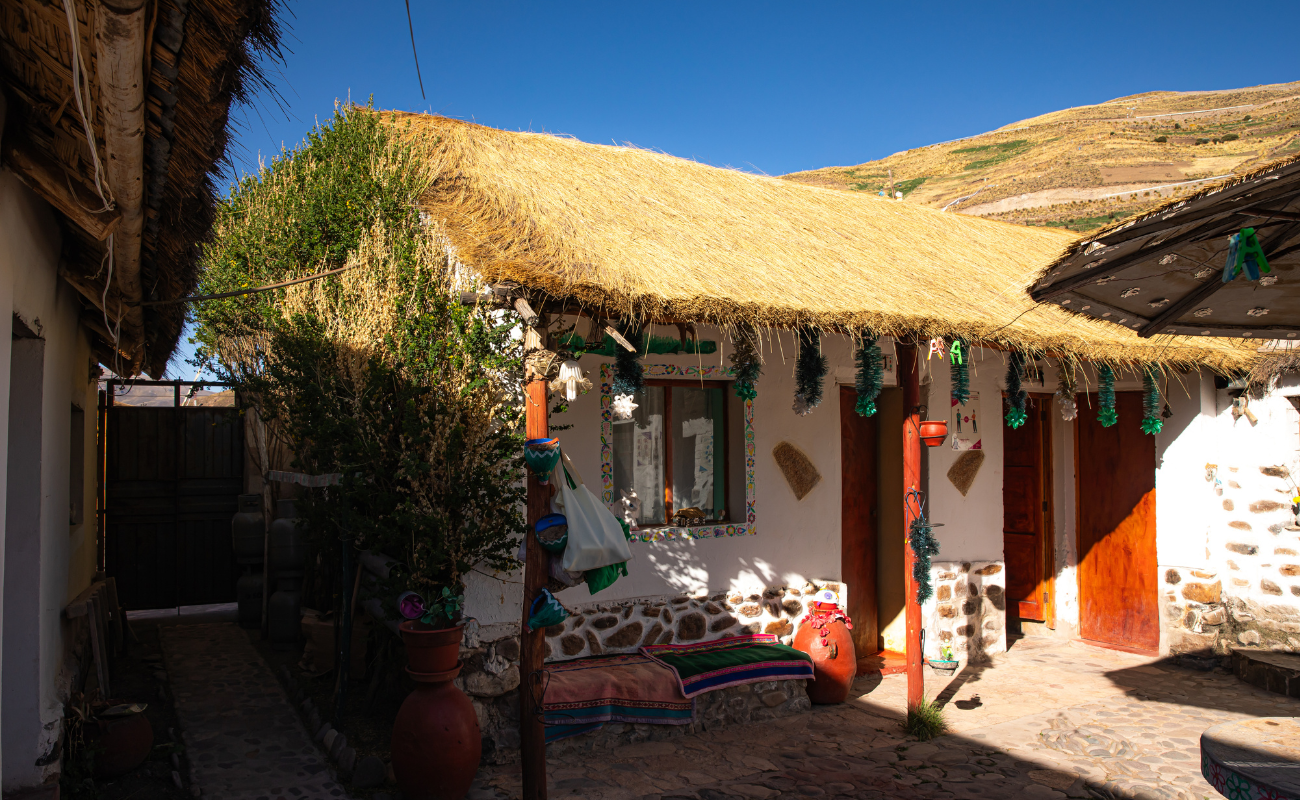
Homestay. Image by Karina Mendoza. Courtesy of PROM PERU.
Leaving Arequipa meant stocking up on altitude sickness tablets, but I was ready for the real Andes. I took a minibus along winding roads, traversing terraced hillsides and herds of grazing alpacas. Descending into the Colca Valley, the air grew colder and fresher. We pulled up at our homestay in Sibayo. My Spanish was shaky, Quechua nonexistent, greetings were smiles and nods as owner Eusebio showed me to a simple room with a bed piled high with heavy, hand-knitted blankets smelling of woodsmoke.
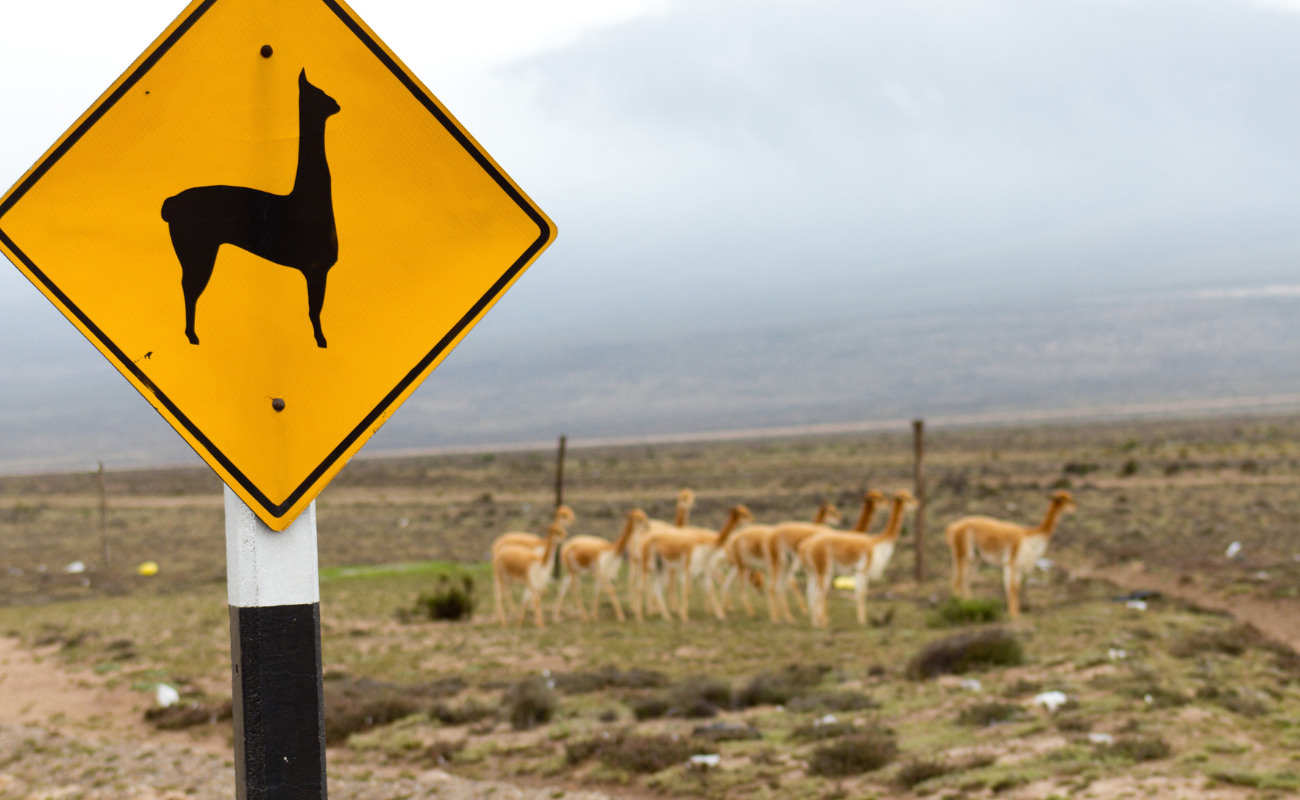
Llamas crossing. Image by Renzo Tasso. Courtesy of PROM PERU.
Lunch was served around a long wooden table: sweet potatoes, rice, and river trout grilled on embers was basic but delicious. Afterwards, we met local llama owner Rosina and helped walk her herd. Remarkably docile and photogenic, this was the perfect integration into the community.
After dinner, the charango appeared. Our guide Ricardo strummed a bright rhythm as Eusebio materialised with local costumes. We danced around the open fire in the courtyard; temperatures dropped, but the sky beamed with stars. Wrapped in heavy wool blankets, I drifted to sleep. My nose might have been cold, but the bed was soft and the silence extremely rare. I was awoken by a rooster call at 5 am.
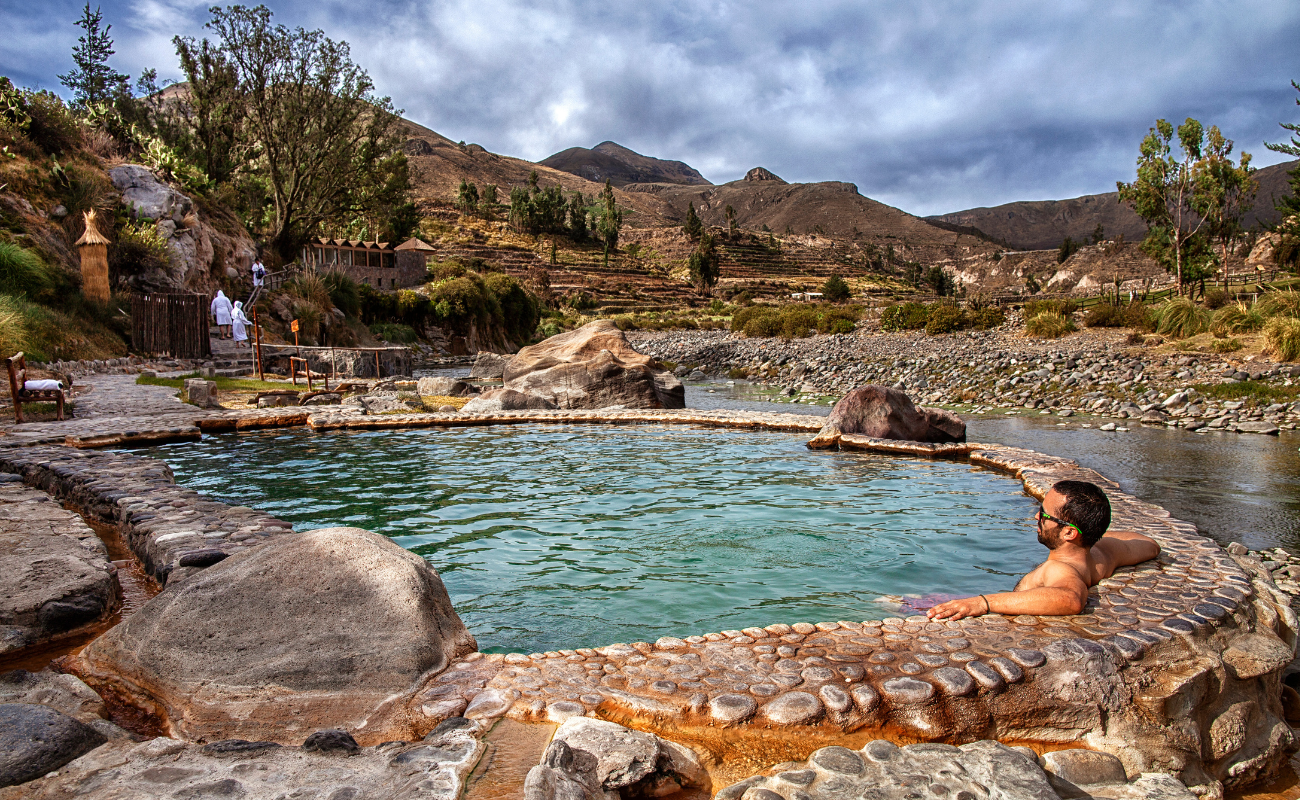
Hot springs. Image © Enrique Castro Mendivil. Courtesy of PROM PERU.
The next morning, we left early and headed to the Cruz del Condor viewpoint. We were lucky as we caught a dramatic Andean condor soaring on thermals, wings spanning nine feet against the canyon’s dramatic depths (which are twice as deep as the Grand Canyon). From there, we were rewarded with a trip to the hot springs, which was the ideal antidote to the region’s activities.
From the urban pulse of Lima to the slow thrum of Arequipa and the deep quiet of Colca, this journey draws a perfect triangle. You can immerse yourself in Peru without once visiting its most famous landmark and still feel you’ve seen its soul.
Words by Sara Darling