INSIDE CAPELLA KYOTO: A NEW MACHIYA BY KENGO KUMA
Kyoto has always been a city of thresholds. A place where the extraordinary hides behind an unmarked gate, where the most meaningful encounters take place not in grand gestures but in the quiet shift between one space and the next. In Miyagawa-chō , a district known for its refined theatre traditions and rare pockets of old-world calm ,that sensibility has been reinterpreted for a new generation.
Opening in Spring 2026, Capella Kyoto is the result of a rare collaboration between Kengo Kuma and Associates and Singapore’s Brewin Design Office. Together, they have transformed a former primary school into something that feels both familiar and entirely new: a modern machiya, distilled into a hotel that moves at Kyoto’s natural rhythm.
Reimagining a Kyoto Classic
Machiya, Kyoto’s historic townhouses, are typically defined by deep interiors, slender facades, and the jewel-box courtyards known as tsuboniwa. Kuma uses these characteristics not as nostalgic references, but as the bones of a contemporary composition.
From the street, the architecture keeps its voice low. The building maintains the modest scale of Kyoto’s laneways, siding gracefully into the neighbourhood rather than staking a claim. “We found the tranquillity of Miyagawa-chō essential,” Kuma says. “It was important not to introduce something that felt foreign to the community.”
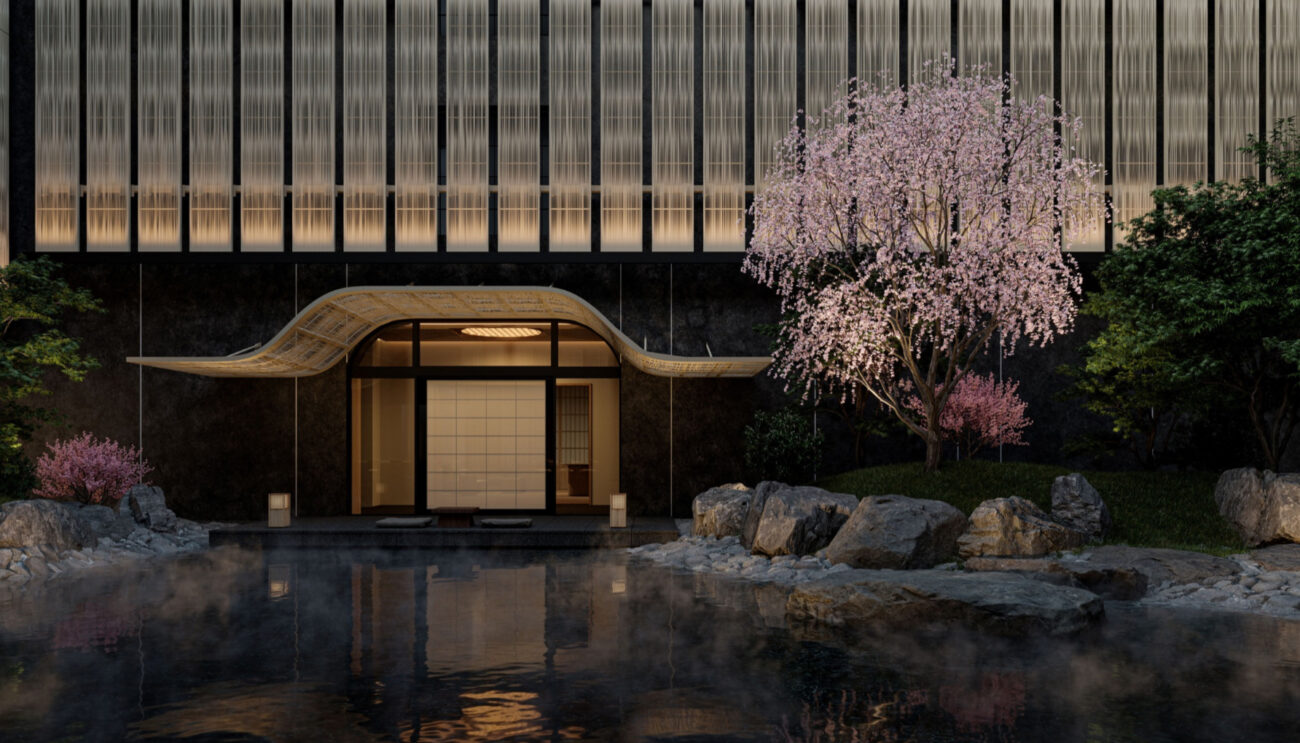
The heart of the hotel is an enclosed courtyard marked by a sweeping karahafu roof, an undulating gable more often found on temple gates and kabuki theatres. It signals not grandeur, but reverence: a nod to the cultural ancestry of the district and the former life of the school it replaces.
A Journey Built on Small Discoveries
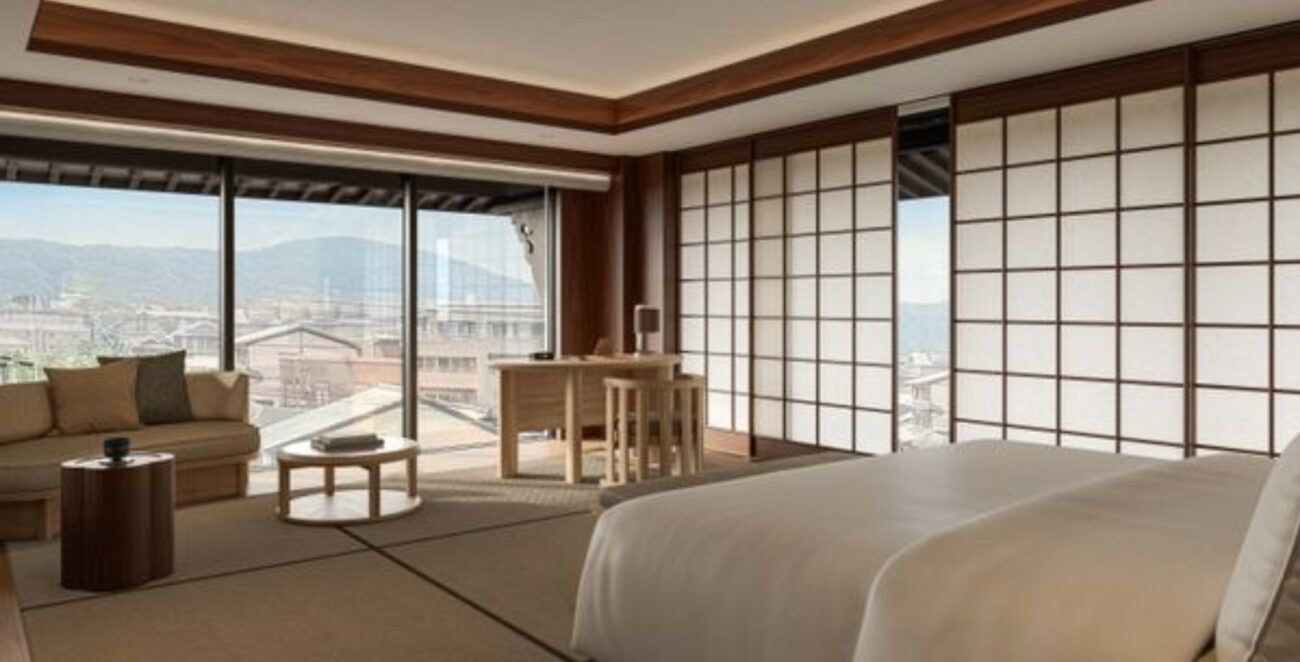
In true Kyoto fashion, Capella avoids the obvious entrance. Guests slip instead through narrow passages inspired by the alleyways of Gion , shoji-lit paths where water murmurs out of sight and the rhythm of movement naturally slows.
Kuma describes Kyoto as a city where you wander into revelation: stumble upon a shrine, a tiny altar, a stone marker that quietly holds centuries. The hotel mirrors that sense of wandering. Spaces contract and open, compressing the senses before releasing them again. Natural light is used sparingly, almost dramaturgically, to invite curiosity.
At the centre, the tsuboniwa garden acts as the hotel’s still point. Its water mirrors the sky, connecting the ground-level courtyard with an underground atrium designed to feel like a sheltered retreat. It’s a modern expression of the centuries-old desire to bring the natural world into tightly woven urban life.
Craft, Texture and the Poetry of Restraint
If Kuma provides the structure, Brewin Design Office delivers the emotional register. Their interiors avoid pastiche and instead focus on material intelligence ,a sensitivity to how surfaces feel, age and interact with light.
Cypress, cedar, bamboo and handmade ceramic elements sit alongside bronze details and Kyoto’s famed Nishiki-ori silk. These materials aren’t used for show; they are handled with the same understatement that defines the city itself. “Kyoto’s mastery lies in its restraint,” notes Brewin’s founder Robert Cheng. “It’s about carrying forward its spirit of discretion.”
Guestrooms are oriented to capture shifting daylight, with stone soaking tubs positioned to encourage a slower ritual of bathing. Some overlook framed pockets of landscape; others feel cocooned, like private extensions of the courtyard.
Hospitality as Cultural Bridge
Public spaces continue the dialogue between tradition and contemporary craft.
The Living Room , conceived as a softly glowing andon lantern , feels like a salon crossed with a Kyoto townhouse parlour. Its atmosphere is gentle, textural, and grounded in Japanese notions of lightness.
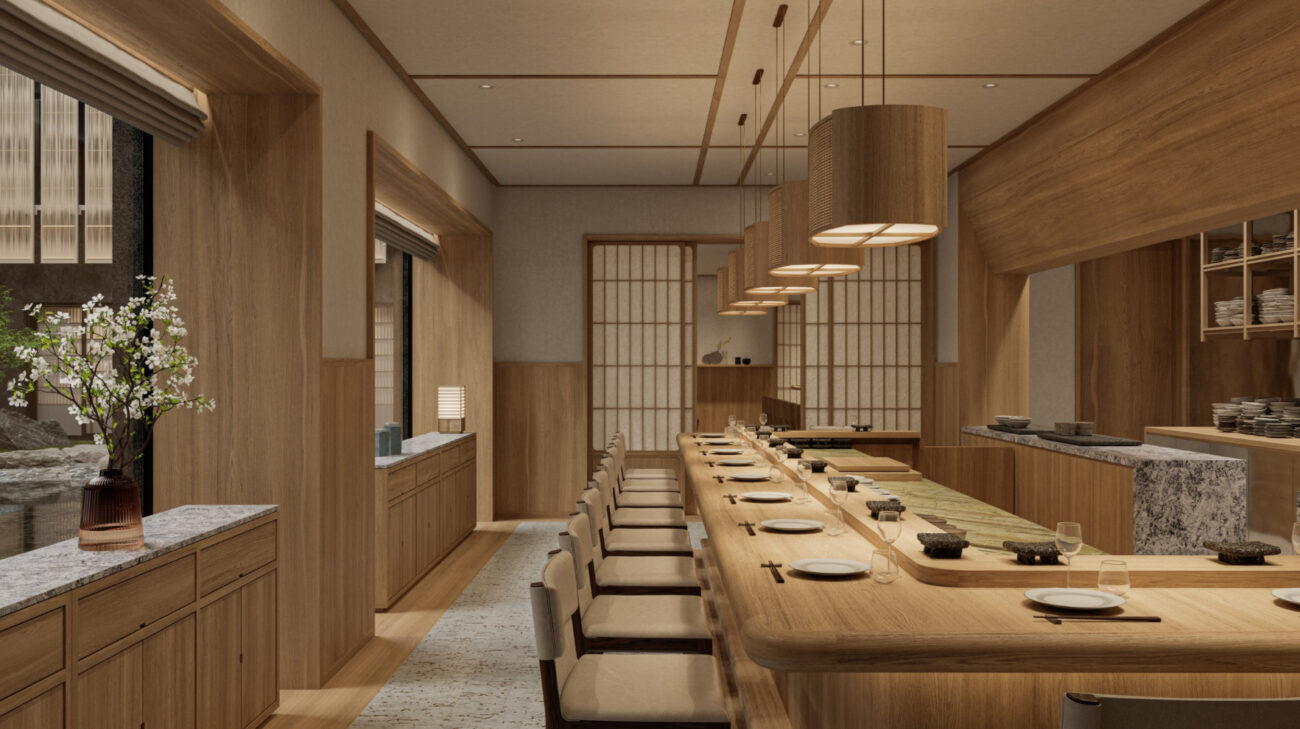
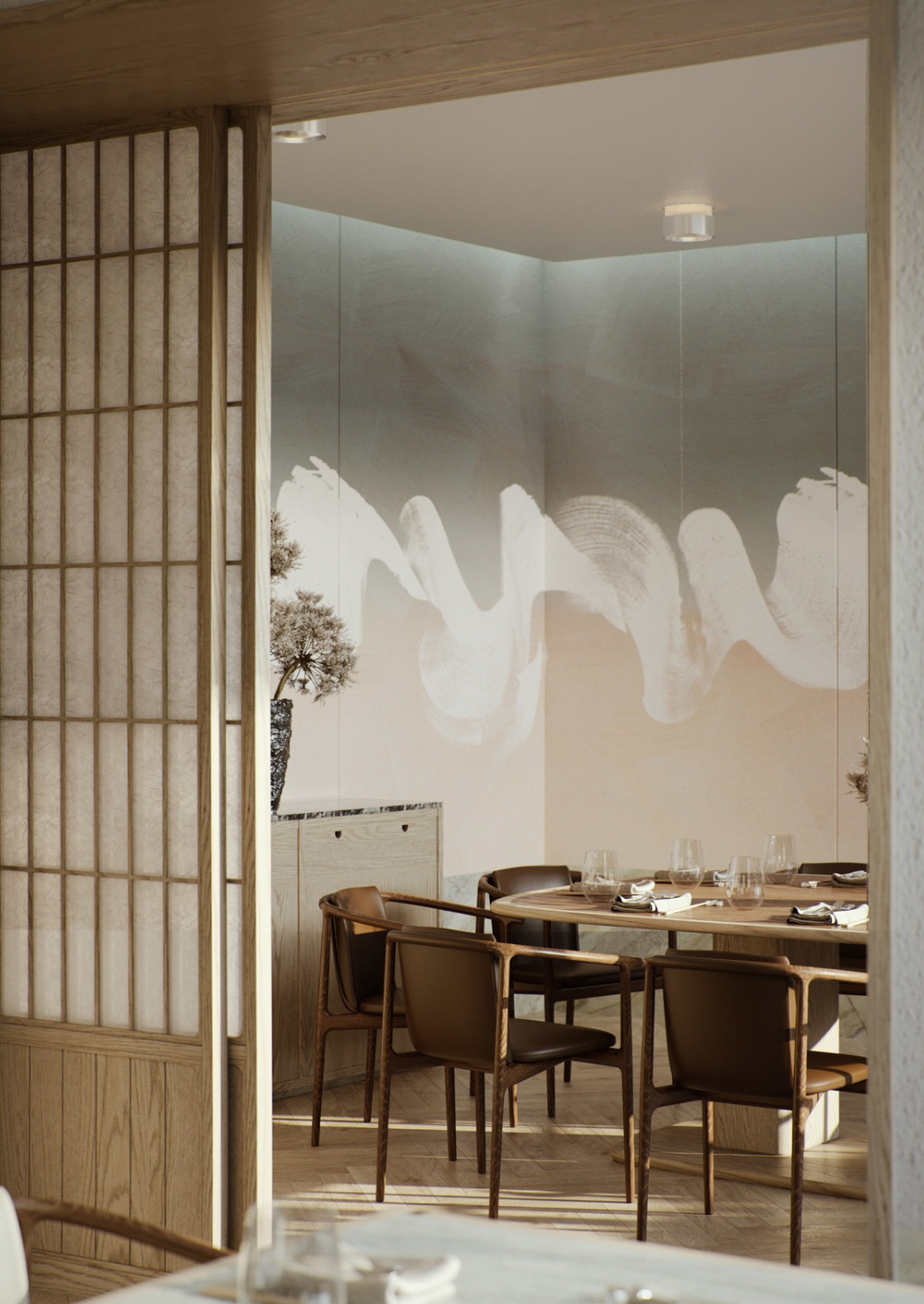
The hotel’s signature restaurant is intimate rather than grand, drawing from the idea of the ochaya teahouse. A residential-style lounge leads into a counter-focused dining room where reclaimed wood and lighting from the original Shinmichi Elementary School offer a grounded sense of continuity.
Kyoto has long lacked a sophisticated late-night dining culture, and Capella’s Japanese restaurant seeks to shift that narrative ,offering a rare evening space that balances refinement with ease.
Elsewhere, a French brasserie interprets Parisian café culture through Kyoto’s lens: marble and herringbone floors softened by pale woods, woven textures and floral arrangements that act as quiet interventions rather than decoration.
A Hotel in Conversation with Its City
There’s a consistent principle at work here: every design gesture slows the pace, centres the senses, and deepens the experience of place. “The architecture and interiors don’t merely frame experiences; they orchestrate a journey of discovery,” says John Blanco, Capella Kyoto’s Cluster General Manager.
Rather than offering Kyoto as a spectacle to consume, the hotel invites guests to inhabit it,to move through its corridors as they would its old neighbourhoods, to appreciate not only the big moments but the subtle transitions in between.
Capella Kyoto doesn’t imitate the past. It listens to it. And in doing so, it offers a new reading of the machiya ,one that feels unmistakably modern, yet rooted in the city’s delicate, intricate soul.