INSIDE JUMEIRAH MARSA AL ARAB: SHAUN KILLA ON DESIGNING DUBAI’S NEXT ICONIC HOTEL
SHAUN KILLA: DESIGNING THE FUTURE IN THE HEART OF DUBAI
Inside Jumeirah Marsa Al Arab: Shaun Killa on designing Dubai’s next iconic hotel. A creative conversation with the architect behind Jumeirah Marsa Al Arab – Dubai’s new landmark of ultra-luxury and sustainability
Dubai is a city that demands attention. From its sweeping skylines to its shimmering coastlines, this global hub for innovation and excess is constantly reinventing itself. But while the headlines often focus on spectacle, the soul of Dubai’s architectural evolution lies in its subtleties—its commitment to sustainability, human experience, and storytelling through space.
One man who understands this balance better than most is Shaun Killa. As founding partner of Killa Design, the Dubai-based studio responsible for some of the region’s most talked-about buildings—including the Museum of the Future and the world’s first 3D-printed office—Killa has redefined what architecture can be in the 21st century.
With the upcoming opening of Jumeirah Marsa Al Arab, Killa completes a stunning trilogy of coastal icons that began with Jumeirah Beach Hotel and Jumeirah Burj Al Arab. We sat down with the South African-born architect to talk fluid forms, futuristic thinking, and why every great building should leave a legacy of care for people and for the planet.
“Architecture is about storytelling. Jumeirah Marsa Al Arab is the final chapter in an epic tale of Dubai’s evolution.”
Fused Magazine: Dubai is known for its ambitious architecture. How does Jumeirah Marsa Al Arab contribute to the city’s future identity?
Shaun Killa: This project is very much about storytelling. Jumeirah Marsa Al Arab completes an architectural trilogy—the wave (Jumeirah Beach Hotel), the sail (Jumeirah Burj Al Arab), and now, the yacht. Each represents a different moment in time, and together, they form a timeline of Dubai’s growth, ambition, and vision for the future.
It’s not just another building—it’s a destination. It’s positioned out at sea, bridging land and water, and it captures that spirit of exploration. The architecture is fluid, inspired by superyachts, with curving lines that create a dynamic sense of movement. Even though the building is static, it appears to move forward, almost like it’s heading out to sea.
“The arch frames Burj Al Arab. It’s not just a view—it’s a moment.”
FM: Tell us more about the guest experience. How does the design elevate that sense of luxury?
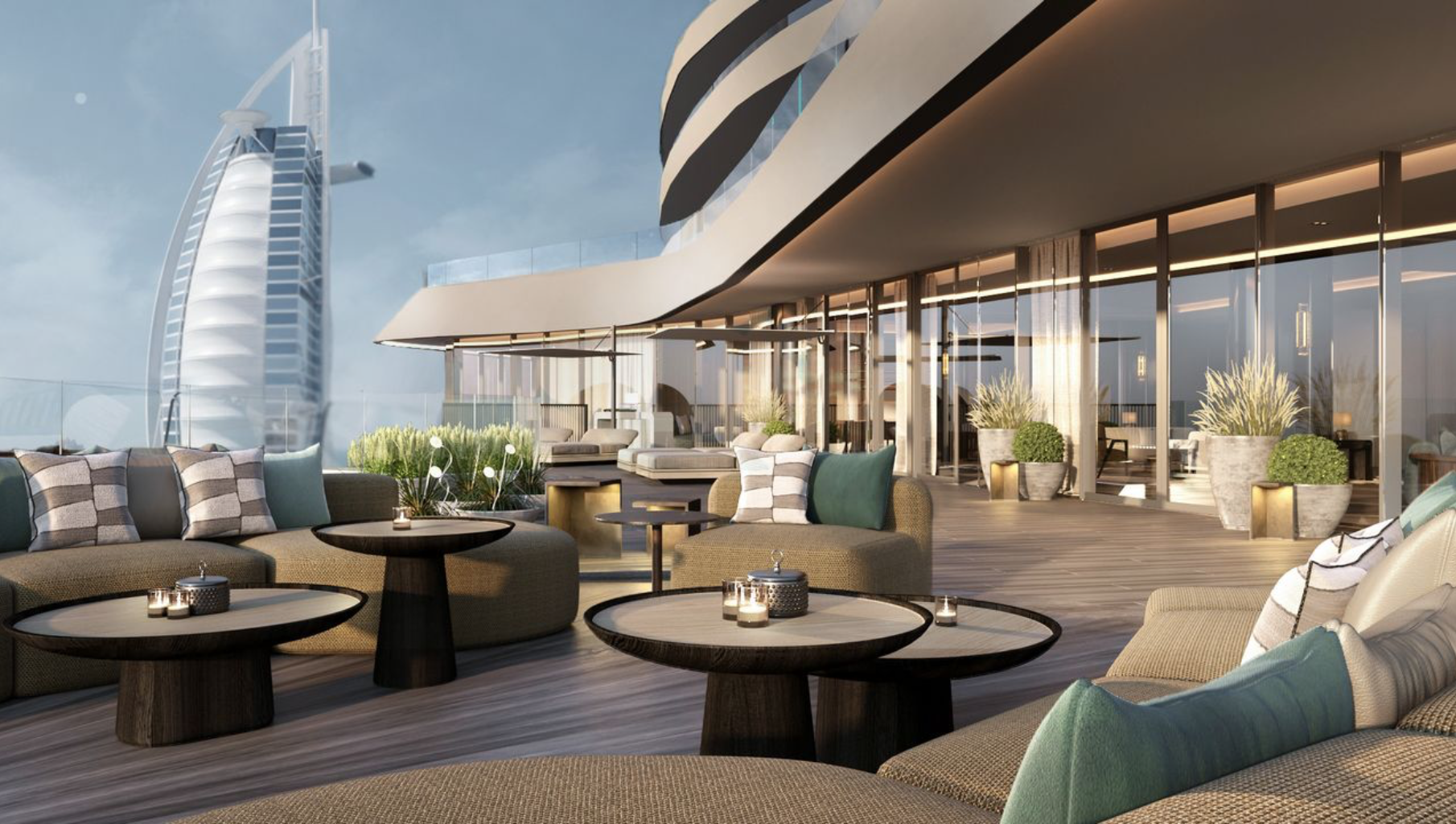
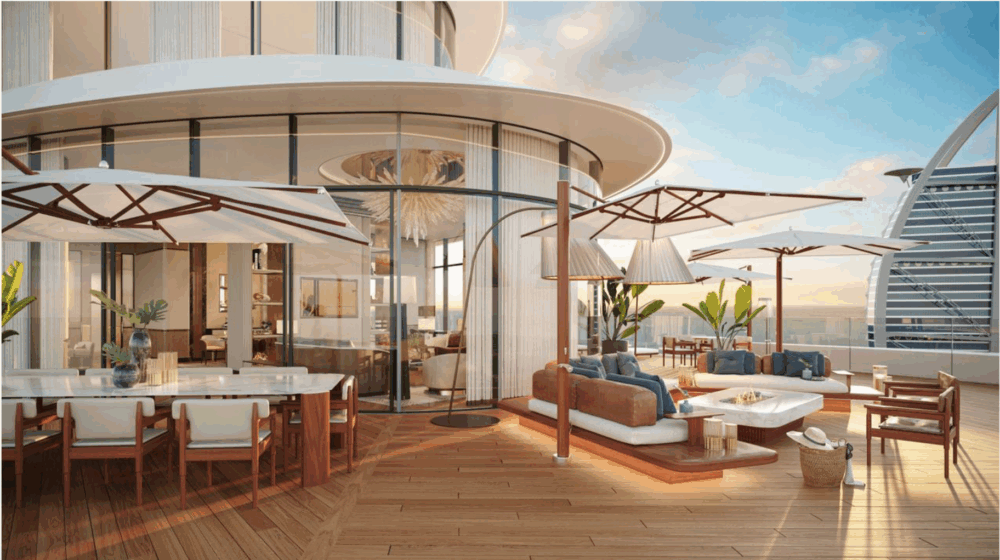
SK: From the very beginning, we wanted to create something immersive. The guest journey starts with a striking arch beneath the hotel—this frames a perfect view of Jumeirah Burj Al Arab. It’s one of the most photographed buildings in the world, and we wanted to honour that view, not block it.
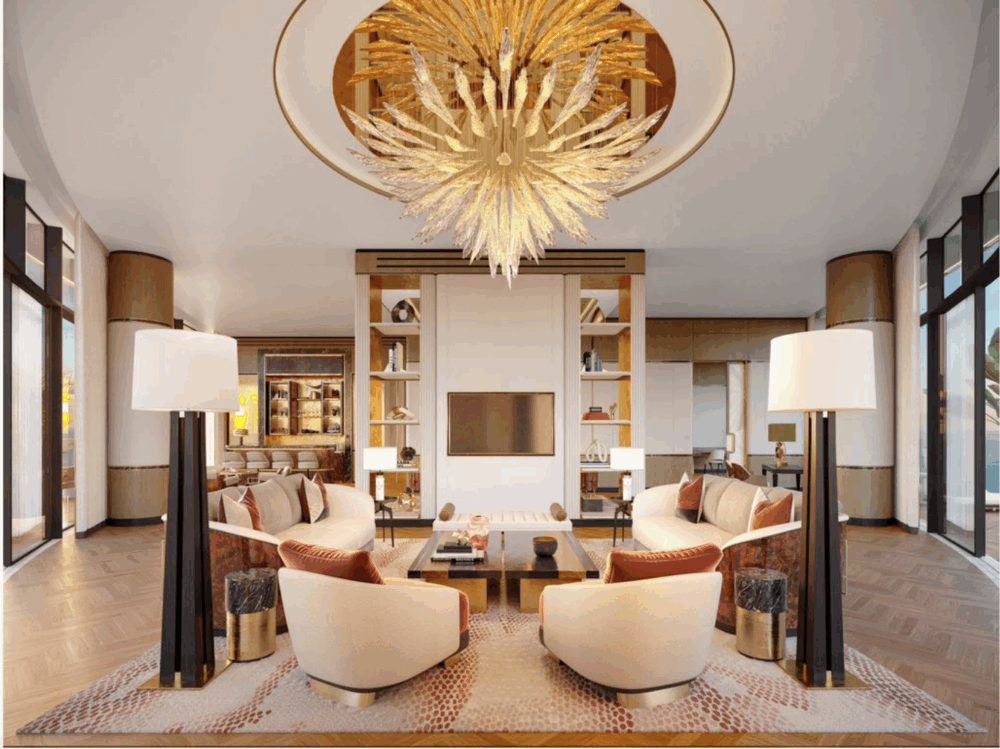
This is also where luxury meets storytelling. The fluted soffits under the arch are softly illuminated at night, creating a warm ambience. When you step into the lobby, you feel like you’re walking toward the bow of a yacht. It’s subtle, but it sets the tone.
Inside, each restaurant and bar is designed to offer something unique, from serene atmospheres to dramatic, visually rich interiors. We’ve designed terraces with pools that offer 270-degree sea views. The architecture pulls the ocean into every moment of the experience.
“This building breathes with its surroundings.”
FM: The project is surrounded by the sea and lush gardens. How important was the connection between architecture and nature?
SK: Vital. The hotel extends out into the sea, with Jumeirah Burj Al Arab to the west and a marina to the east. We didn’t just want to build something that stood in contrast to nature—we wanted it to belong to it.
That’s why we separated the hotel from the residences. It would’ve been easier to combine them into a single block, but doing so would have blocked the view from the public beach. We used GPS and sightline analysis to preserve that iconic view of the Burj. We wanted the public to still experience it—even if they never step foot inside the hotel.
The landscaping throughout the resort enhances this relationship. It’s designed to feel lush and inviting, not ornamental. Every garden walk, every outdoor terrace is meant to feel integrated into the coastal ecosystem.
INSIDE JUMEIRAH MARSA AL ARAB: SHAUN KILLA ON DESIGNING DUBAI’S NEXT ICONIC HOTEL
“Sustainability is not an afterthought—it’s baked into the architecture.”
FM: Jumeirah Marsa Al Arab is undeniably luxurious, but how does it respond to the challenges of climate and sustainability?
SK: Sustainability is always one of our first conversations, not the last. The building uses continuous balconies that self-shade the glass facade, which reduces solar gain and cuts cooling demand by up to 40%. That alone makes a massive difference in the UAE climate.
We also integrated greywater recycling for irrigation, LED lighting throughout, and energy recovery systems that reduce the overall carbon footprint. Even the back-of-house areas are landscaped to reduce heat islands and blend into the site.
Our ethos at Killa Design is simple: every building must respect and enhance the natural world. Architecture should contribute positively to the urban ecosystem, not just occupy space.
“Dubai is the ultimate blank canvas.”
FM: You’ve been instrumental in shaping Dubai’s skyline. What makes this city such a fertile ground for architectural innovation?
SK: Dubai has this rare combination of ambition and openness. The city embraces the future. There’s a willingness to experiment—to push beyond the conventional.
For architects, it’s incredibly exciting. You’re not just building for function; you’re building to inspire, to create symbols of possibility. That’s what the Museum of the Future represents. And Jumeirah Marsa Al Arab continues that idea—architecture not as a monument, but as an experience.
There’s also a global energy here. People from every corner of the world converge in Dubai, and that multiculturalism is reflected in the way we design spaces that feel international, yet grounded in the regional context.
“The future is about the integration of work, life, and leisure.”
FM: What trends do you see shaping the future of design in the UAE?
SK: Mixed-use and residential sectors are going to grow significantly. People want walkable, connected environments where they can live, work, and relax in close proximity. That’s a big shift from the sprawl of the past.
I see a move toward “vertical villas”—multi-family luxury residences with views, amenities, and easy access to green space or waterfront. There’s also growing demand for branded residences and five-star services that come with a lock-and-go lifestyle. Quality of life is becoming just as important as architectural form.
“I draw inspiration from simple, beautiful places.”
FM: Where do you go in Dubai for inspiration, relaxation, or just a great meal?
SK: For dining, I love Kayto and Rockfish at Jumeirah Al Naseem—both offer fantastic food and unbeatable views of the Burj. Pierchic is another favourite—right on the water, with 360-degree views. And Pai Thai is great for both the food and the journey to get there by abra along the waterways.
Outside of that, I often unwind by sailing. Renting a yacht from Dubai Marina or Marina Harbour and heading out to sea is incredibly peaceful. You see the city from a different angle—past the skyline, past the icons.
For something more grounded, Kite Beach is always inspiring. A walk along the shore with a coffee in hand—it’s those quiet, everyday moments that often spark the best ideas.
“Architecture must serve people and the planet.”
FM: What do you want your legacy to be?
SK: I want my buildings to connect people to their environment. Not just visually, but emotionally. I want to create spaces that feel timeless, sustainable, and rooted in meaning.
Ultimately, I hope my work inspires the next generation to think beyond aesthetics. To ask: What does this space give back to the city? To the people? To the environment?
That, to me, is what architecture is really about.
As Dubai continues to race toward the future, Shaun Killa is ensuring the journey remains beautiful, responsible, and visionary. With Jumeirah Marsa Al Arab, he hasn’t just designed another luxury hotel—he’s shaped a symbol of how design can elevate experience, honour its surroundings, and imagine what’s next.
INSIDE JUMEIRAH MARSA AL ARAB: SHAUN KILLA ON DESIGNING DUBAI’S NEXT ICONIC HOTEL