MODERN ART HOTELS: WHERE DIGITAL DESIGN MEETS HOSPITALITY
Art and hospitality have always intersected, but in the past few years, that intersection has evolved into something far more immersive. Hotels are no longer content with displaying framed artwork or sculptures in lobbies. Instead, they use digital design as a core part of the guest experience. The result is a new breed of hotels that blur the line between accommodation and gallery, offering guests something creative and interactive.
This new direction is not just about appearance. It’s about creating emotional connections through digital storytelling, curated spaces, and personalised moments. Travellers increasingly look for experiences that reflect cultural engagement and creativity. Modern art hotels, with their interactive displays and digital artistry, are providing just that.
A Shift in Hospitality Design and Guest Expectations
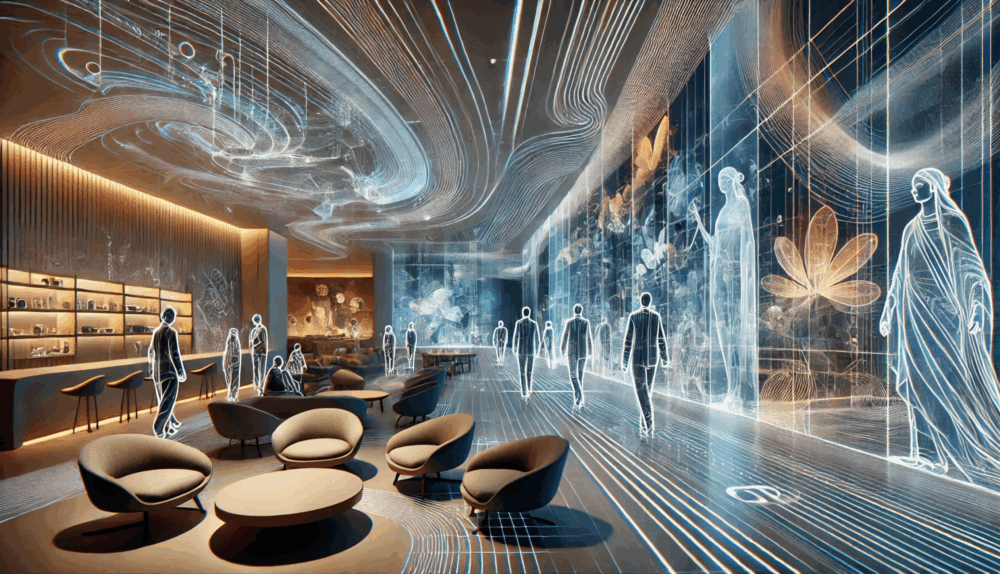
Hotels have started shifting away from passive art displays toward dynamic environments that invite participation. Walls are no longer static; they respond to movement. Lighting reacts to sound. Common areas feature projection mapping that changes based on the time of day or guest interaction.
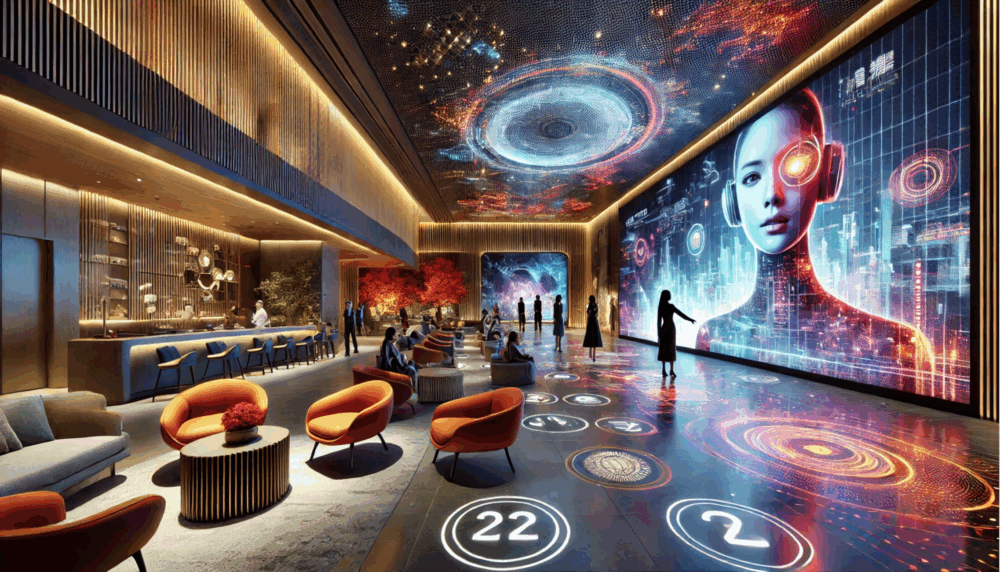
Much of this transformation is driven by the desire to provide guests with more meaningful experiences. Travellers want more than comfort. They are looking for memories and stories to share. One way hotels are making these experiences more engaging is by allowing guests to create characters that serve as digital guides or mascots during their stay. These AI-generated personalities can appear on lobby screens, mobile apps or even as part of an interactive artwork, giving each hotel stay a unique narrative thread.
The use of interactive and responsive technology reflects a growing understanding that art cannot be observed at a distance. Instead, it’s something to be part of. This has changed the landscape of hospitality design and raised expectations among travellers.
AI-Driven Characters and Their Role in Guest Journeys
The adoption of AI-generated characters is helping hotels tell more personalised stories. These digital personas are often inspired by local culture, architecture or the brand’s personality. Hotels use them as digital concierges or interactive hosts, welcoming guests, sharing local recommendations or offering playful information.
Such characters are not limited to mobile apps. Some appear on room displays or digital signage throughout the property. They can greet guests by name, offer tips about nearby attractions, or explain hotel features. When well-designed, these characters enhance brand identity and create a sense of familiarity.
Hotels integrating these AI characters into multiple touchpoints often see higher guest engagement. They make the stay more entertaining while also offering practical support. In some cases, the characters become a defining feature of the hotel brand itself.
Designing Artful Environments Through Digital Integration
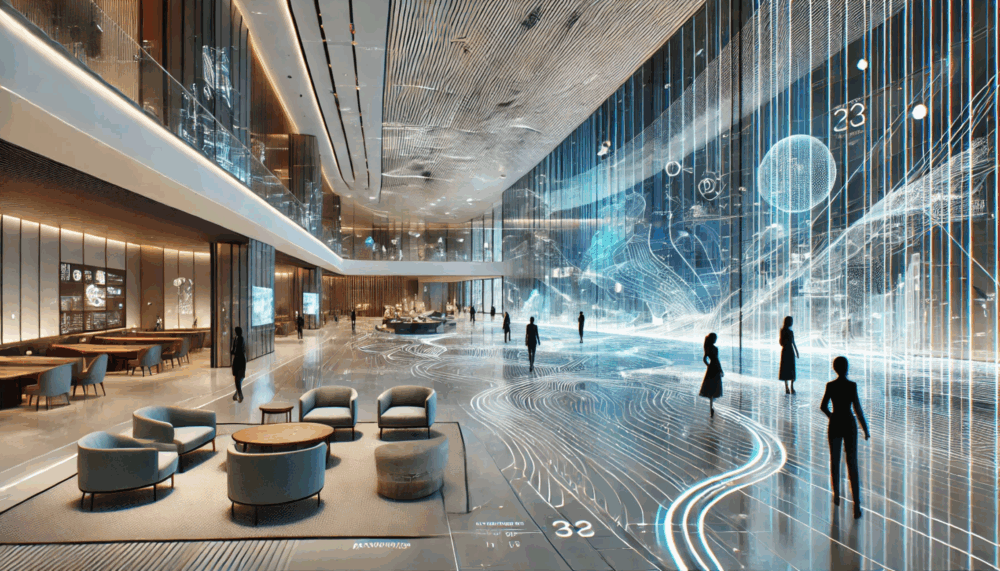
Creating a unified experience ensures that the digital and physical worlds blend smoothly. This starts with the design process. Interior designers and digital artists work together to ensure the visual language of the space matches the feel of the digital content. If a hotel features bold, contemporary furniture and vibrant colours, then its digital artwork should reflect those elements in tone and style.
AI-generated content is increasingly part of this blend. Artists use algorithms to generate artwork that evolves over time or responds to user input. For example, a projection in a hotel lobby might shift based on the number of people in the room or the weather outside. In guest rooms, displays might feature artwork that adjusts with the time of day.
The result is an environment that feels alive. Each moment offers a new visual impression. Guests feel they are part of a living space, not just temporary occupants. This connection enhances their emotional response to the space and strengthens brand loyalty.
Enhancing In-Room Experiences With Digital Art
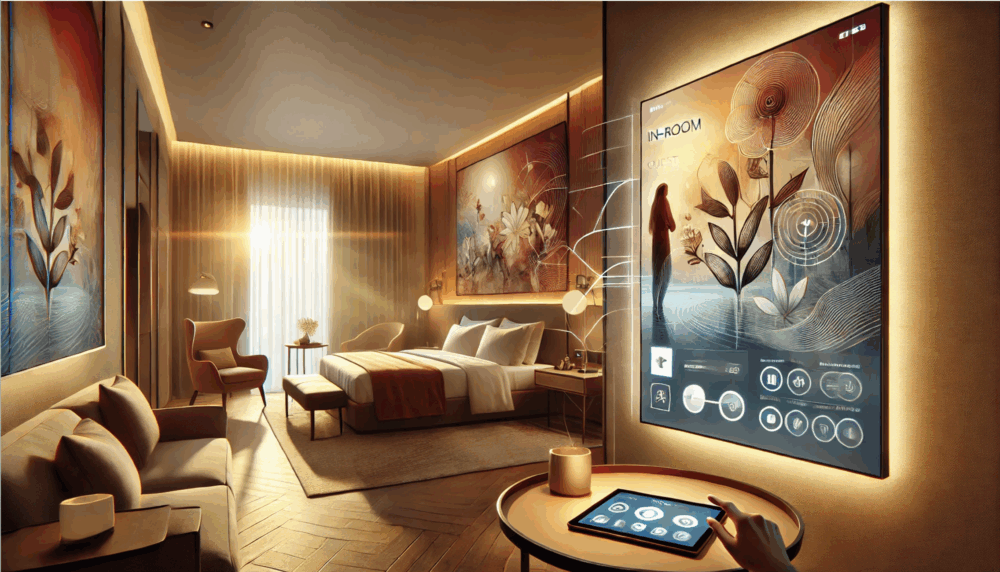
The guest room remains the core of any hotel experience. With the rise of digital art, these private spaces now offer more than just sleep and rest. Many modern hotels equip rooms with digital canvases that display a curated selection of rotating art. Some even allow guests to personalise the selection during check-in.
This interactive approach turns the room into a gallery. Guests may wake up to soothing natural landscapes or fall asleep surrounded by calming abstract visuals. These small design choices create deeper emotional connections and increase the likelihood of return visits.
Implementing Technology Without Losing Human Touch
While digital elements are impressive, the most successful properties maintain a balance. Technology should support the human experience, not replace it. Digital art and AI characters should feel like part of the story, not distractions from hospitality.
This requires thoughtful integration. Staff need to be trained to work alongside technology, not feel replaced by it. Digital tools should enhance service delivery, offer convenience and create delight. When this is done well, guests leave with a sense of connection to the space, to the staff and to the story the hotel is telling.
Guest feedback also plays an important role in shaping digital experiences. Hotels that gather insights from visitors can refine their art programmes and ensure technology enhances rather than overwhelms the experience.
MODERN ART HOTELS: WHERE DIGITAL DESIGN MEETS HOSPITALITY
The Next Chapter in Hospitality Design
The rise of AI-powered creativity and immersive design is still in its early stages. Hotels are only beginning to tap into what is possible. Future developments may allow guests to generate custom in-room decor or interact with large-scale projections that change based on mood or movement.
As tools continue to evolve, so too will guest expectations. Hotels that invest in digital artistry now are positioning themselves at the forefront of this shift. They are building spaces that speak to emotion, creativity and connection, qualities that elevate a place to more than just a destination.
Elevate the Guest Journey With Meaningful Digital Design
Today’s travellers are not just looking for a place to sleep. They want stories, memories and experiences that resonate. By blending digital art and AI character tools into their spaces, modern hotels can provide these moments with authenticity and originality.
The future of hospitality belongs to those willing to explore what lies beyond traditional design. Let your space reflect not only luxury, but imagination. Inspire guests to look again, engage deeper and return for more.