THE STAHL HOUSE: MODERNISM ABOVE LOS ANGELES, WHERE ARCHITECTURE MEETS THE CITY
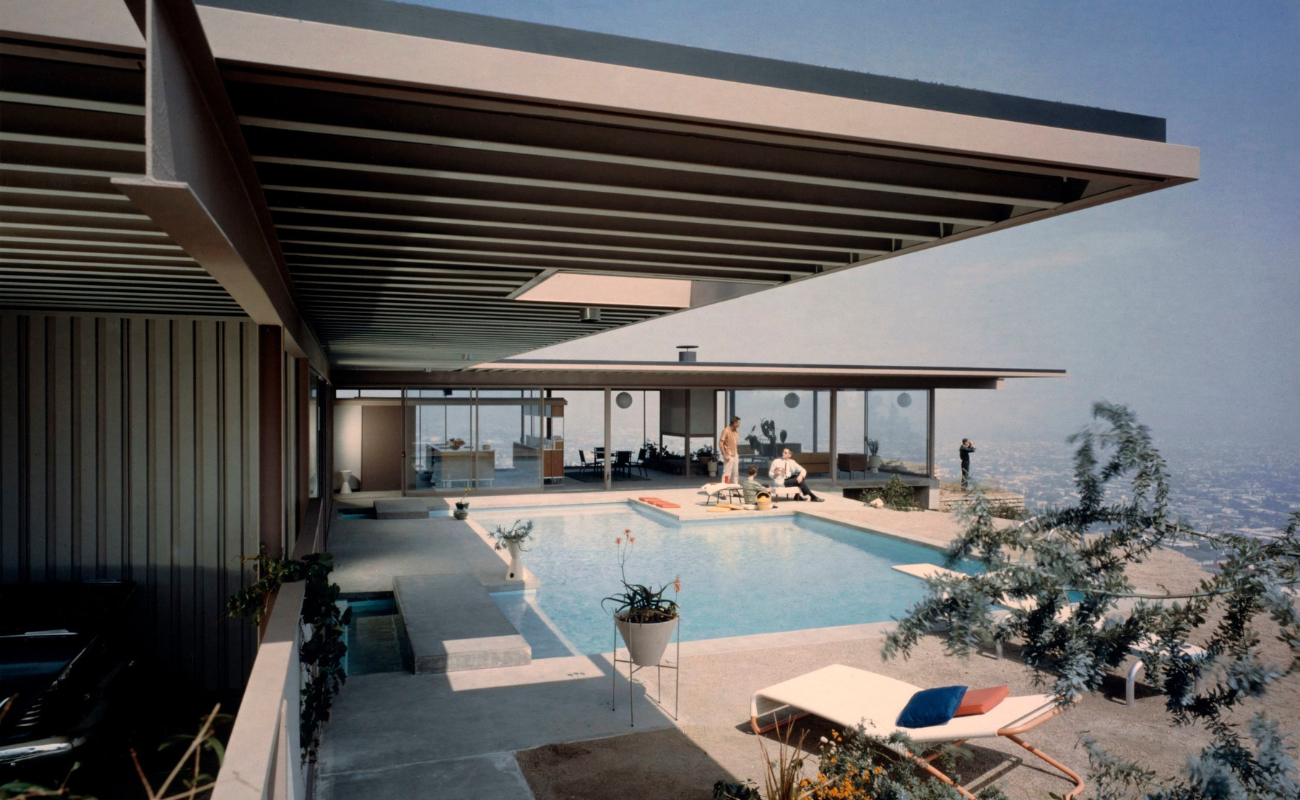
Perched on a precipitous ridge in the Hollywood Hills, Los Angeles’ Stahl House has long existed as both architecture and myth. Nearly eight decades after it was conceived, Pierre Koenig’s Case Study House #22 remains one of the most recognisable images of modernism ever built, a glass-and-steel pavilion suspended above the city, its transparency as radical now as it was in the 1950s.
Commissioned in 1945 by Arts and Architecture magazine as part of its influential Case Study House programme, the project emerged from a moment of urgency. America was bracing for a post-war housing boom, and the magazine challenged architects to imagine homes that could be efficiently built using industrial materials while offering a new way of living. Koenig’s response would become the programme’s most enduring work.
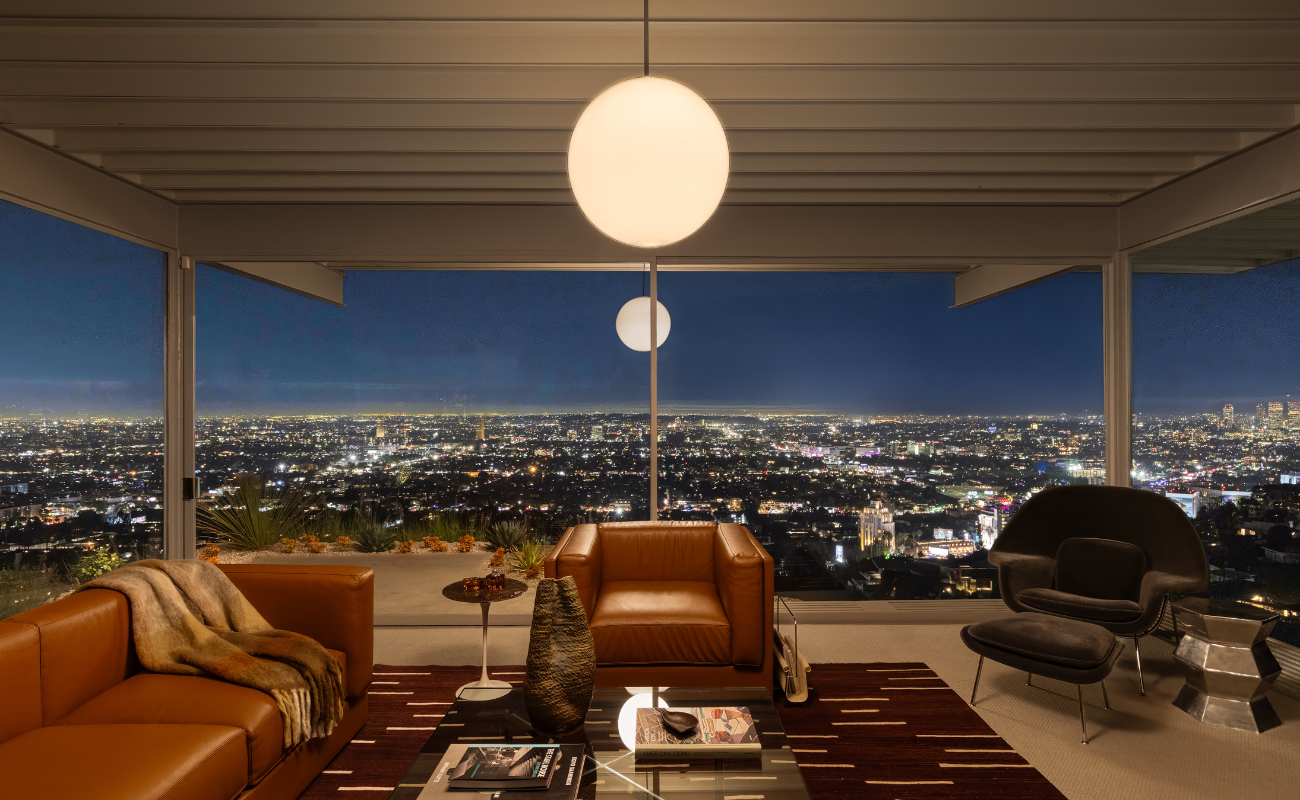
Completed in 1960, the Stahl House occupies a site that many architects had previously dismissed as unbuildable. Koenig’s solution was characteristically precise: a rectilinear steel frame, cantilevered dramatically over the hillside, anchored lightly to the terrain. Floor-to-ceiling glazing dissolves the boundary between interior and exterior, turning the house into a viewing platform for Los Angeles itself.
The plan is deceptively simple. An open living area, two bedrooms and a swimming pool are arranged in an L-shape around the edge of the hill. Yet the effect is extraordinary. At night, the city becomes a glittering carpet beneath the house, while the structure itself appears to float, held in place by engineering as elegant as the architecture it supports.
The house’s global fame owes much to a single photograph. Julius Shulman’s iconic image, showing two women in white party dresses conversing inside the illuminated living room, the city sprawling endlessly below, transformed the Stahl House into a symbol of mid-century modern aspiration. More than a piece of architectural documentation, the photograph captured a lifestyle: optimistic, effortless and future-facing. It has since become one of the most reproduced architectural images of the 20th century, often cited as the most famous modern house photograph since Frank Lloyd Wright’s Fallingwater.
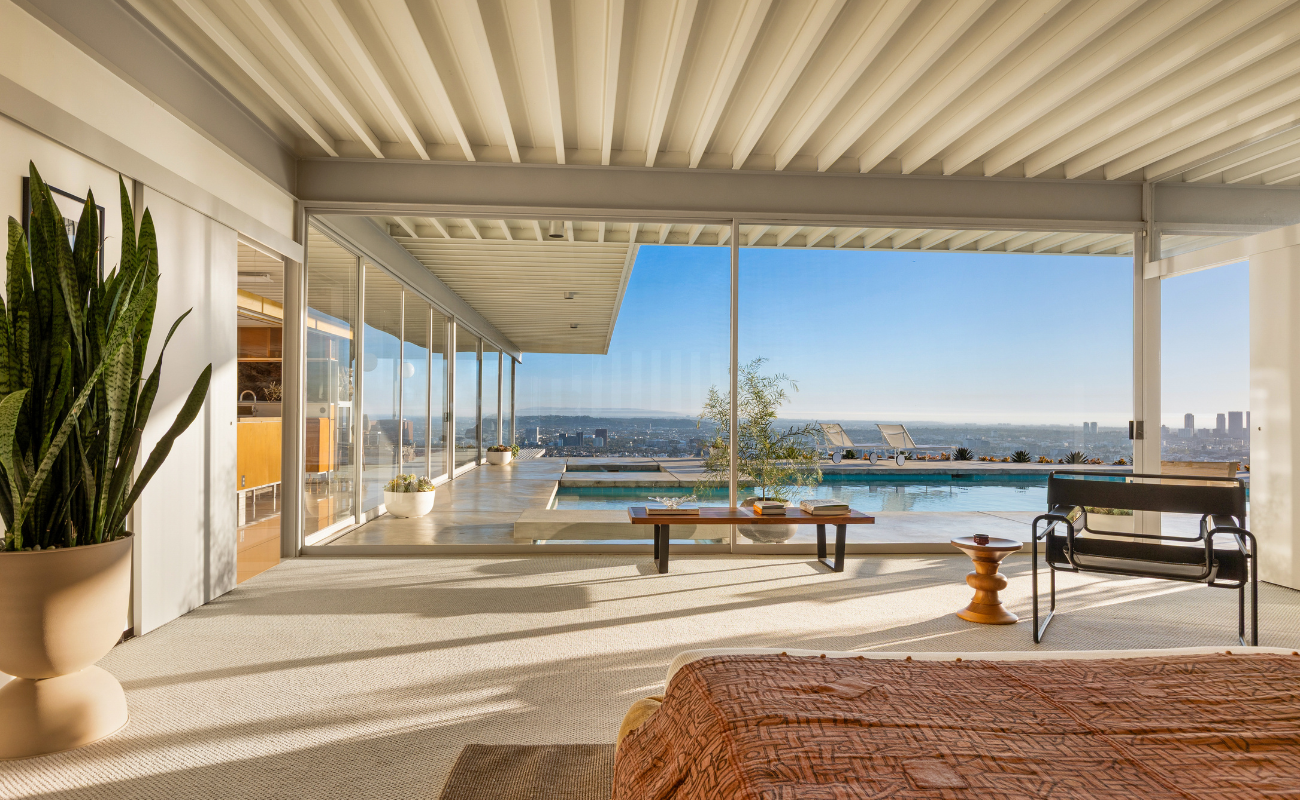
Beyond its visual impact, the Stahl House helped to define the ethos of Californian modernism. Its emphasis on openness, prefabrication and integration with landscape reflected a broader cultural shift toward informality and experimentation. Koenig’s use of exposed steel and standardised components demonstrated how industrial materials could be deployed with refinement and restraint, influencing generations of architects worldwide.
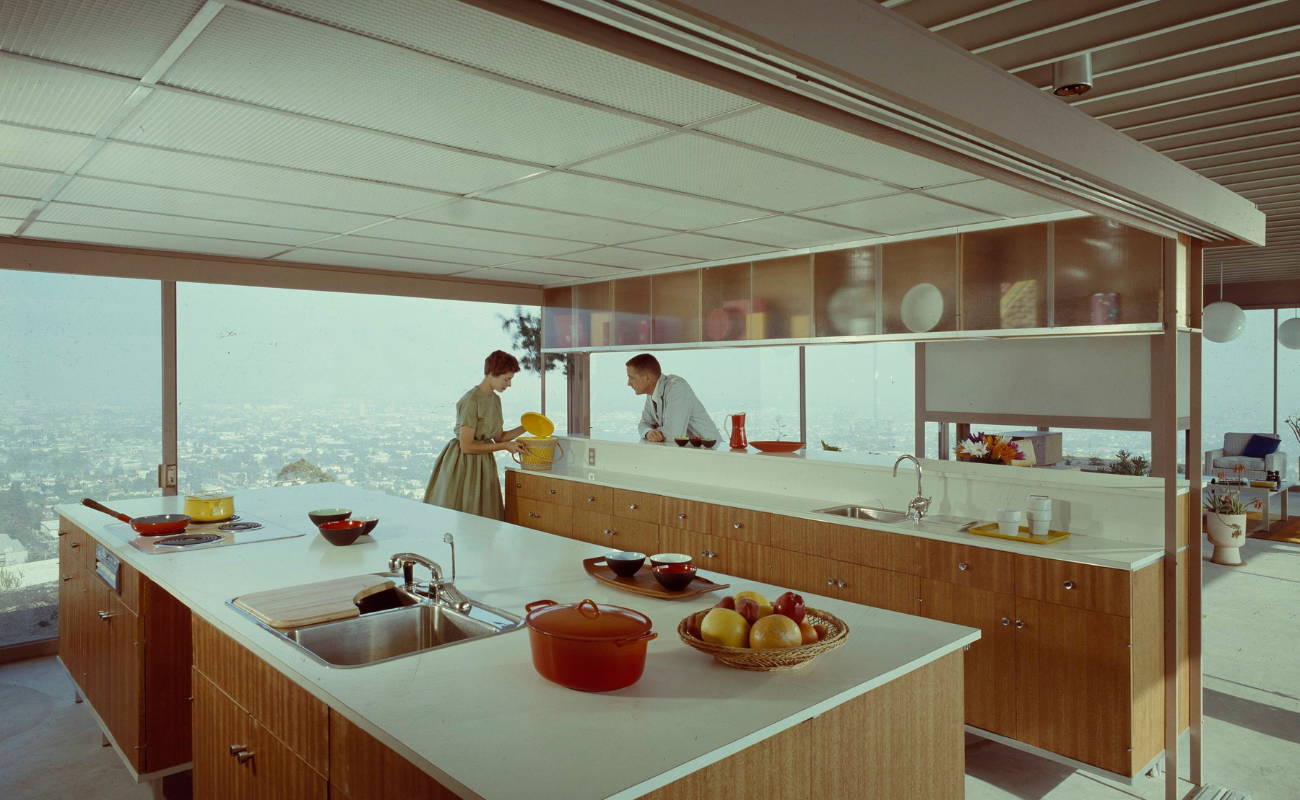
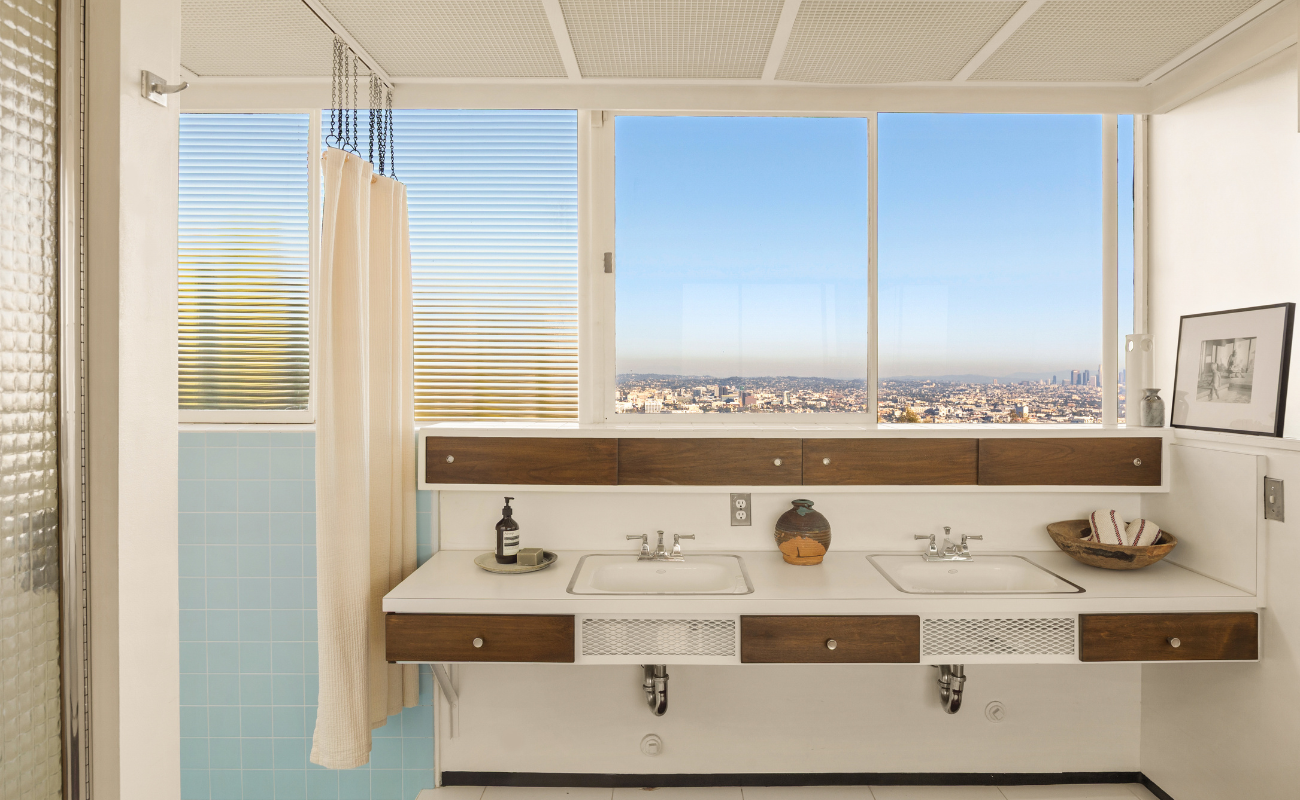
The house has remained remarkably intact. Owned by the Stahl family since its completion, it has been carefully maintained as both a home and a cultural artefact. Its status reflects this dual role: the property is designated a City of Los Angeles Historic-Cultural Monument and is listed on the National Register of Historic Places.
Now, for the first time in its history, the Stahl House has been placed on the open market, with an asking price of $25 million. The listing marks a rare opportunity to acquire not just a residence, but a cornerstone of architectural history,a building that exists simultaneously as a place to live, a work of art and a symbol of modernity itself.
In an era when contemporary architecture often struggles for clarity or conviction, the Stahl House remains uncompromisingly direct. It is a reminder that radical ideas, executed with precision, can endure far beyond their moment and that sometimes a single house, perfectly placed, can come to define an entire movement.