DAVID DREBIN: DREAMSCAPES AND DIAMOND DUST
In the glittering world of contemporary photography, few artists command the intersection of high glamour and emotional depth like David Drebin. Based in New York, Drebin has long been known for his cinematic, psychologically charged images—photographs that feel less like moments captured and more like stills from a dream you half-remember. His work lives in the rarefied air of luxury galleries, auction houses, and glossy editorials, having graced the pages of Vanity Fair, Rolling Stone, The New York Times Magazine, and Condé Nast Traveller.

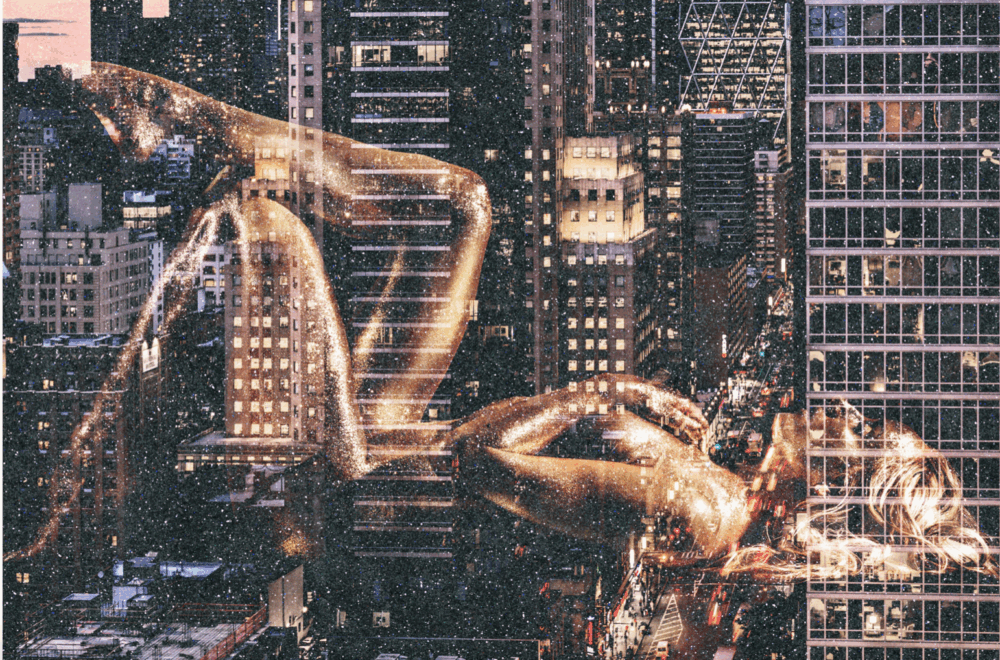
Drebin’s latest project, the ‘Diamond Dust Collection’, is perhaps his most dazzling yet—both literally and emotionally. Each piece is meticulously finished with diamond dust, a nod to Andy Warhol’s glamorous experimentation, but with a distinct Drebin twist. The crushed diamond coating gives his imagery an ethereal shimmer, adding an extra layer of fantasy and unreality. These are not just photographs—they are portals, polished to a gleam, each one flickering with the tension between beauty and melancholy, between illusion and reality.
In a creative career defined by wanderlust and visual storytelling, travel has always been one of Drebin’s most vital sources of inspiration. From the pulsing rhythm of New York City to the romantic haze of Paris and the neon-drenched mystery of Hong Kong, Drebin chooses iconic cities with care, not as backdrops, but as emotionally charged characters in his larger narrative universe. Each location carries its own set of cultural myths and emotional cues. Paris whispers of love, New York vibrates with ambition, and Hong Kong hums with enigmatic allure. Drebin weaves these threads into his work, creating images that are instantly recognisable yet entirely his own.
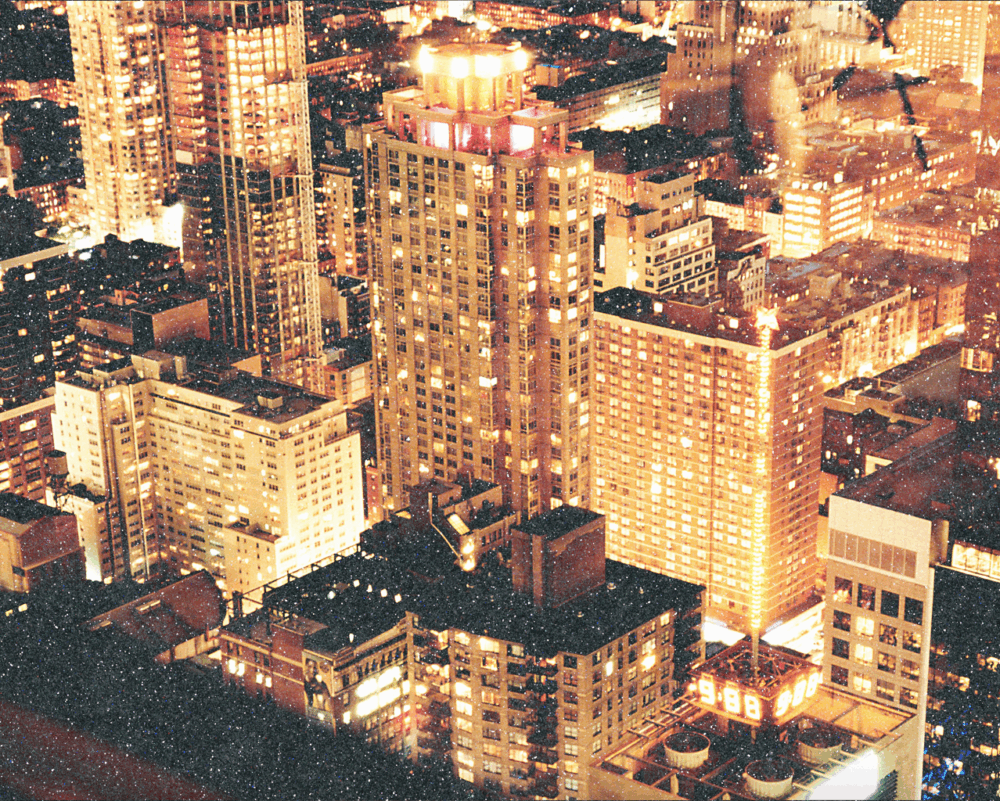
What defines Drebin’s practice isn’t just location—it’s emotion. Solitude is a recurring theme, embodied most frequently through the female form. His women are elegant, often isolated, suspended in moments of stillness against vast and uninhabited settings. Whether adrift in the ocean or perched atop a skyscraper, they project power and vulnerability in equal measure. These figures are less about realism and more about emotional archetypes: longing, strength, desire, and reflection. They speak to universal feelings, cast in ultra-high-definition and finished with a sparkle that invites closer inspection.
This cinematic quality is no accident. Drebin doesn’t simply take photographs—he makes them. Every image is a meticulously composed narrative, a visual echo of a larger story. He approaches photography with the mindset of a filmmaker, designing light, composition, and emotional tone with precision. Yet, for all his planning, Drebin insists on spontaneity. When he travels, he spends the first day walking without a camera, absorbing the emotional rhythm of the place. Only then does he begin to shoot, allowing intuition to guide his lens.
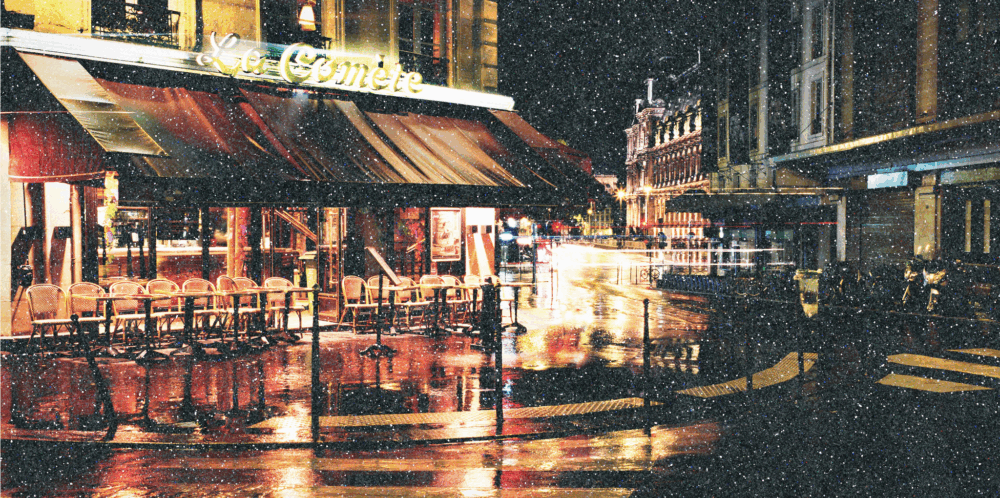
His creative rituals are as romantic as his images. Drebin builds personal soundtracks for each city—sometimes orchestral, sometimes ambient, often electronic. These musical landscapes help him access emotional states that align with the locations he visits. It’s an immersive, multi-sensory process. The results are images that don’t just show a place—they feel like the place.
While global cities like Berlin, Tokyo, and Tel Aviv continue to shape his vision, it’s lesser-known destinations that often linger in his imagination. Medellín, for instance, left a profound impression. The Colombian city’s twinkling hillsides and elusive energy were too delicate to capture at the time—yet those visual memories continue to echo through his work. Similarly, he speaks of Rio de Janeiro as a place where nature and urban life entwine in a way that feels both grounded and otherworldly. He’s drawn to places where light does strange things—where time bends and reality softens.
One destination still on his creative wishlist is Morocco. The endless dunes of the Sahara, he says, embody the emotional dualities that fascinate him most: movement and stillness, permanence and transformation. In the undulating sands and shifting light, Drebin sees metaphors for human experience—fleeting, shimmering, but somehow eternal.
Cultural observation, too, plays a key role in how Drebin frames his stories. He’s acutely aware of how different audiences interpret his work. While Western viewers might find a photo melancholic, Asian audiences often perceive it as hopeful or romantic. These cultural translations enrich his understanding of his own images, reminding him that a photograph’s power lies not only in its composition, but in the emotional resonance it triggers in the viewer.

Drebin’s process is rooted in intention but fuelled by openness. He balances vision with discovery, control with surrender. Some of his most iconic images have come from moments when the plan dissolved, and the place itself revealed something better. That philosophy—of—making space for the unexpected—guides both his travel and his art.
And as he prepares for the release of I ❤️ New York, a love letter to the city that launched his career, Drebin shows no signs of slowing down. The upcoming book promises another deep dive into the emotional topography of a city that, like Drebin’s own images, never stops shifting under the weight of memory and meaning.
For creatively minded travellers, Drebin offers a simple but powerful piece of advice: Don’t take photographs. Make them. Don’t just document the world as it is—create images that capture how it feels. It’s this approach, both deeply emotional and impeccably crafted, that keeps David Drebin’s work at the forefront of contemporary visual culture. His photographs may sparkle with diamond dust, but their true brilliance lies in the stories they leave untold, waiting for the viewer to fill in the blanks.
DAVID DREBIN: DREAMSCAPES AND DIAMOND DUST