Framing Modern Living: The Role of Aluminium Windows in Contemporary Design
It is about light and framing, about view and connection to the outdoors. When this symbiotic relationship comes together in the modern world, it comes in glass and framing systems. Aluminium windows and doors are the backbone of present-day architecture, shaping not only what a building looks like but how it feels as a functional element. Working alongside companies such as Aluprof, the future architect and designer is rethinking what it means to live in a modern world.
A Material That Redefined Architecture
Aluminium transformed architecture in the 20th century, and its impact continues today. Unlike timber, it doesn’t require constant care and restaining. Unlike steel, it doesn’t rust. It combines strength with lightness and flexibility. This is why modern design favours larger and larger pieces of glass — because aluminium provides a structure that is both unobtrusive and strong. With smaller sections, designers, architects and builders can create sleek windows and doors that not only look good but do good too.
In modern home and commercial design, this look is never superficial. People crave transparency. We want to be connected to the world outside. When we build, we need to do so responsibly. Aluminium windows and doors allow us to create interiors that seem boundless, full of light, places where inside and outside meet and flow. Made with the best and strongest aluminium and materials, they will last for a generation. And let you have all of nature to yourself.
Light as a Design Tool
In both the art world and the world of architecture, light is a material. It alters the space and, in doing so, impacts mood, productivity and even health. Window technology has advanced to the point that architects can now use them as a sculptural tool — with cityscape, gardenscape, or even seascape compositions literally framed and hung on our walls.
Aluminium windows are slim enough to host big panes of glass without the stuffiness of steel. We are seeing architects partition spaces throughout buildings in a processional sequence of the sun’s daily cycle. Because they can and because it is beautiful, morning light input is maximised in a kitchen, and the room for sunset framed in the living room window.
Hotels and cultural buildings across Europe are building transparency into their design in a way that blurs the line between the built and the natural world. Guests are given the luxury of all-day light and experiences that cannot be forgotten. Design is less of a static object — it’s a feeling.
Sustainability Meets Style
With the climate emergency forcing every industry to reprioritise materials, aluminium stands out. It’s one of the few that can be recycled over and over. When combined with energy-efficient glazing, it creates windows that can reduce the energy consumption of a building by helping it to hold in heat or air conditioning.
For designers and architects looking to create a space that both looks good and is good for the environment, aluminium windows deliver that urban design purpose. This is apt for many city buildings in an era when we need to reduce our power consumption to stay in line with guidelines and regulations.
Flexibility for Creative Expression
Aluminium can be used in highly creative ways. It can be fashioned into sharp lines on the sides of buildings or transformed into curves of floor-to-ceiling glass. Essentially, it can be utilised in almost any building style and suits most substances. This is why up-to-date living spaces, contemporary office buildings, or renovated old buildings can all benefit from using bespoke-designed aluminium systems.
Aluprof, for example, offers bespoke solutions that allow architects to realise their most ambitious visions without compromising on safety or performance. Acoustic insulation, thermal efficiency and security can all be engineered into frames, enabling spaces that are as functional as they are beautiful.
Interiors That Flow Seamlessly
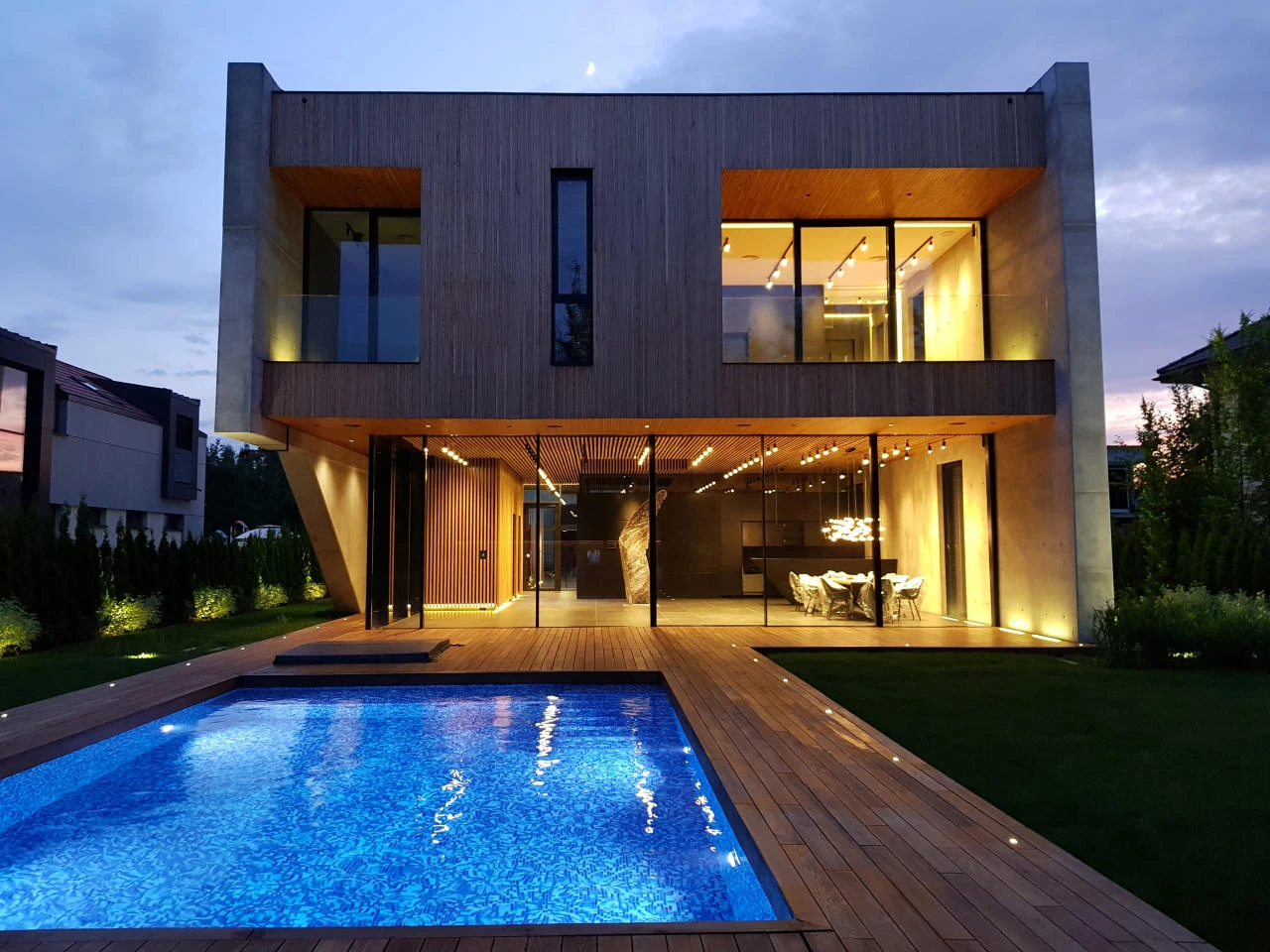
Modern living involves striking a natural balance between indoor and outdoor space. Massive sliding glass doors and sweeping windows are quickly becoming signatures of luxurious living, with gardens, patios and balconies spilling gently onto an interior scene.
Home buyers in the UK are increasingly taking the outdoor lifestyle into consideration and are seeking ways that this lifestyle can translate into how their homes are designed. Even our unpredictable climate can be enjoyed while keeping the inside, inside. The latest collections of bi-fold, patio and multi-fold doors are both eye-catching and practical; often manufactured in aluminium with the most efficient insulation and sealing available, they prove that you don’t have to compromise.
An Artistic Frame for Modern Cities
Cities are galleries in their own right, filled with architectural statements. The framing of views, whether of historic landmarks or modern skylines, has become a form of public art. Aluminium windows and façades allow architects to treat the city itself as part of the composition, creating buildings that engage with their surroundings rather than simply occupying space.
In this sense, aluminium framing is not just a construction choice but an artistic gesture. It acknowledges that people do not live in isolation but in dialogue with the environment around them.
Looking Ahead: Aluminium and the Future of Design
The power of aluminium to adapt will grow as we invent new uses for it. It could become the material behind smart glazing, assisting automation to control light, temperature and visual appearance. Designers are already proposing skins that respond to conditions, evolving as an outer layer, not an outer shell.
It will be the combination of creativity, sustainability and technology that will reflect the way that the world is changing. For aluminium windows and doors, no longer silent parts of the design process, they will have their time in the limelight. They are the part of the structure that we see through and will increasingly understand as the part of the structure that we believe in.
Framing Modern Living: The Role of Aluminium Windows in Contemporary Design