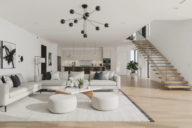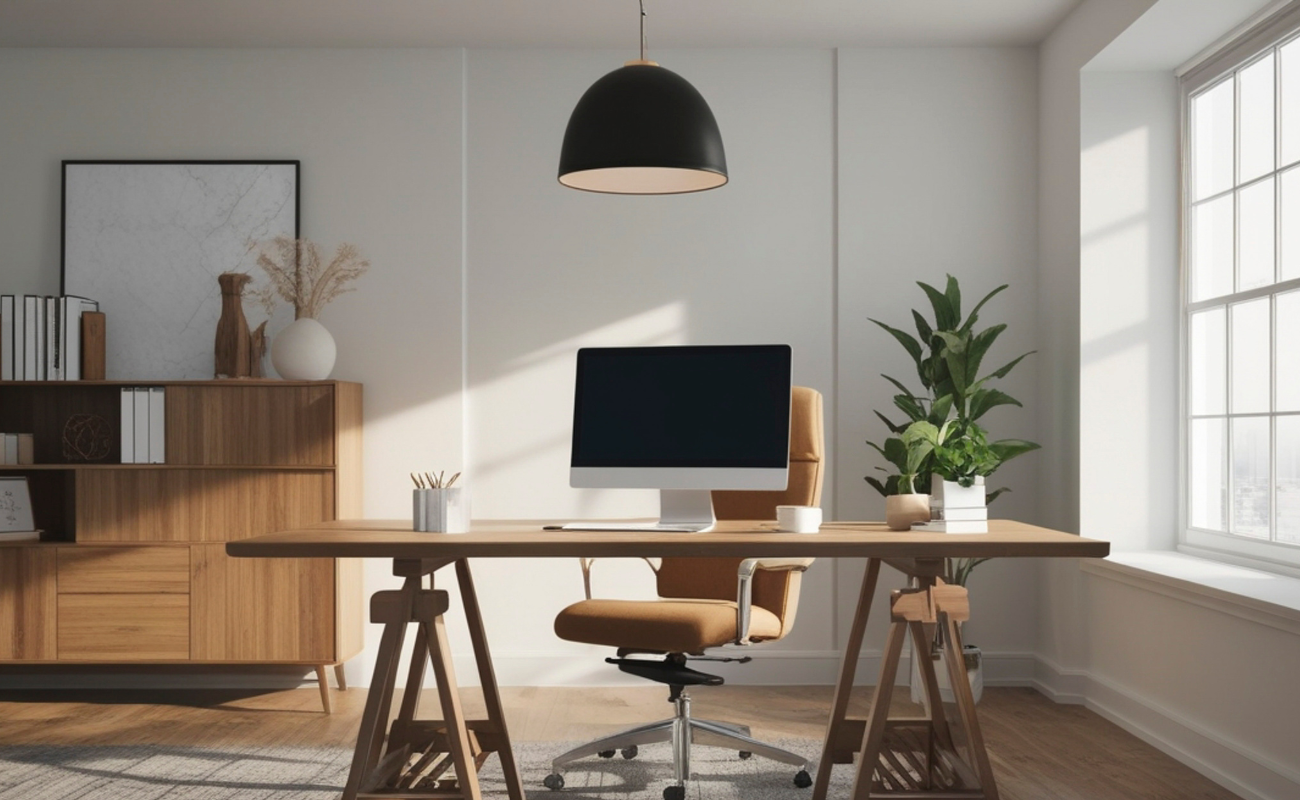
The homes of artists, photographers, designers, and writers tend to share a quality that is difficult to name but easy to feel. They are spaces that have been thought about not in terms of trends or resale value but in terms of how a room functions at nine in the morning versus four in the afternoon and what it feels like to spend hours inside it. Light and texture are the two most consistent tools creatives reach for when shaping a home that works.
How Homes Become Studios
For a significant proportion of creative practitioners, home and studio are the same place. A painter needs consistent north light; a photographer needs to understand how sunlight shifts across a wall at different hours; a writer or designer needs a space that feels visually calm enough to sustain concentration for long stretches. This dual function changes how creatives approach every decision about a room. The orientation of a desk, the height of a shelf, the material of a blind: each becomes part of the working environment rather than simply the décor. Rooms are arranged around the light rather than the furniture, and natural daylight becomes the primary consideration in how a space is used throughout the day.
Why Light Matters More Than Ever
Access to good daylight is no longer treated as a passive benefit of a well-positioned window. Creatives who work from home have come to understand it as something to be actively managed, something that changes in quality and direction across the day and that needs to be responded to rather than simply admitted. Research published by the Town and Country Planning Association found that inadequate natural light in the home is associated with measurable declines in wellbeing, reinforcing what many who work in visually demanding disciplines have long understood intuitively. Good daylight design, the thoughtful placement of windows, the choice of window treatments, and the arrangement of a room around its light source support both mood and sustained creative focus in ways that artificial lighting alone cannot replicate.
Wood, Fabric and Tactile Surfaces
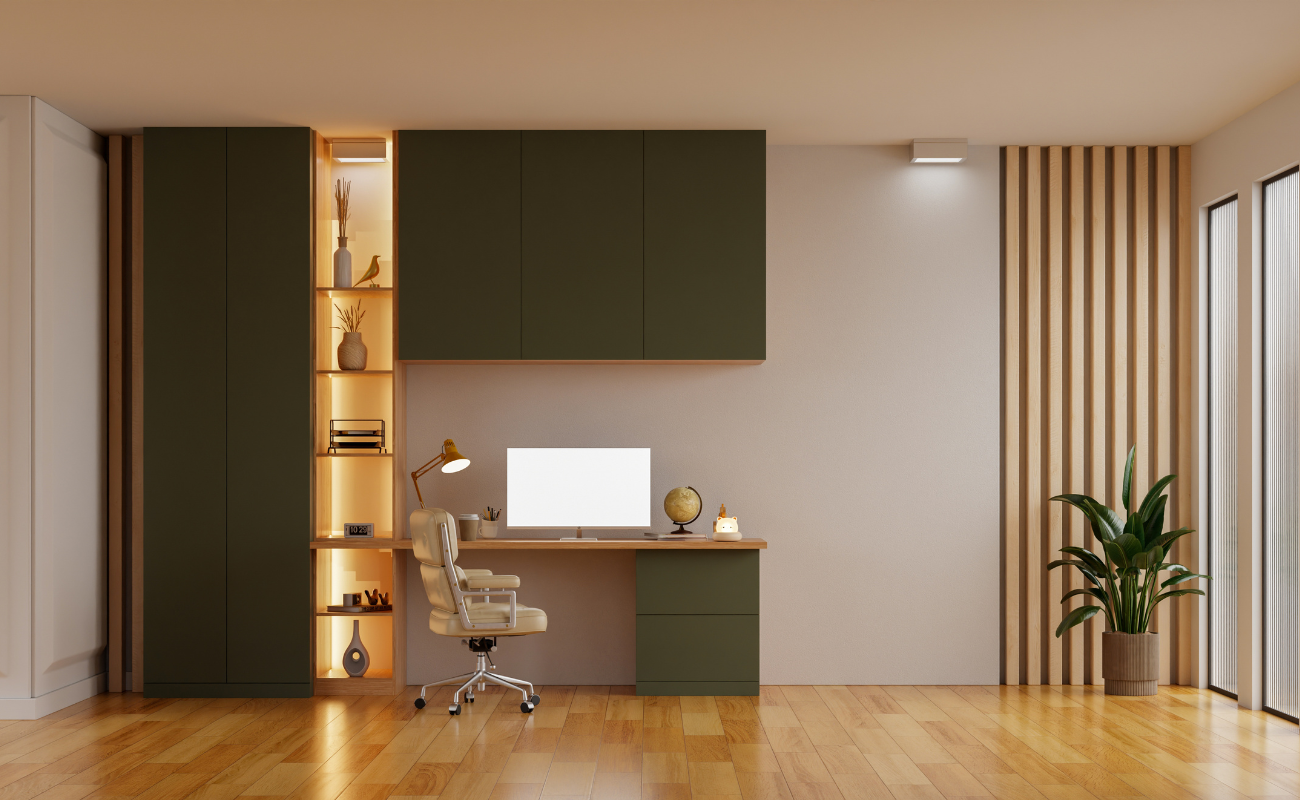
Texture has become the defining language of considered interiors in recent years, and creatives have long understood why. A room built from smooth, hard, uniform surfaces tends to feel clinical; one that layers linen, stone, timber, and fabric has a quality of depth that makes it easier to inhabit for long periods. Natural materials ground a space in a way that synthetic alternatives rarely achieve. Adjustable wooden blinds that sit flush with the frame and allow fine control over the angle of incoming light serve a dual purpose in a creative home: they filter glare without diminishing warmth, and their grain and tone contribute to the material character of the room rather than interrupting it. This instinct is reflected in broader UK interior trends; the 2025 Houzz UK Emerging Trends Report found searches for “wood beams” up nearly 3.5 times year on year, with strong rises in oak kitchens, wooden slat walls, and wood panelling, a clear signal that material honesty and warmth are driving how UK homeowners are choosing to live.
Controlling Light Without Killing Atmosphere
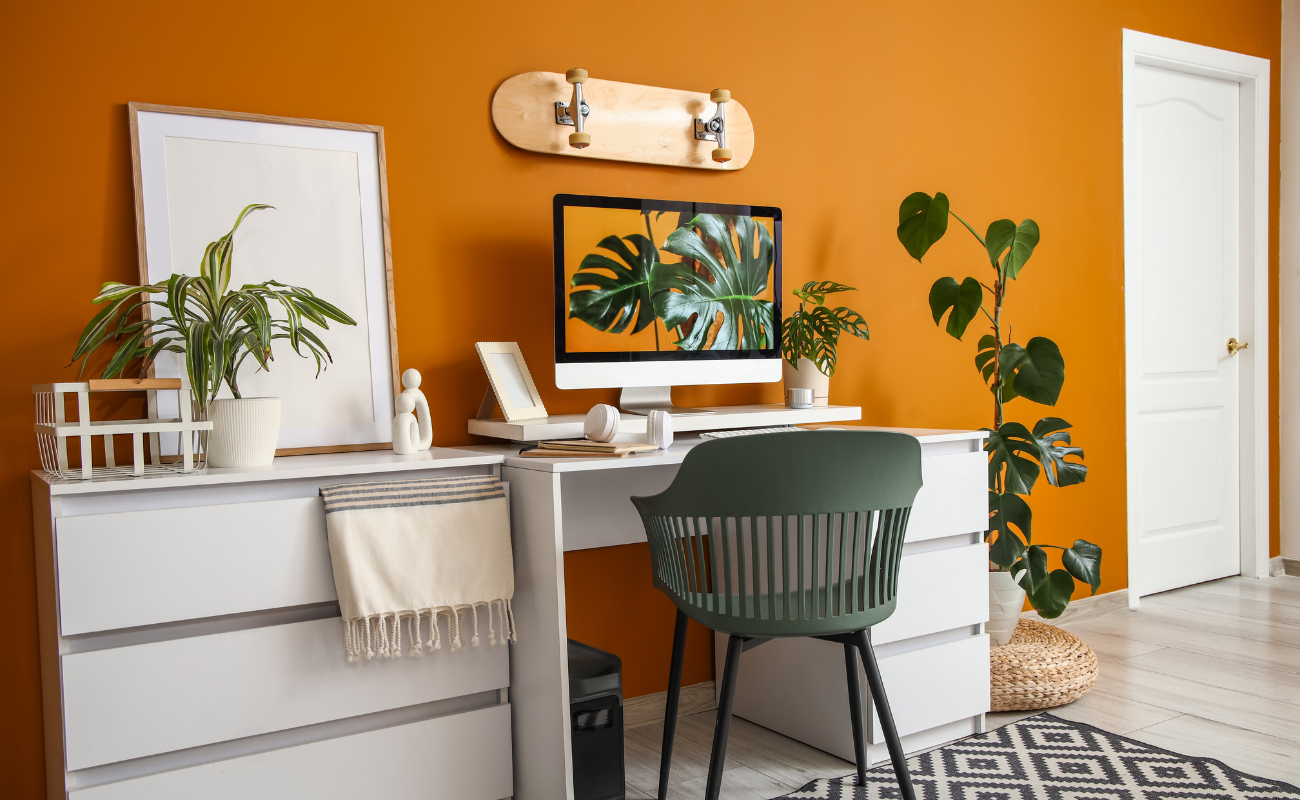
The challenge most creatives face is not how to let more light in, but how to manage it without flattening the room. Direct midday sun bleaches colour and creates harsh contrasts; total darkness removes the sense of spatial depth that makes a room feel alive. The solution tends to involve layering: sheer fabric that diffuses rather than blocks, adjustable window treatments that can be angled to redirect rather than eliminate light, and a willingness to move around the room as conditions change. A painter might work by the window in the morning and pull back from it by early afternoon. A designer might use a blind to soften the south-facing glare on a screen while keeping the warmth of a low winter sun in the room. Light management in a creative home is less about achieving a fixed setting and more about maintaining the ability to respond.
Creatives tend to make visible what most homeowners leave to chance. Their approach to light and texture is functional, considered, and specific to how they spend their days. For anyone who works with their hands or eyes at home, these principles are worth borrowing.