How Regional Colours Shape the Mood of Modern Interiors
Colour lands before anything else does. The palette registers the moment you walk in: before furniture, before proportion, before anything consciously noticed. What works in one region feels wrong in another. Coastal light produces different hues from moorland. Moorland produces different hues from forest. Those differences matter when choosing landscape paintings for contemporary interiors. Ignoring them is why rooms end up feeling assembled rather than considered.
Designers who work with place-based colour produce spaces that hold together. Trend-led choices rarely achieve the same result. The hues a landscape generates are specific. So is the mood they carry indoors.
Why Regional Colour Palettes Matter in Interior Design
Muted greens and greys from the Scottish Highlands calm a room down. Mediterranean ochres and terracottas, pulled from dry hillsides and rural light, push energy upward. The same palette that opens a space in one context makes it feel oppressive in another. Context decides everything.
Designers who get this right do not guess. They photograph specific outdoor scenes. Colour samples come from local lakes and hills, not from a swatch book. Those samples become the starting point for paint, upholstery, and art selection. The greys, slates, and water-blues visible through a Lake District hotel window end up on the walls and in the artwork inside. Cohesion comes from observation, not from trend.
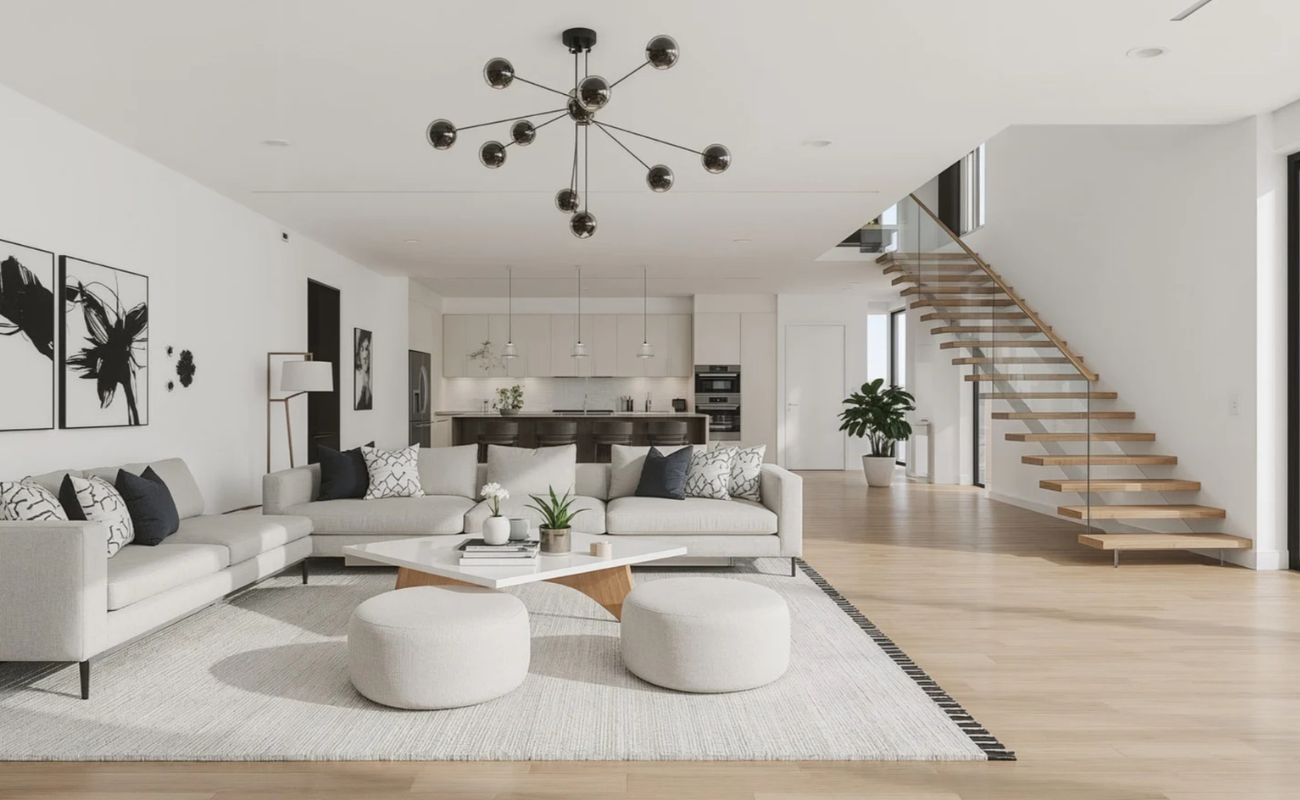
For buyers and designers researching landscape paintings with a genuine sense of place, DK Macleod shows how regional colour can sit with furniture, light and architectural surfaces before the work reaches the wall. Seeing that in a staged setting removes guesswork from a decision that is easy to get wrong from a product page alone.
Hospitality projects increasingly commission local artists rather than sourcing from general art suppliers. The practice is rooted in a specific landscape. The result hangs on a hotel wall and mirrors the exterior view. Guests are placed visually in the location before they step outside. Every colour decision in those spaces refers back to the same source.
How Landscape Paintings Translate Regional Colour into Interior Mood
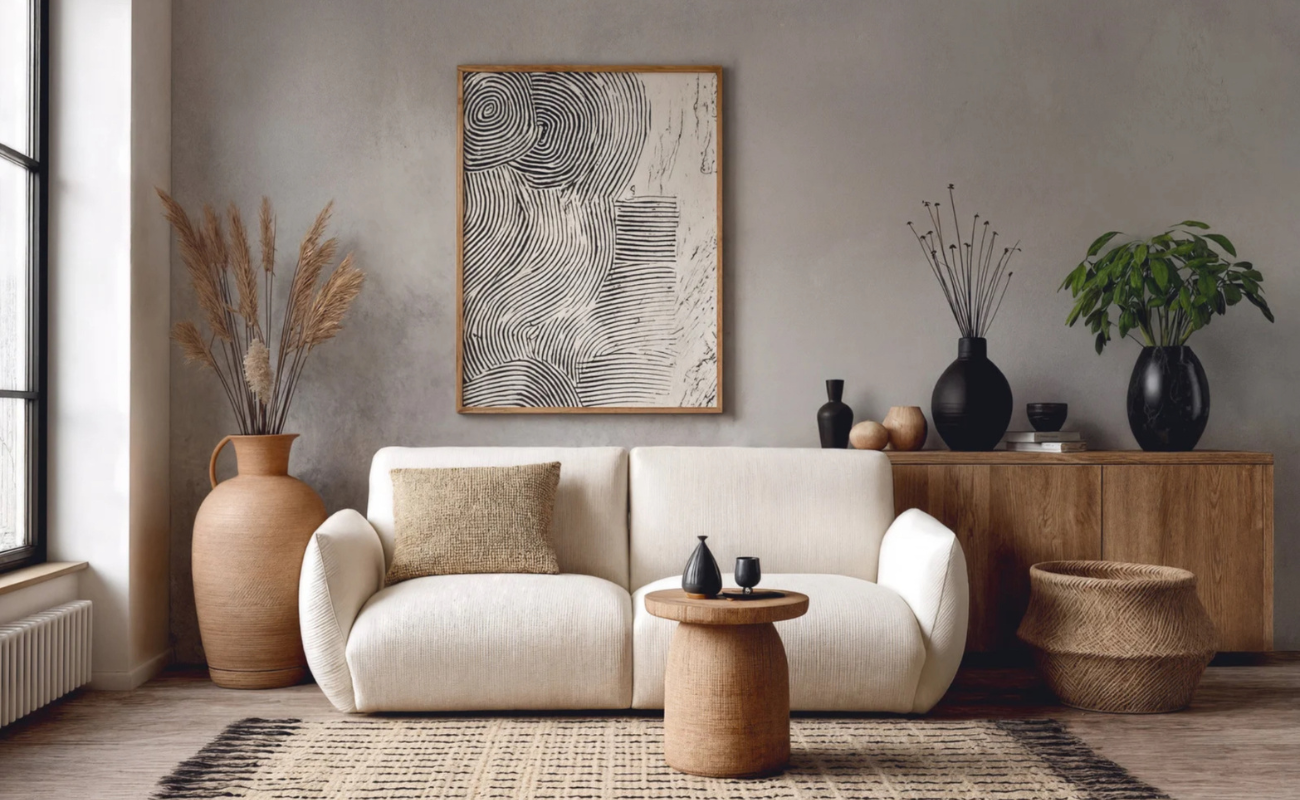
A landscape painting does more than fill a wall. It sets the tonal register for everything around it. Coastal blues and whites bring calm. Bedrooms and lounges where rest is the point respond to them well. Moorland and forest palettes carry depth and earthiness. Open-plan living areas that need visual weight and connection to the natural world absorb those tones without resistance, because colour shapes interior mood before anyone starts analysing the room. Industrial greys and warm brick in an urban landscape reinforce loft conversion architecture rather than competing with it.
One work. Different rooms. Different effects. A balanced regional palette sits in a classic interior, a modern one, or a rustic one without forcing a stylistic conflict. Seasonal light shifts the reading further. A snowy moorland painting brings winter stillness. Same wall, same frame, different image: a summer coastal view reads as bright and open. That range of mood within a single category of artwork is why landscape paintings appear in hospitality spaces, offices, homes, and commercial environments without looking out of place in any of them.
Boutique hotels and inns use landscape art to build a visual narrative. Not decoration. A Scottish inn with Highland paintings is placing guests in the landscape before they step outside. Restaurants favour warm earthy palettes from rural or agricultural scenes because those tones support appetite and comfort. The selection is purposeful.
Practical Application in Small Spaces
Compact rooms feel closed in. Art selection addresses this directly. In small spaces, one large landscape painting can substitute for physical depth that is not there. Works with open skies or expansive coastal horizons push the walls back visually. Small living areas read as larger than they are when the right painting is on the right wall.
Light-toned paintings brighten tight rooms. Dark forest scenes do the opposite and can make a small space feel enclosed. Those heavier palettes belong in larger rooms where floor area absorbs the visual density of the art. Frame choice matters too. Clean lines and neutral colours keep the focus on the painting’s regional palette rather than its boundary.
Too small for the wall and a painting loses impact entirely. It floats, disconnected. Too large and it overwhelms. In compact rooms, one statement work consistently outperforms a cluster of smaller ones. The eye settles. The room organises around it. The regional palette does its work without competition from anything else on the wall.
Selecting Landscape Art for Specific Interior Functions
At home, selection becomes personal. A colour-rich piece in a communal living room serves energy and conversation. Quieter scenes suit bedrooms and studies where the room’s purpose is rest or focus. Neither is wrong. Function guides palette rather than preference alone.
Offices gain from neutral, horizon-focused landscapes. An open seascape or softly lit moorland painting gives the eye somewhere to rest without creating distraction. Gentle visual rest supports art in the workplace in a way high-contrast or abstract art does not always manage. Commercial interiors are treating landscape art less like a finishing touch and more like part of how a space is meant to feel.
Several UK hotel chains curate landscape collections by region and give guests in-room context about the works and their origins. The engagement goes beyond decoration. Guests understand what they are looking at, where it comes from, and why it is on that particular wall. The artwork becomes part of the experience of being somewhere rather than incidental to it.
Display Considerations for Maximum Impact
Hanging height decides whether a painting anchors a room or disconnects from it. Centre of the work at approximately 145 to 150 centimetres from the floor puts it at eye level for most viewers and places it in relationship to the furniture below rather than hovering above it.
Sunlight draws out depth and colour intensity but causes colour fading over time. Direct exposure is worth avoiding. North-facing rooms offer diffused, consistent light and generally preserve colour and texture better than south-facing walls. A spotlight angled toward the painting rather than positioned directly above produces cleaner results than overhead lighting where natural light is limited.
Frames set the visual boundary and should support the painting rather than compete with it. Oak frames pair with earthy moorland and rural tones. White or pale grey frames suit coastal palettes and keep blues and whites dominant. Wrong frame choice reduces the impact of the regional palette and works against the mood the painting was chosen to create.
Emerging Trends in Landscape-Inspired Interior Colour
Origin matters to buyers now. Where a work comes from, who made it, what specific landscape it reflects. That used to feel niche. Now buyers ask where a work comes from, who made it and what place it carries into the room.
Plein air painting feeds directly into this. Work made on location carries something studio painting produced from reference rarely does. The light of that specific place at that specific time. The scale of it. The particular quality of a grey sky over a particular stretch of coast. That presence reads differently in an interior. It is part of what buyers are registering when a painting feels right for a space without being able to explain exactly why.
Regional colour works because it brings a room back to something specific. A coast, a moor, a line of hills, a grey sky held in one place long enough to become part of the wall. That is why a well-chosen landscape painting does not fade into the background after the first week. It keeps giving the room a centre. Not loudly. Quietly. And usually, that is what makes the space feel considered rather than filled.