DIB Bangkok Opens With an Exhibition That Makes the Invisible Feel Tangible
For more than 30 years, DIB Bangkok existed as an idea before it became a reality. Conceived as a museum that explores humanity, spirituality, and the unseen connections that bind us together, the museum’s opening exhibition, (In)visible Presence, sets the tone for what promises to be one of Thailand’s most thought-provoking cultural destinations.
Dedicated to the late Petch Osathanugrah, whose vision helped shape the museum, the inaugural exhibition brings together 40 pioneering artists from around the world, many of whom are showing their work in Thailand for the first time. Rather than simply presenting objects to admire, the exhibition encourages visitors to experience art through sound, scent, light and memory, creating encounters that are as emotional as they are visual.
Throughout the galleries, ordinary materials become extraordinary. Furniture, cookware, clothing and medicinal objects are transformed into vessels for exploring loss, ritual and the spiritual. The result is an exhibition that invites visitors to slow down and discover meaning in the things often overlooked.
Many of the works deliberately play with perception. Monumental sculptures reveal themselves to be made from surprisingly fragile materials, while familiar forms trigger half-remembered emotions, from sunsets and family rituals to the sensation of being watched. It is an exhibition built around second glances, where the invisible gradually comes into focus.
Standout works
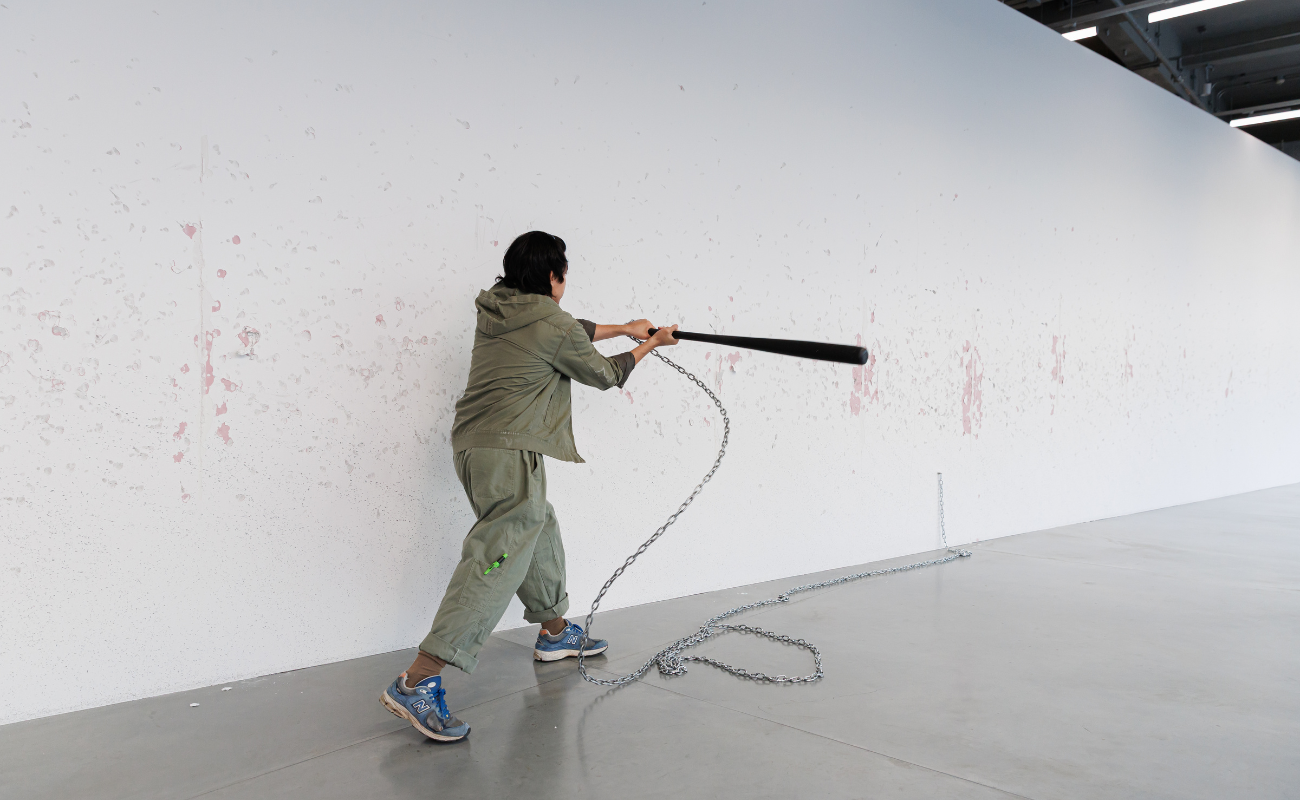
Constellations (2015-2025) by Marco Fusinato.
One of the most unforgettable moments comes almost immediately. As you enter, Marco Fusinato’s Constellations delivers a sensory jolt that is equal parts surprising and unsettling. At first glance, it appears to be nothing more than a plain white wall with a baseball bat hanging nearby, but visitors are encouraged to strike its surface, unleashing an explosive burst of sound that ripples through the building. The vibration is felt as much as heard, catching first-time visitors completely off guard and setting the tone for an exhibition that constantly challenges perception. With every impact, new marks accumulate across the wall, turning individual acts into a collective record that slowly transforms the artwork over time. On our visit, we witnessed a visitor stumble in shock.
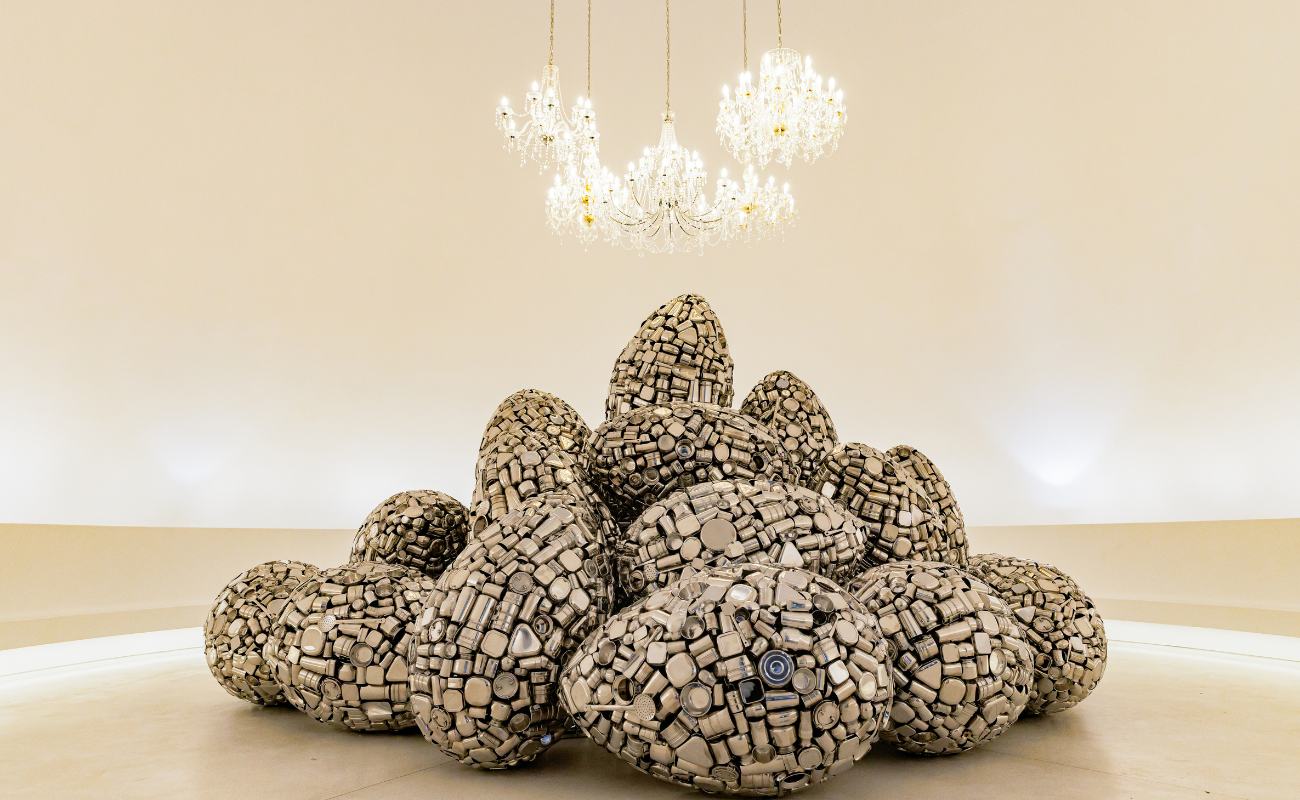
Subodh Gupta, Incubate (2010)
One of the exhibition’s most striking installations sees glittering crystal chandeliers suspended above clusters of stainless steel Indian lunchboxes, or dabbas, arranged like oversized eggs waiting to hatch. By combining symbols of luxury with everyday objects used by Mumbai’s famous dabbawalas, Subodh Gupta creates a meditation on family, labour, consumerism and postcolonial identity. The work suggests that even the most ordinary objects carry the potential for transformation.
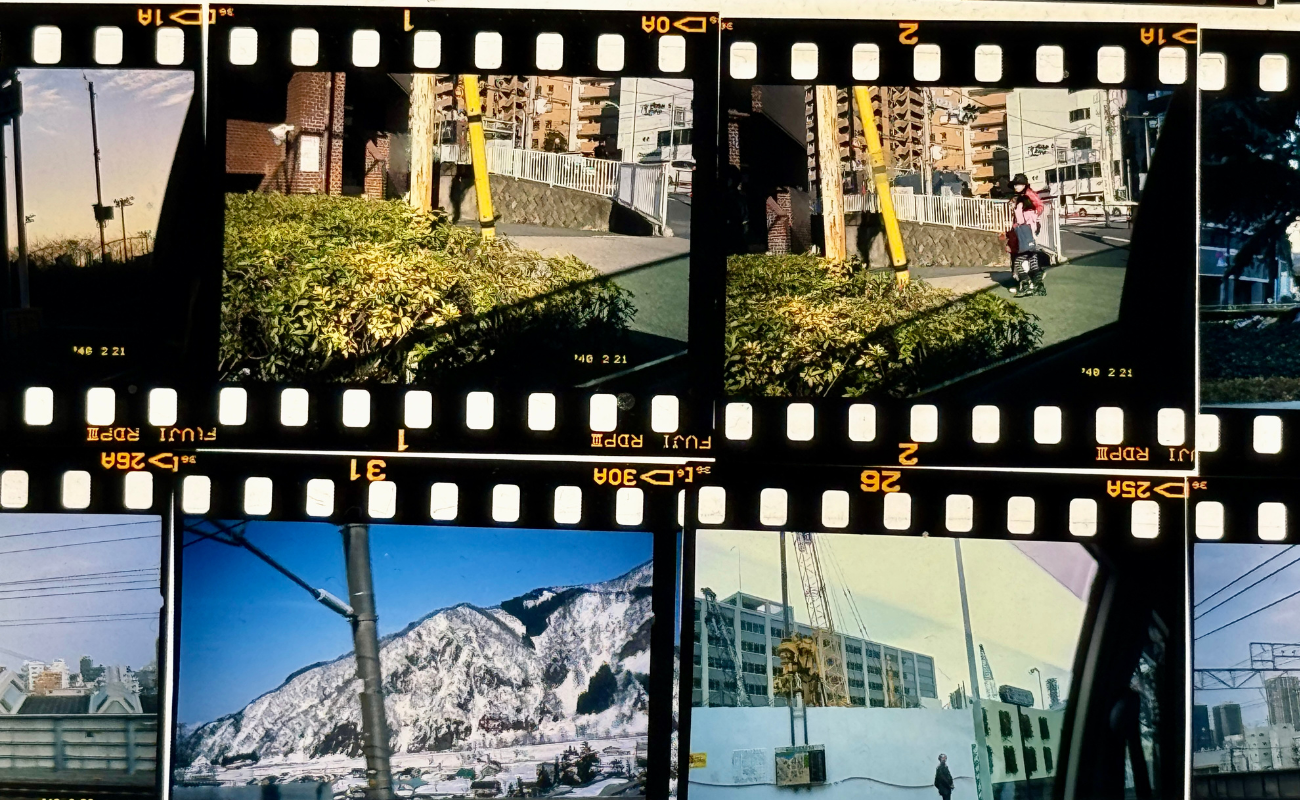
Nobuyoshi Araki, Future, 2015.11.14 – 2040.5.25
Japanese photographer Nobuyoshi Araki takes an unexpectedly optimistic approach to mortality by manipulating his camera’s date function to stamp photographs with future dates extending to his hundredth birthday. Displayed as 35mm slides within a large illuminated lightbox that flashes intermittently, the images only reveal themselves for a few fleeting seconds at a time. These brief glimpses of city walks, cloud watching, and chance encounters feel like fragments of memory surfacing before disappearing again, quietly suggesting that the greatest achievement may simply be continuing to live, observe and remember the world around us.
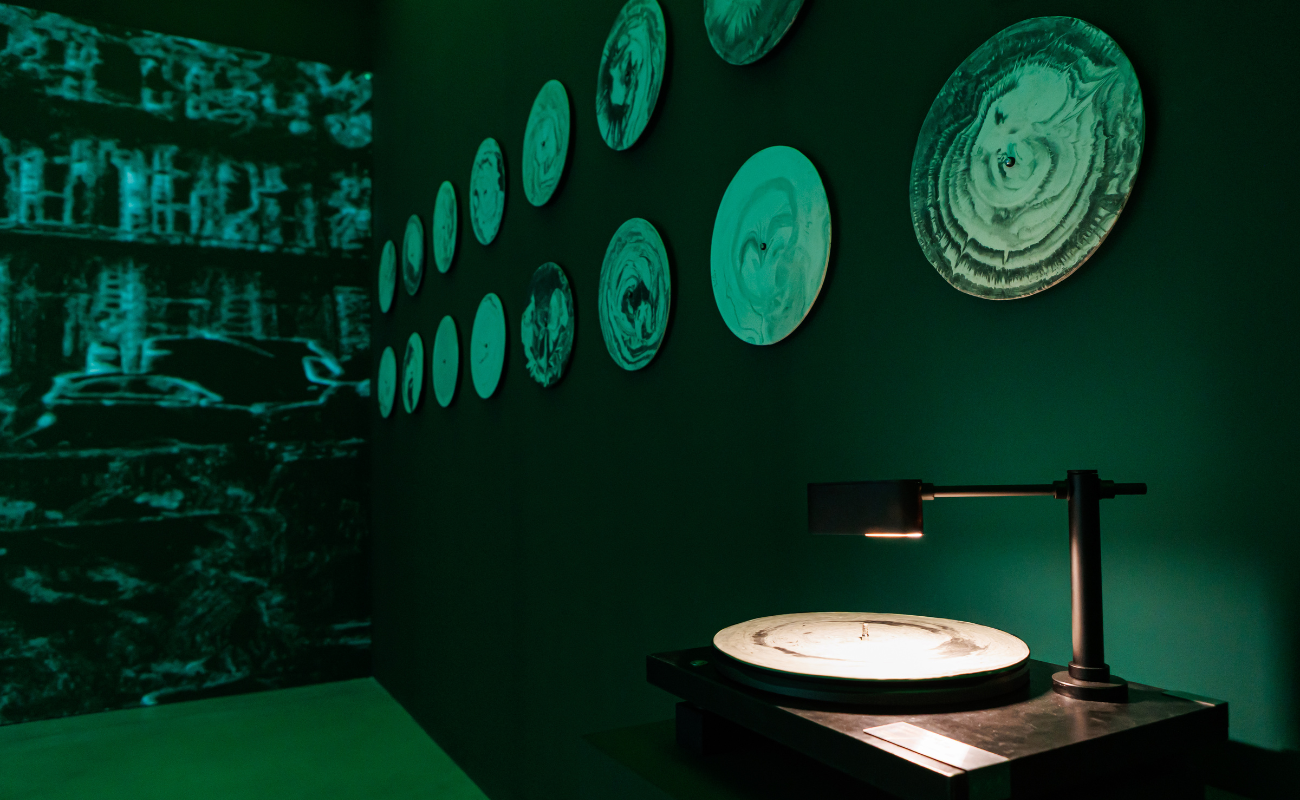
Jinjoon Lee, Daejeon, Summer of 2023
Blurring the boundaries between technology, music and memory, Jinjoon Lee transforms hand-spun sumi ink patterns into playable musical scores. Using artificial intelligence, the abstract markings are interpreted as sound while live projections and recorded street scenes create a dialogue between South Korea, London and the present moment. The installation feels like listening to someone’s memories being translated in real time. The result is like experiencing a beautiful, live, sensory diary.
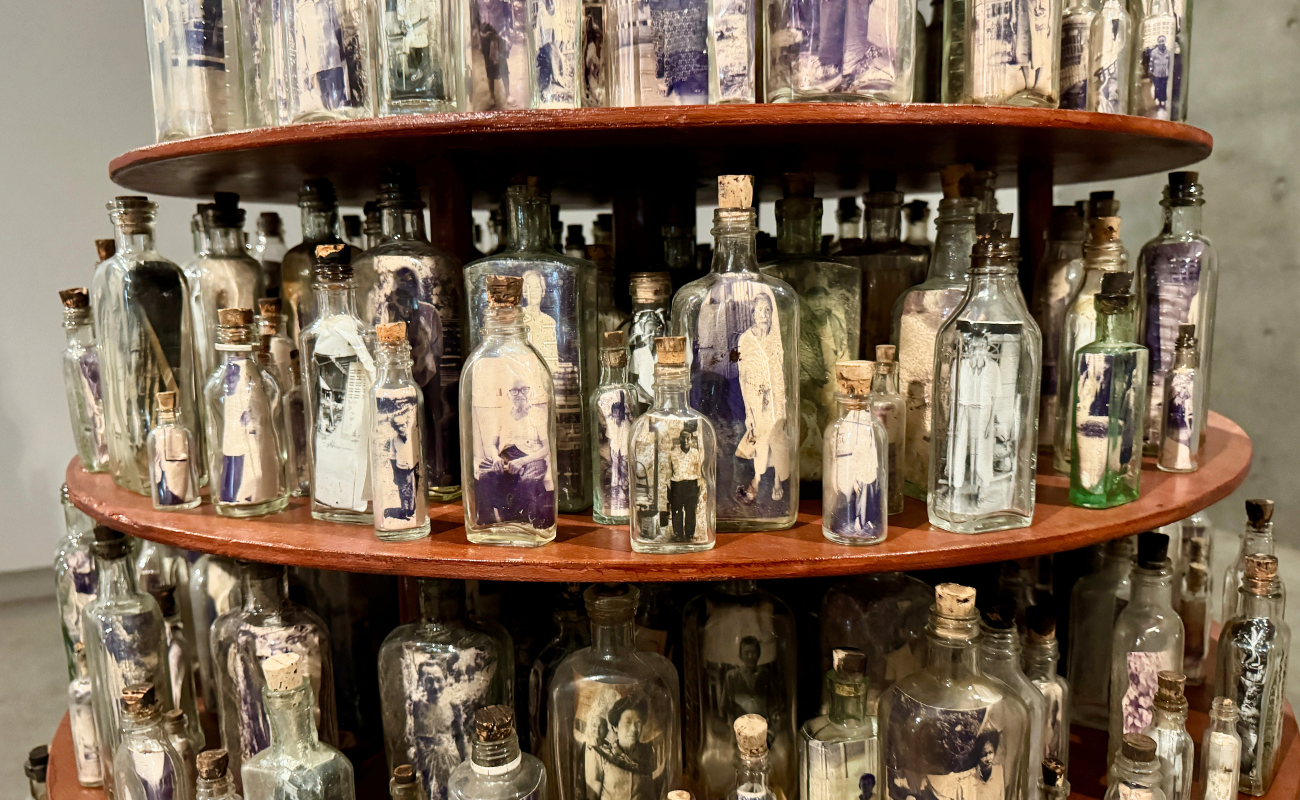
Navin Rawanchaikul, There Is No Voice (1994)
Constructed from more than a thousand salvaged medicine bottles, this deeply moving installation preserves photographs of elderly residents from Chiang Mai who have since passed away. Arranged in the form of a Buddhist stupa, the work becomes both monument and archive, preserving stories that might otherwise disappear amid the rapid modernisation of the city. Each bottle acts as a silent container of memory, inviting visitors to consider whose voices are remembered and whose are forgotten.
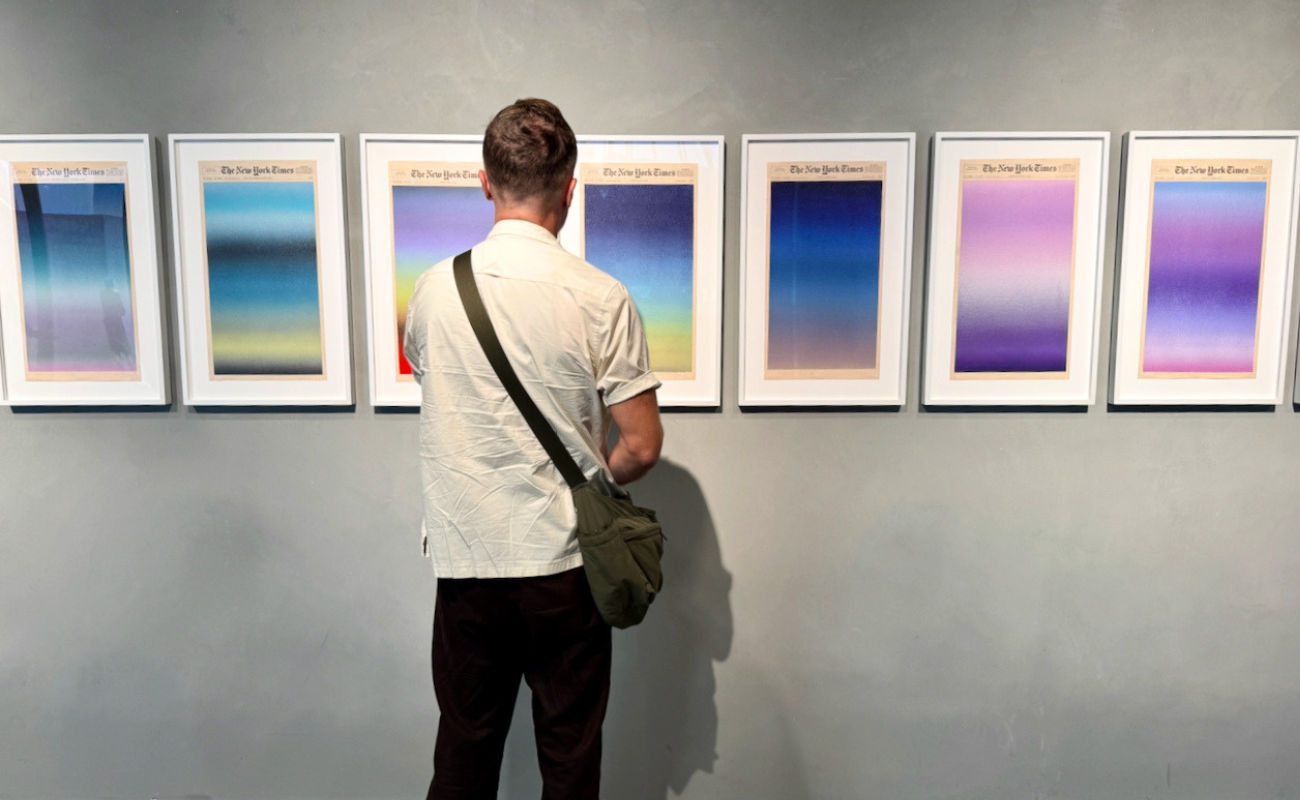
Sho Shibuya, Sunrise from a Small Window series
Since April 2020, Sho Shibuya has painted each sunrise over the front page of that day’s newspaper, replacing headlines with luminous bands of colour while preserving the date beneath. The ongoing project transforms the relentless cycle of world events into quiet meditations on hope and renewal. For DIB Bangkok, selected works correspond to significant personal and historical moments, from political upheaval and the pandemic to the passing of loved ones, reminding viewers that collective history and individual memory are forever intertwined. Framed on hinges, the visitor is encouraged to swing open the frame to see the news headlines of the chosen pieces.
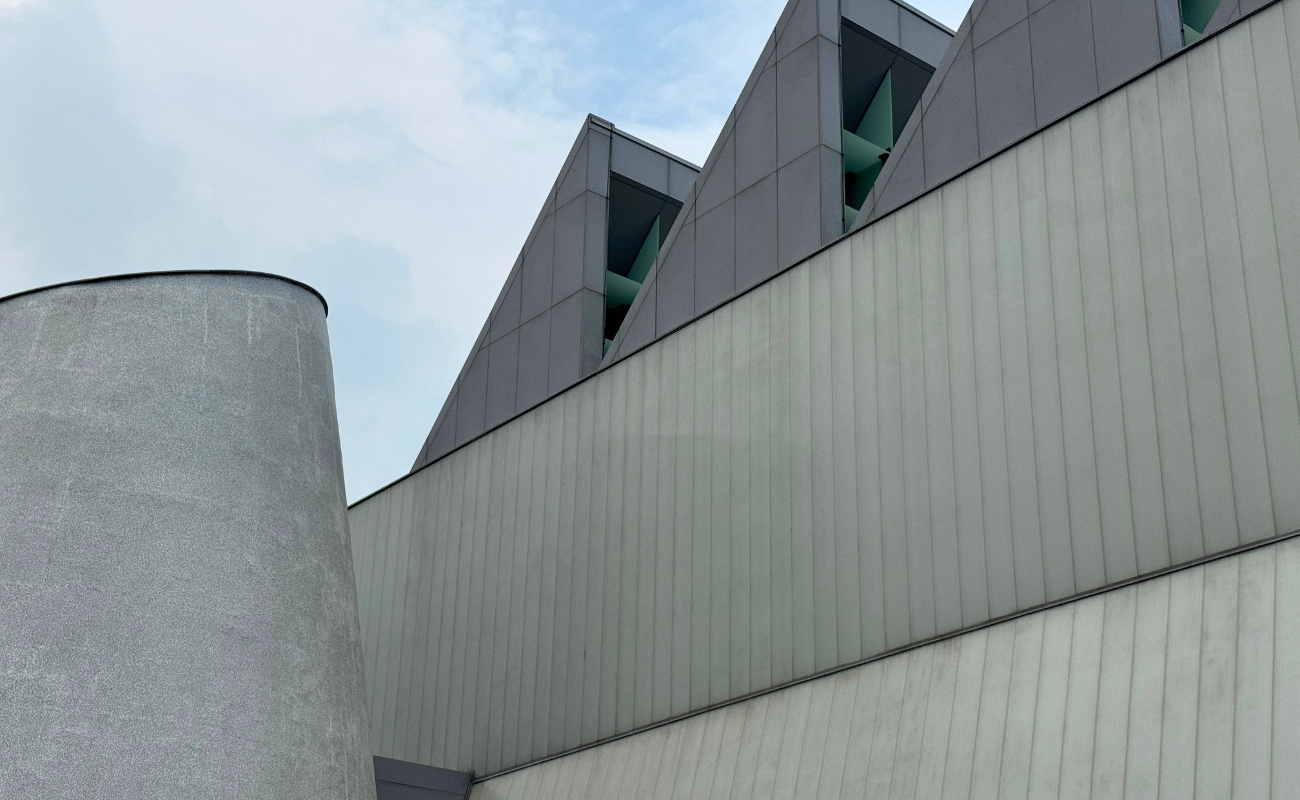
The latest must-visit art venue in Bangkok
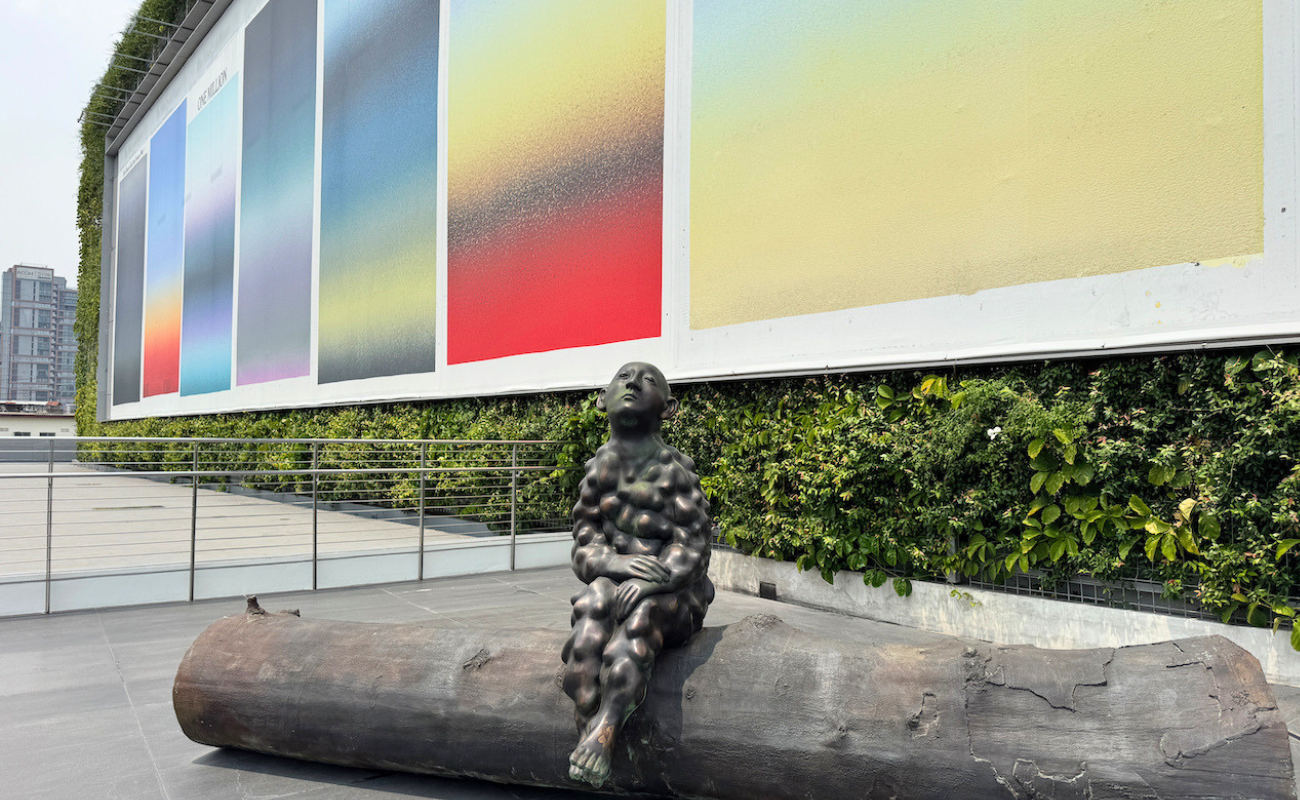
With its ambitious opening exhibition, carefully considered curation and impressive permanent outdoor collection, DIB Bangkok has already positioned itself as one of the city’s most compelling new cultural destinations. Rather than simply asking visitors to look, it encourages them to feel, question and reflect on ideas of memory, presence and what it means to be human. Many of its most affecting moments linger long after you’ve stepped back into the Bangkok heat, raising expectations for what comes next. If future exhibitions match the confidence and imagination of this debut, DIB could quickly become an essential stop on the global contemporary art circuit.
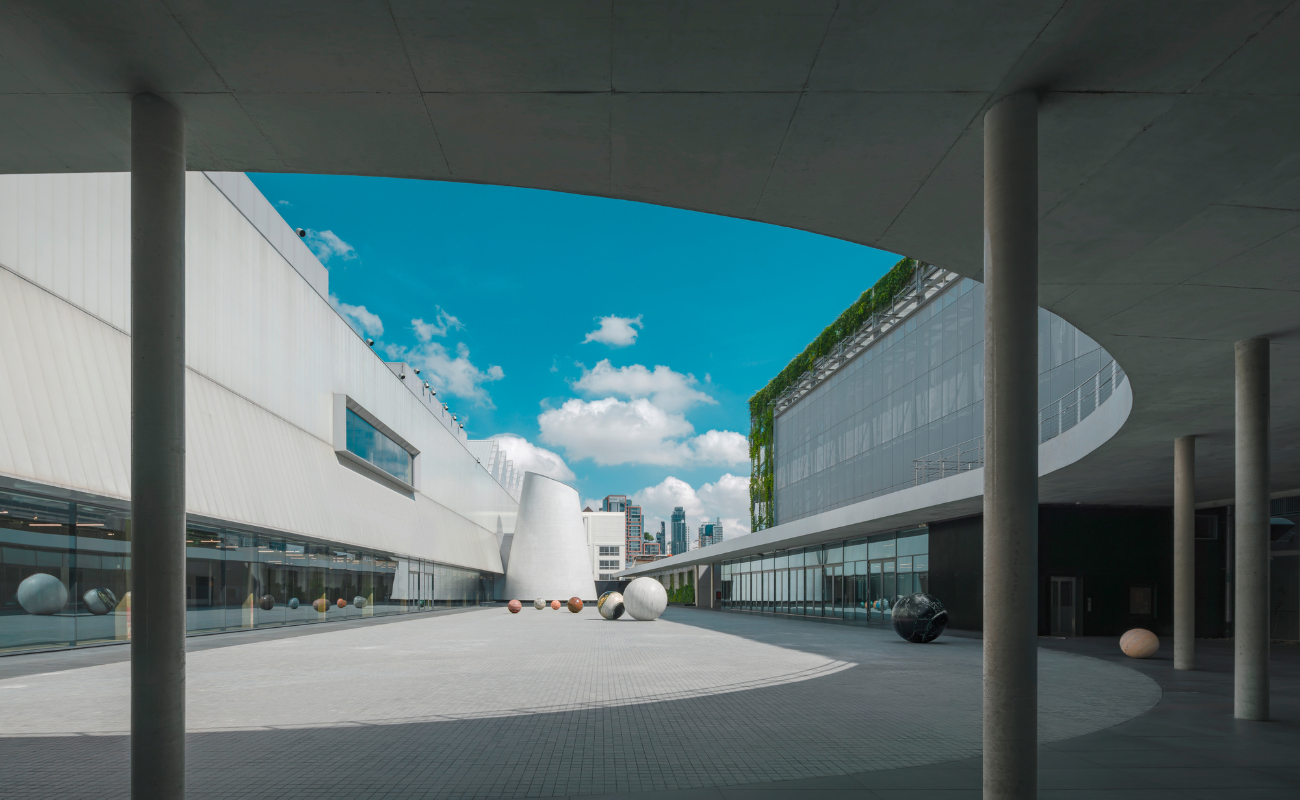
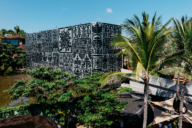
Housed within a beautifully reimagined 1980s warehouse in Bangkok’s Khlong Toei district, the museum is as much about architecture as it is art. Expansive galleries, clean industrial lines and carefully controlled natural light create an atmosphere of quiet contemplation, while commissioned installations integrated throughout the building blur the boundary between the structure and the collection itself. Set away from the city’s traditional museum hubs, DIB confidently establishes itself as a destination worth seeking out.
(In)visible Presence runs until 3 August 2026 and brings together more than 80 works by 40 Thai and international artists, offering an immersive introduction to a museum that looks set to shape Bangkok’s cultural landscape for years to come.