Ask someone about their best holiday, and they rarely begin with a place name. They talk about a meal, a conversation or a moment that caught them by surprise. Travel is quietly shifting from collecting places to collecting memories.
The Evolution of Travel Preferences
Travellers increasingly choose a trip for what they will do instead of where they will land. When a recent BoF and McKinsey survey of more than 2,000 luxury clients asked how they would spend an extra $5,000, travel came out on top across every client tier in the US and China, with the report arguing that luxury is now measured in moments and memories rather than possessions. What sits behind this is a hunger for the authentic: a table in a family-run kitchen, a guide who knows the back streets, and a journey with a sense of occasion. Sightseeing from a checklist is giving way to travel that feels personal and stays with you.
What Defines an Experiential Journey?
Three ingredients tend to define one: immersion, personalisation and storytelling. Immersion means becoming part of a place rather than watching it pass by, perhaps through a regional cookery class or a craft workshop run by a local maker. Personalisation shapes the trip around your interests instead of a standard itinerary, while storytelling gives it a narrative worth retelling. Together they turn separate activities into one coherent memory, which is why such trips linger long after the souvenirs have been forgotten. Culinary tours show this clearly: a market visit with a chef and a shared lunch can reveal as much about a region as any monument. Luxury rail journeys sit squarely in this territory, because the travel itself becomes the main event.
Orient Express Rail Journeys—A Classic Experience Reimagined
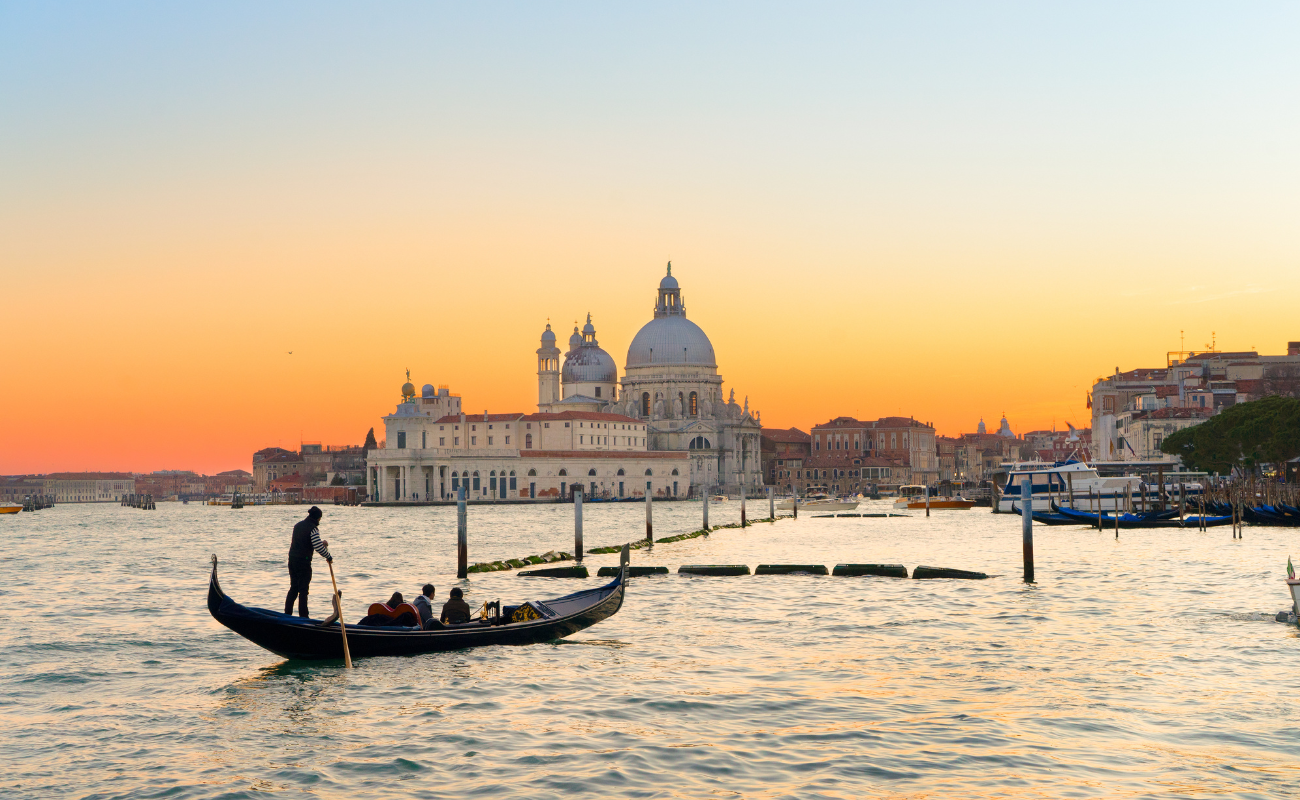
The Venice Simplon-Orient-Express shows how this works in practice. Relaunched in 1982 with a London-to-Venice service, its carriages were built between 1926 and 1949 and have been painstakingly restored. Orient Express Rail Journeys place guests inside that history, with three dining carriages, Lalique glass and black lacquer panelling, and an evening dress code that makes dinner an occasion. The cabins, restored with great craftsmanship, keep the focus on the company, the food and the passing landscape. Nothing is hurried, and the route across Europe becomes part of the story instead of the gap between two places. It also suits a wider appetite for slower travel: ABTA’s Travel Trends for 2026 found that 18–24-year-olds have more than doubled their train and interrailing holidays in three years, from 5 per cent to 12 per cent.
Embrace the Experience-First Approach
For your next European adventure, start by asking what you want to feel, taste and remember, then choose the route that delivers it. The destination will still matter, but it is the moments along the way that you will be talking about afterwards.