In today’s economy, finding a way to help cut costs is becoming more and more essential. With a little planning, even a fairly modest garden can produce food, make use of household waste and provide some of the resources needed to keep everything growing.
Becoming more self-sufficient doesn’t need you to turn your front lawn into an allotment or spend every weekend tending your crops as a sub-urban farmer. There are plenty of little things you can do that can make a garden work a little harder without taking over your life.
For anyone who wants their outdoor space to be a little more useful, these four areas are a good place to start.
Add a Composting Area
Alright, so you’re not exactly going to be pointing this one out as a highlight when friends visit, but it can quickly become one of the most useful parts of your garden when you’re growing. Everyday materials including vegetable peelings, grass cuttings, leaves, cardboard and garden trimmings can all contribute to homemade compost. Given enough time, they’ll break down into healthy muck that can be dug into beds, spread around established plants or scooped into flowerpots to help what plants you have grow.
Composting also creates a managed but effective replication of the natural decomposition cycle within the garden. Plants and vegetables produce waste or die, that waste becomes compost, and that compost then goes back into helping the next generation of plants grow. Getting the balance right is important though, otherwise your compost could end up not being too effective. Too much wet material, such as grass clippings, can leave a compost heap turning a bit too mulchy and you don’t want it to be JUST veg remains either. Alternating layers is best if you want to make sure your compost will do it’s job.
Grow More with a Greenhouse
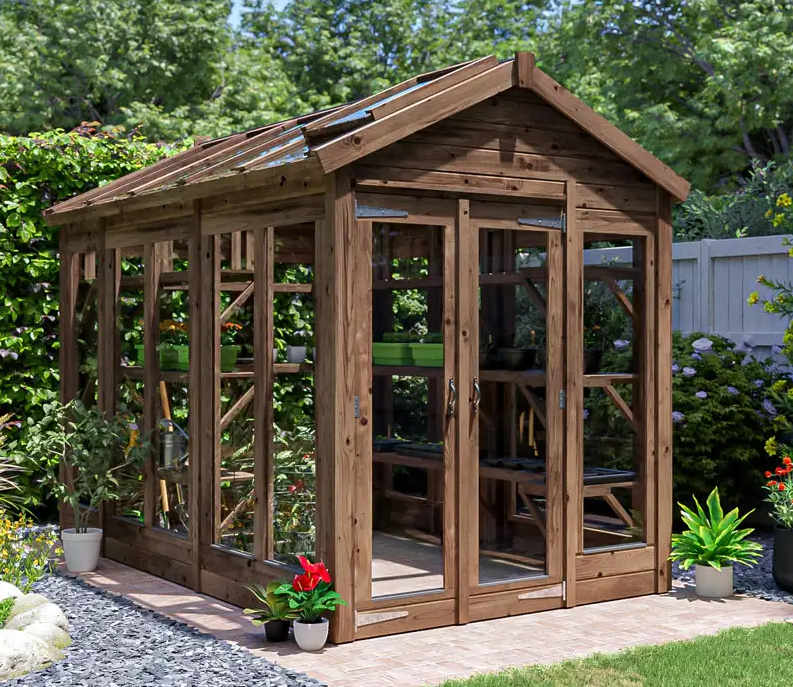
After the recent heatwaves, keeping your plants hot is probably something you’re not too worried about but if you want to start growing produce in earnest, managing the heat is something you’ll need to bear in mind. Greenhouses give gardeners more control over growing conditions and provides protection for plants that might struggle outdoors. They can also extend the useful growing season, allowing seeds to be started earlier and some crops to continue producing later into the year.
Tomatoes are an obvious greenhouse favourite, but they’re far from the only option. Cucumbers, chillies and aubergines can all benefit from the warmer conditions and helps to diversify your salad choices. Shelves and Benches can be used for seed trays and young plants. Plus, can also support the rest of the garden, if you want to have some particularly delicate flowers for spring and summer, you can get them started in the greenhouse before you transplant them out.
You don’t necessarily need an enormous greenhouse either, as long as you plan your layout well you can avoid any major plan
Collect Rainwater
After the last few months, it’s safe to say that anyone who wants a lawn that isn’t pale, washed-out yellow is going to need a water butt to get around the inevitable hosepipe bans. Installing a water butt is a straightforward way to capture some of it rather than allowing everything that lands on a roof to disappear down the drain. The collected water can then be used for watering cans and keeping lawns alive in a heatwave
Easily fitted to a garage downpipe or added to the guttering of a garden building provided you know how – it’s not difficult, promise. Rainwater collection becomes particularly useful during summer, when vegetable plants and containers may need watering every day and as we’ve seen, that can get difficult. A large tomato plant, for example, can be surprisingly thirsty once it’s got some fruit budding.
Check your Almanac for plant tips
Choosing plants carefully helps to cut your maintenance time while still making the garden productive. Self-seeders like strawberries can be a great way to have fruit in spring and summer without needing you to replant every year. Some other good options like rhubarb, asparagus and quite a few herbs can provide repeated harvests without needing to be replanted every spring.
Depending on the space available, apple or plum trees can produce crops for years once established. Smaller gardens can accommodate trained fruit trees as well, most fences can have grapevines trailed through them to great effect.
Can’t all be crops though, planting flowers alongside can attract bees and other pollinators. Lavender, foxgloves and many flowering herbs provide useful food sources for insects while adding colour to the garden. Though if you have a cat, be careful as these can be toxic to some pets.
Self-sufficiency sounds great but it’s quite a lot of work, for most households it’s neither practical nor particularly desirable to replace your shopping run with solely self-grown. Producing some of your own food, composting waste and collecting water is already a worthwhile achievement and helps your wallet and the environment.
You probably won’t become self-sufficient from an ordinary back garden, and you don’t need to. If it provides a bowl of strawberries, a summer’s worth of tomatoes and enough herbs to stop buying those sad little supermarket packets, it’s already doing a pretty good job.