Beyond the Concert Hall: Ziyang Huang and the Expanding Role of Sound
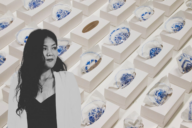
In the shifting landscape of London’s contemporary art scene, the boundaries between disciplines are increasingly porous. No longer content with the rigid definitions of “performer” or “musician,” a new generation of artists are treating sound as a fluid medium: one that navigates prestigious galleries and national stages with equal fluency. At the heart of this movement is Ziyang Huang.
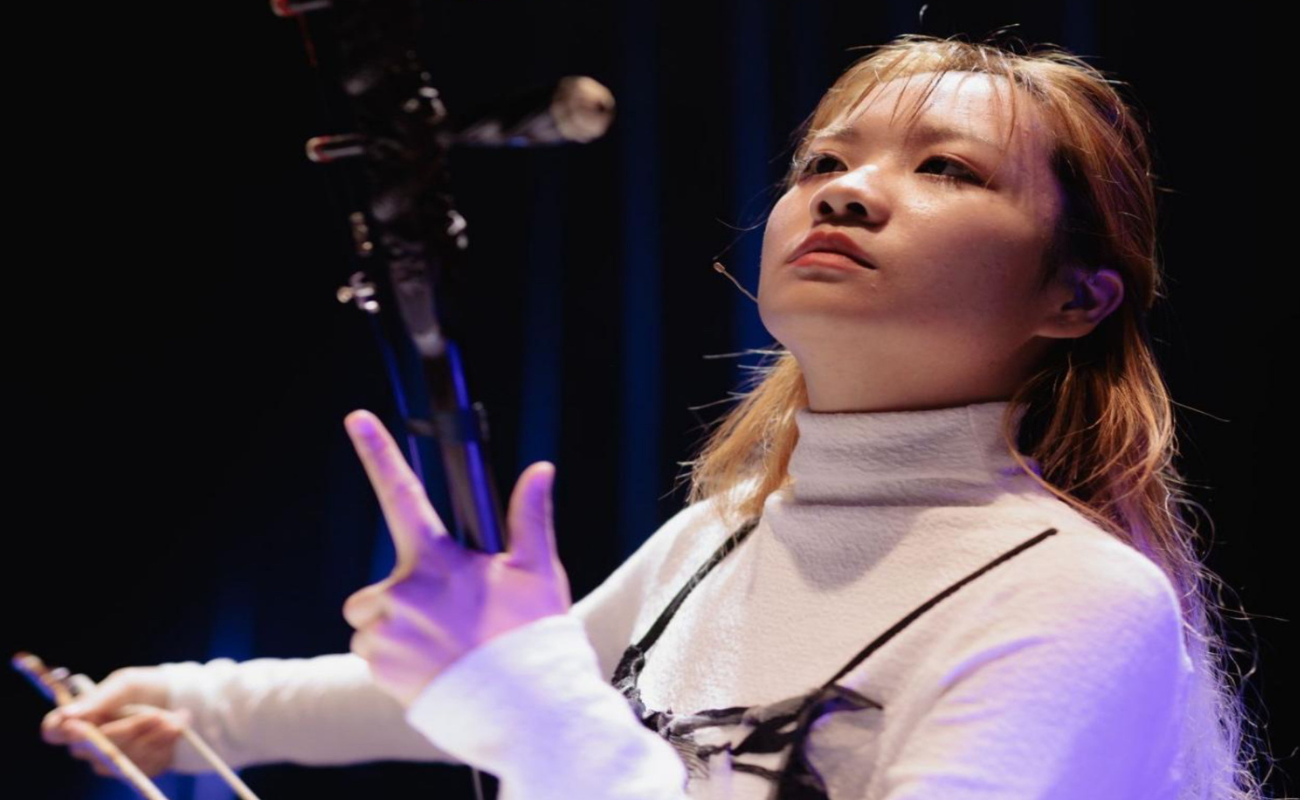
Primarily trained as a virtuoso Erhu musician, Huang has moved far beyond the traditional expectations of the instrument. While her roots are in classical rigour, her current practice is embedded within the experimental pulse of London. While she is comfortable appearing as a guest soloist, she thrives as a cross-disciplinary practitioner, moving beyond the Erhu’s ancient heritage to use it as a vital tool for contemporary cultural translation.
Southbank Centre: Narrative, Performance and Cultural Translation
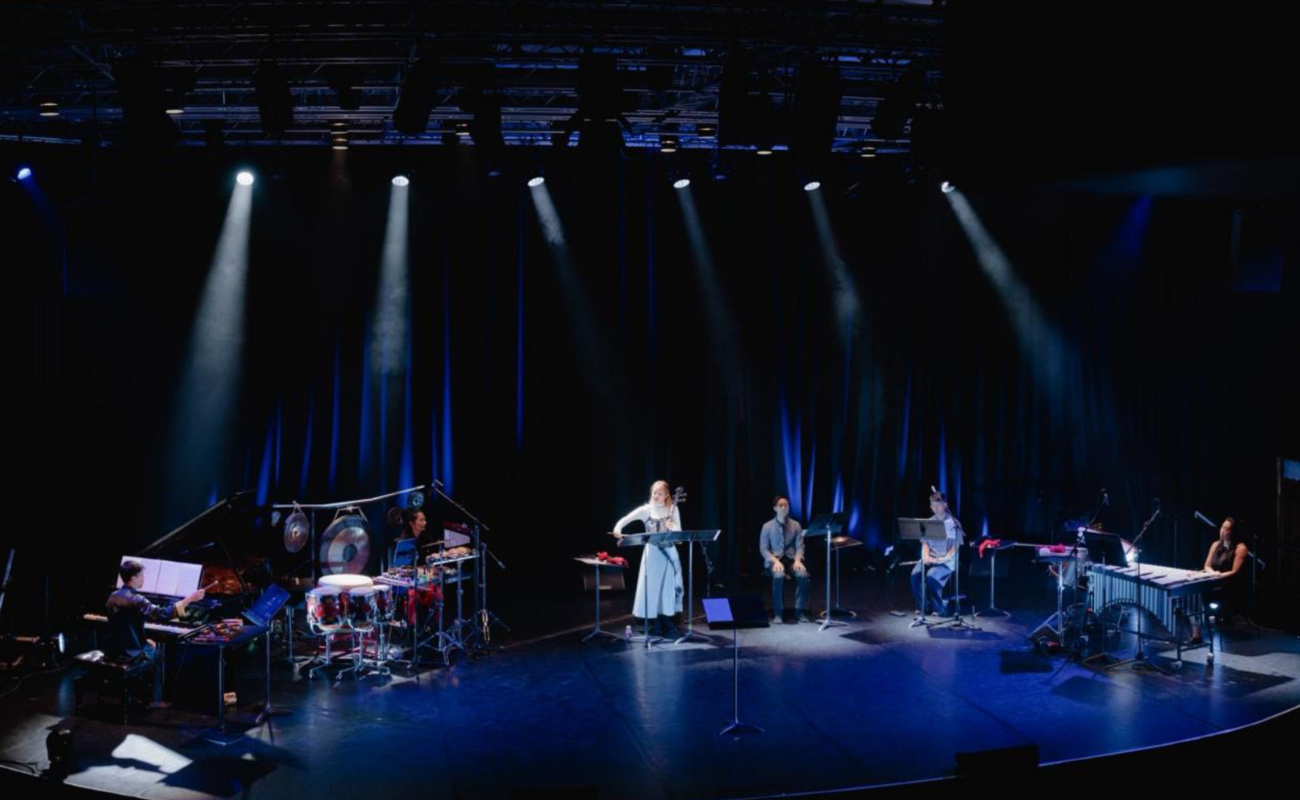
A defining moment in Huang’s recent practice was the production of Ye Xian: A Story Untold at the Southbank Centre. To view this project through the lens of a standard musical achievement would be to miss its core significance. Here, the Erhu was repositioned; it functioned as a primary narrative engine within a complex, multi-layered performative structure.
In this context, sound was used to bridge the gap between ancient folklore and contemporary theatrical form. Huang’s contribution was more than a display of virtuosity; it was about cultural translation. By integrating the Erhu into the storytelling framework, she moved the instrument away from being an “object of display” and into a shared, living narrative. This project reflected her sophisticated understanding of how music can operate within a broader cultural framework where sound is inseparable from theatrical form and cultural identity.
From Performance to Participation – Entering Contemporary Art Spaces
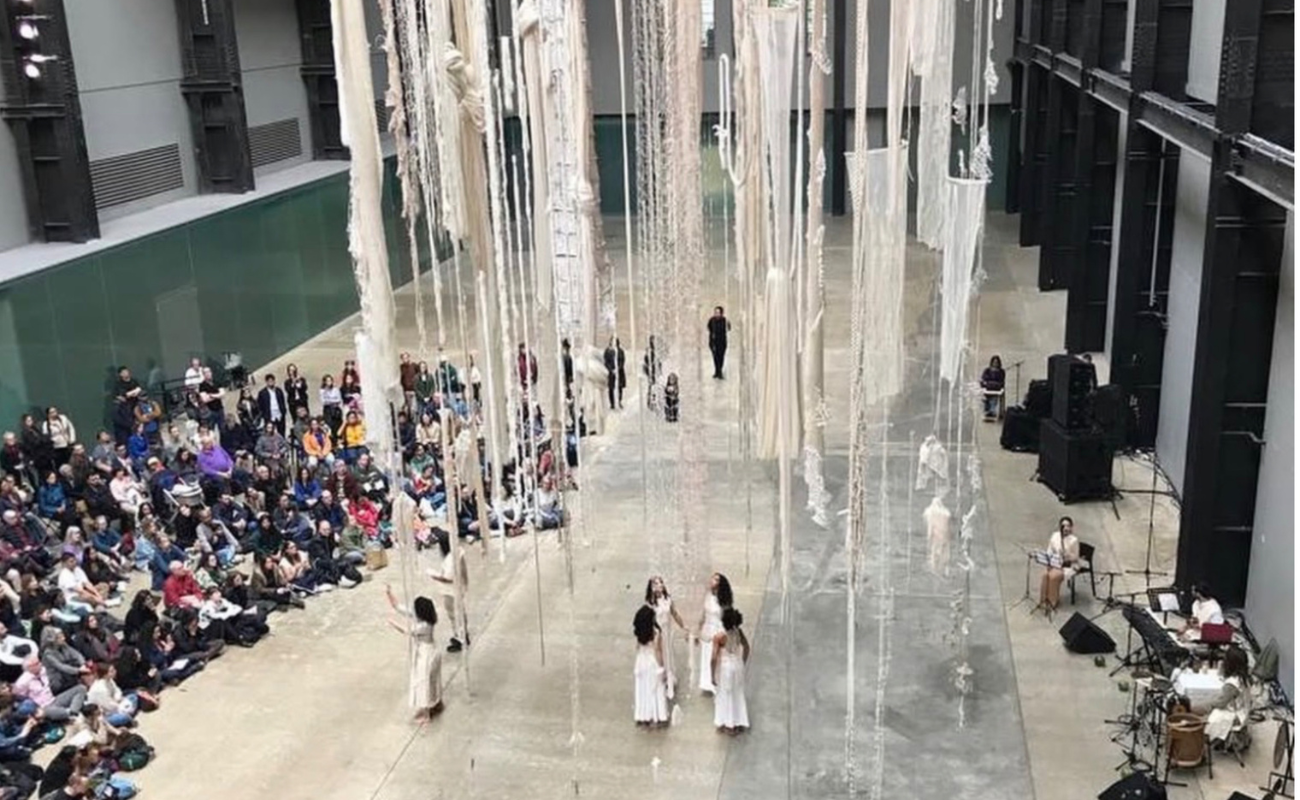
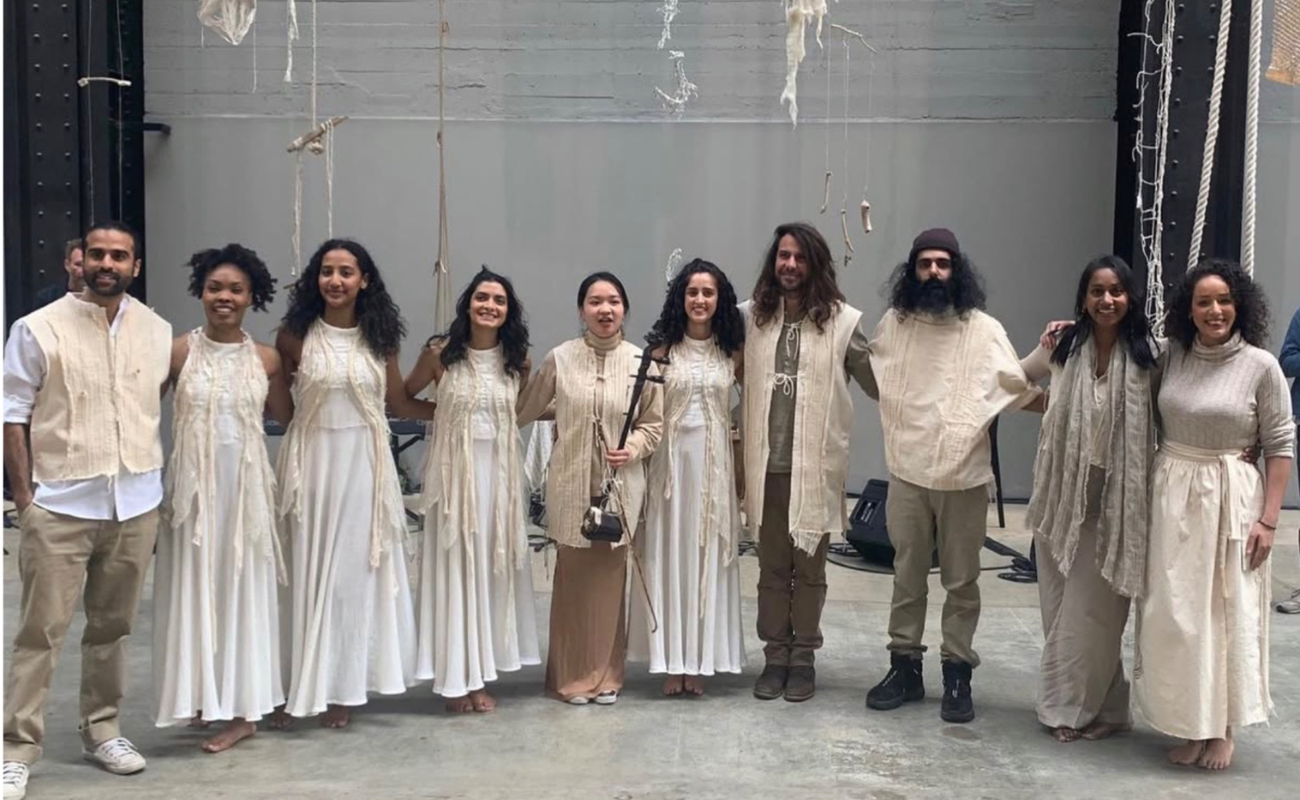
If the Southbank project was rooted in narrative, Huang’s collaboration within the UNIQLO Tate Play project at Tate Modern (alongside choreographer Vidya Patel) demonstrated her ability to adapt to the spatial language of contemporary art.
Entering the Tate, Huang did not arrive to present a “work” in the traditional sense. Instead, she participated as one component within a wider, participatory artistic process. In the cavernous, public-facing environment of the museum, the music shifted from a focused performance to an atmospheric experience.
Ziyang used the Erhu to define the boundaries of the room, interacting with the architecture and the spontaneous movement of the public. Moving away from the “stage-to-audience” hierarchy, she embraced the experimentation of the gallery, where sound became an invitation for public engagement rather than a static spectacle.
Beyond Labels – Rethinking the Role of a Traditional Instrument
From an editorial perspective, Huang’s most radical act is her resistance to being confined by the label of a “traditional instrumentalist”. In a globalised art world, traditional instruments are often relegated to “cultural display” used to provide aesthetic flavour without challenging the status quo.
Huang rejects this. She positions herself as a cross-cultural, cross-disciplinary practitioner. Her practice is part of a wider global tendency where artists use traditional tools to participate in modern dialogues, rather than simply preserving the past. By doing so, she redefines the Erhu as more than just an object of historical curiosity. She makes it a contemporary voice capable of collaborating with digital media, modern dance and site-specific installation.
Experimentation as a Practice – Why This Matters Now
Why does Huang’s individual practice resonate so strongly in the current cultural moment? Today’s contemporary art world increasingly values hybridity and collaboration. We are witnessing a shift where sound is no longer confined to the concert hall but is integrated into the very fabric of social and artistic life.
Huang’s significance lies in her sustained ability to enter and adapt to these diverse artistic contexts. Her work exemplifies an open, fluid artistic methodology. For the audience and fellow practitioners alike, her path offers a tangible model for how artists with specialised, traditional training can operate meaningfully within contemporary cultural systems without losing their artistic soul.
An Artist in Motion
Ziyang Huang is not an artist completing a transition from one genre to another. Instead, she exists in a state of permanent motion.
As she continues to engage with London’s performance spaces, contemporary galleries, and public spheres, her practice remains fluid and responsive to its environment. She uses these performances to test the cultural possibilities of sound. In her hands, the Erhu remains open-ended, evolving alongside the city and the multidisciplinary spaces she chooses to inhabit.