TRAVELLING TO TRAIN: HOW MUAY THAI AND LUXURY HOTELS ARE REDEFINING WELLNESS TRAVEL IN 2026
TRAVELLING TO TRAIN: THE LUXURY TRAVEL TREND DEFINING 2026
Travelling To Train: How Muay Thai And Luxury Hotels Are Redefining Wellness Travel In 2026
Why Muay Thai, Jiu Jitsu and Luxury Hotels Are Redefining Wellness Travel in 2026
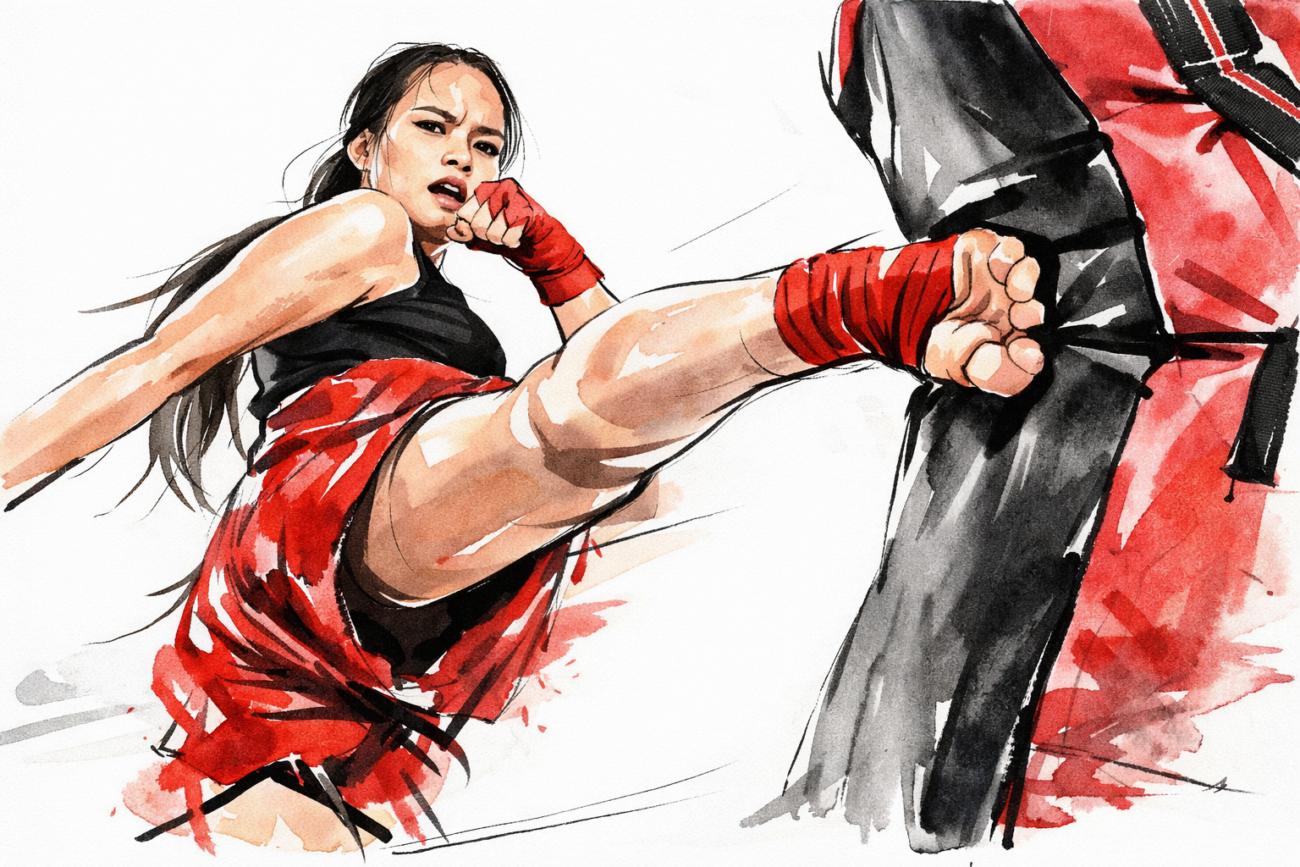
The new status symbol is not a watch, a Birkin or a business-class boarding pass. It is a bruise. Specifically, the faint yellow-green bloom on a shin earned in a Muay Thai ring in southern Thailand, or the mat burn from a dawn jiu jitsu roll in London. In 2026, the discerning traveller is no longer content to detox by the pool instead they want discipline and technique. They want to return home sharper than they left. Welcome to the era of travelling to train.
The global martial arts market is forecast to reach $3.2 billion by 2033. What was once niche, underground and faintly intimidating has become aspirational. From private members’ clubs in Mayfair to beachfront villas in Phuket, combat sport has been reframed as the ultimate hybrid of performance, mindfulness and cultural immersion. And luxury hospitality is responding fast.
From ARMA in London to Sri panwa in Phuket
When ARMA opened as London’s first luxury jiu jitsu gym, it signalled something bigger than a well-designed training space. It marked the arrival of martial arts as lifestyle including muted interiors, architectural lighting and serious coaching. A clientele as likely to work in private equity as in professional sport. The message was clear: you can train hard without sacrificing aesthetic standards. You can pursue technique without stepping into a fluorescent-lit warehouse on an industrial estate.
That same thinking is now shaping the global travel landscape. Hotels have realised that the modern creative professional doesn’t want a generic fitness centre. They want authenticity and context. They want to practise a discipline where it was born, under the guidance of people who live it. Which brings us to Thailand.
Muay Thai at Its Source: Sri panwa, Phuket
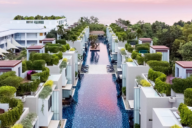
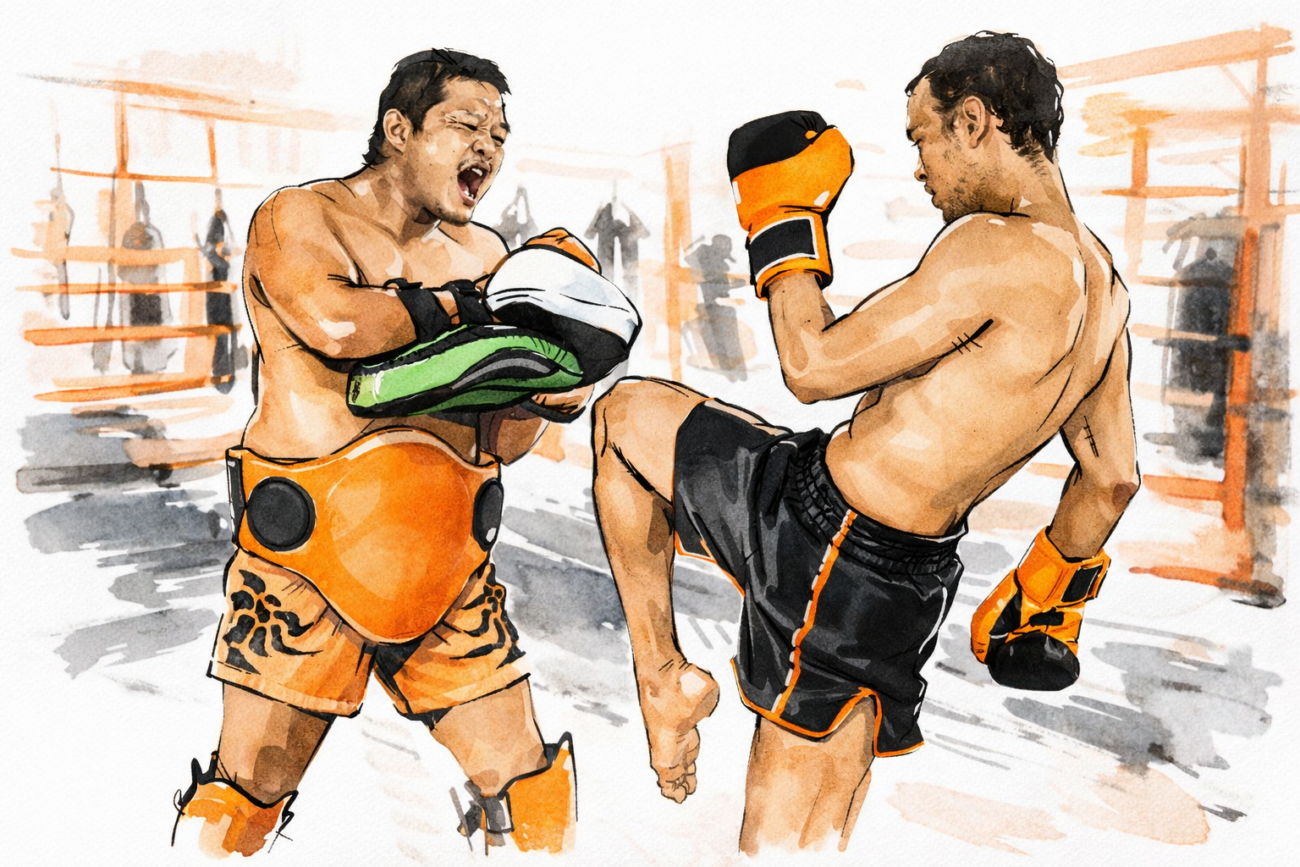
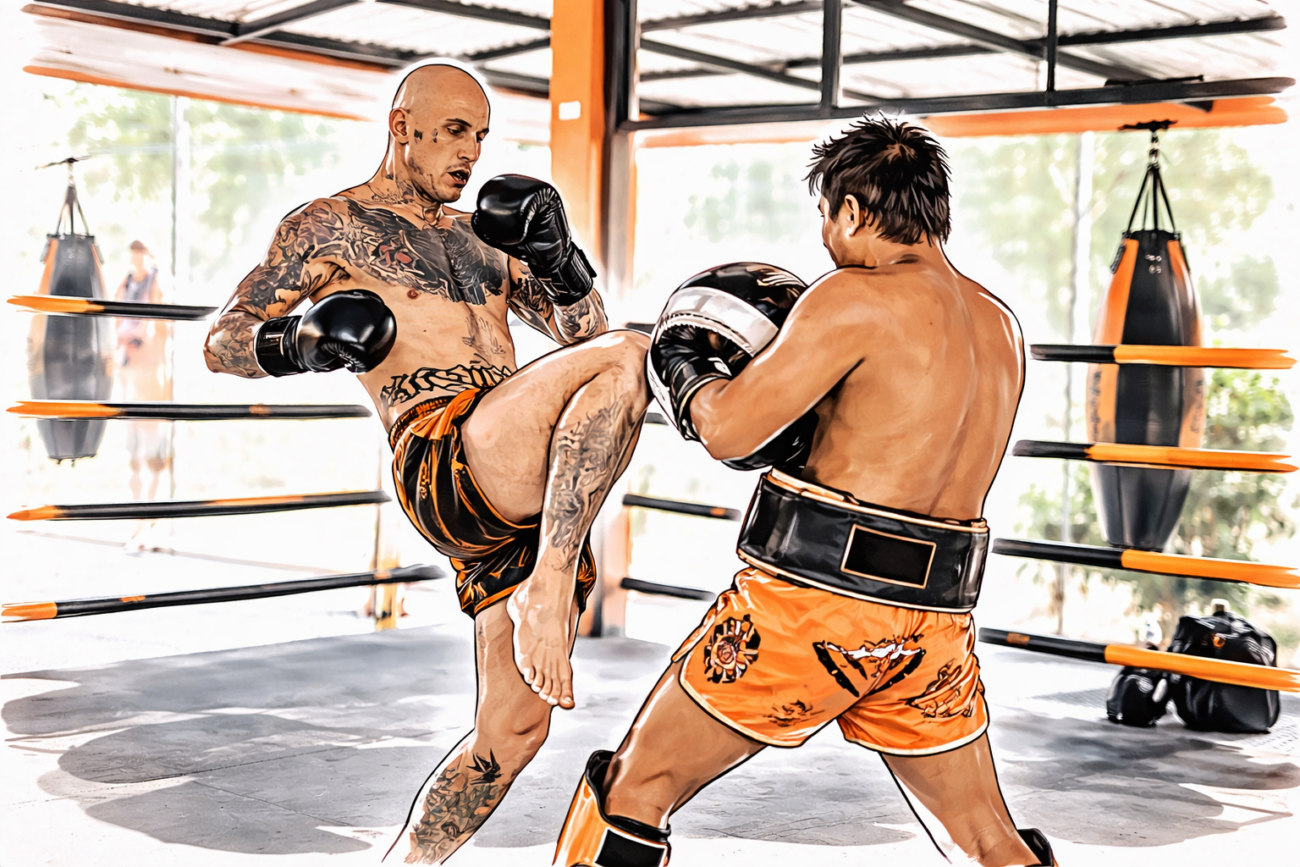
As National Muay Thai Day approaches on March 17th, Sri panwa in Phuket is leaning fully into the moment. Not with a token class squeezed between brunch and cocktails, but with private sessions led by professional Thai coaches, held either in a jungle-set professional ring or on the resort’s private stretch of white sand. Perched across 40 acres at the tip of Cape Panwa, independently Thai-owned since 2005, the estate has long been one of Phuket’s legacy luxury addresses. One hundred private villas. Infinity-edge pools. The Andaman Sea unfolding below. But what makes its Muay Thai programme compelling is not the setting, dramatic though it is. It is the emphasis on heritage. Muay Thai is rooted in Buddhist principles, integrity and focus. Its techniques, while physically demanding, are accessible. The ritual, the wai kru, the discipline of repetition. It is less about aggression and more about presence. At Sri panwa, sessions are tailored to the guest’s ability. Foundational kicks and punches for beginners. Conditioning drills for those who train regularly. Maximum two guests per coach. From £80 for a private hour. This is not fitness as spectacle. It is technique with context.
Recovery as Ritual. Travelling To Train: How Muay Thai And Luxury Hotels Are Redefining Wellness Travel In 2026
Training, of course, is only half the equation. At Cool Spa, recovery becomes part of the narrative. The Sri Panwa Sport Massage stimulates circulation and eases tension with warming oils. The Deep Relax Massage works into connective tissue to realign the body after impact. The Thai Herbal Healer draws directly on traditions used by fighters in rural training camps, heated herbal compresses applied to reduce inflammation and restore balance. It is here that the luxury element becomes most interesting. Travelling to train is not about punishing the body. It is about building it, then restoring it properly. Performance and pleasure are no longer opposites. They are part of the same loop.
Why Travelling to Train Is Shaping 2026
Several forces are converging. First, wellness fatigue. The smoothie-bowl era has peaked. Discerning travellers are looking for something more structured than a yoga flow and more meaningful than a sound bath. Second, credibility. Martial arts demand humility. You cannot fake a round on pads. You cannot shortcut the repetition. In a world saturated with surface-level experiences, that authenticity carries weight. Third, cultural immersion. Learning Muay Thai in Phuket is not simply a workout. It is entry into Thailand’s national sport, its history and its discipline. It reframes the destination itself. For the creative class, especially those splitting time between cities like London and Bangkok, or basing themselves in Thailand while working globally, this shift feels natural. The line between lifestyle and training is dissolving. You fly in for a long weekend. You train at sunrise. You recover at the spa. You dine as the sky turns violet over the Andaman. The body becomes part of the itinerary.
The Future of Luxury Is Earned
Five-star hospitality is no longer defined solely by thread count and champagne lists. It is defined by depth. Hotels that understand this are designing programmes that go beyond aesthetics, pairing serious coaching with serious comfort. The gym is not an afterthought in the basement, rather it is central to the story. In Thailand, Muay Thai provides a ready-made framework. In other destinations, expect to see similar evolutions: boxing in Mexico City, capoeira in Bahia, wrestling camps in Japan. Travel will increasingly be about what you learn, not just where you stay. And perhaps that is the real luxury. Not indulgence alone, but transformation.
Staying longer
The popularity of Muay Thai in particular is growing amongst travellers in Thailand partly due to the introduction of the country’s Destination Thailand Visa (DTV) which allows individuals to apply for a longer stay. One of the DTV choices is the ‘soft power’ option which allows people to choose to learn a Thai-based activity in depth.
To ensure peace of mind while traveling, we recommend getting travel medical insurance. SafetyWing’s Essential plan covers the basics like emergency medical, while their Complete plan offers full-scale healthcare, both with travel coverage. Whether you’re exploring short-term or setting up long-term abroad, there’s a plan for you. A must-have for any traveller or nomad!