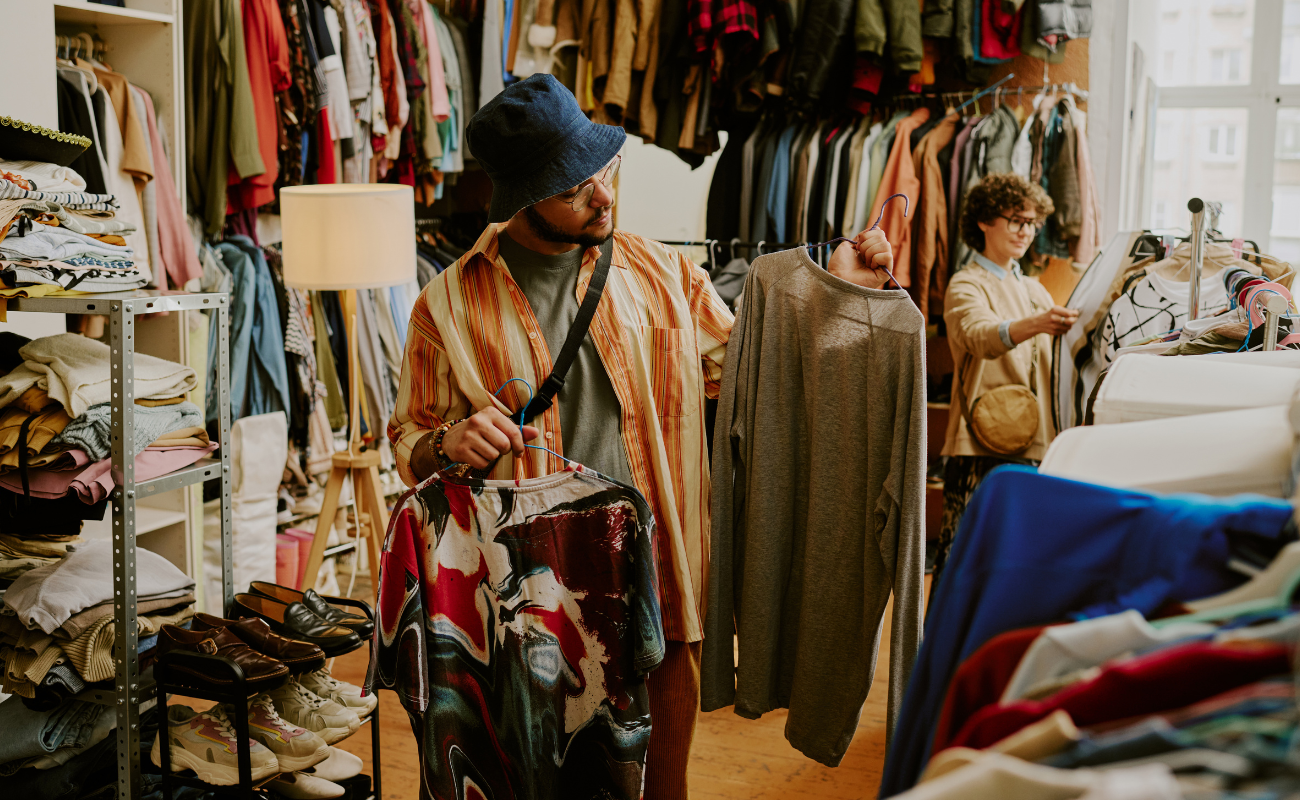
Have you heard? Pre-loved is trending, and in fact, it’s a fashion trend that’s baffling boomers. Millennials and Gen Z have long since shifted from buying new, and instead, these younger generations are craving secondhand goods.
It’s hardly a mystery: there is sound reasoning behind this preference. Pre-loved items are often lower in cost, sustainable, and of high-value. Take vintage shoes, thrifted from charity shops, or pre-owned watches, crafted in historical eras – these pieces have personality. Let’s dig deeper, though; here is exactly what’s influencing changing attitudes in millennial and Gen Z consumers.
1. Changing Attitudes Among Younger Consumers
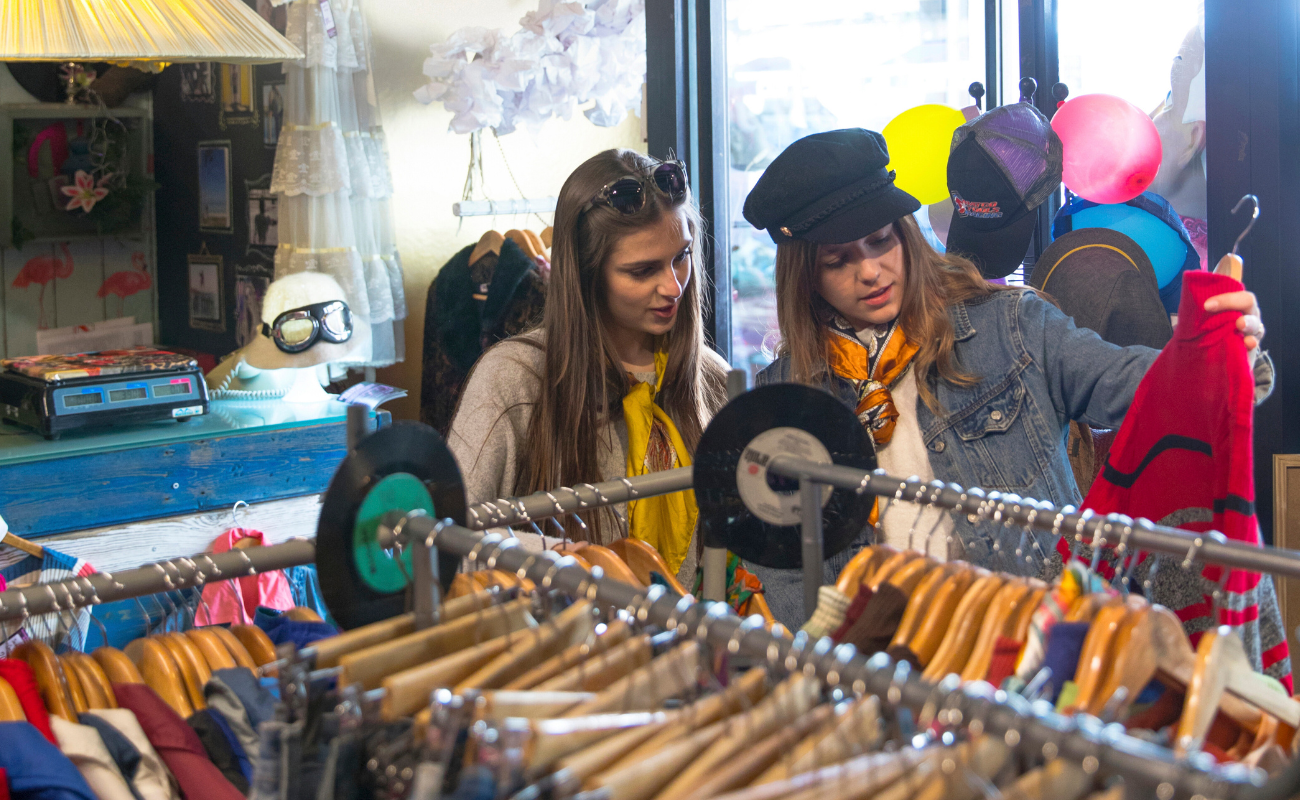
Experts are fascinated by the movement of young consumers seeking sustainable goods. Economic pressures, ethical concerns, and renewed definitions around value are all contributing factors.
Interestingly, everything starts with intention; even if these consumers aren’t in a position to purchase freely at that exact moment. Researchers have found a correlation between attempting to buy sustainable items and the likelihood of making ethical future purchases. These attitudes are likely to snowball as Gen Z’s purchase power increases.
2. Cost-of-Living and Value Realisation
The cost-of-living crisis hit these younger generations like a ton of bricks. Is it any wonder that value realisation has hit hard? Big investments, like university and first properties, have become a tightly navigated topic, while in the background, smarter spending has become a necessity. Many individuals in these generations have realised that brand-new status is not worth paying a premium.
3. Sustainability, Ethics and the Circular Economy
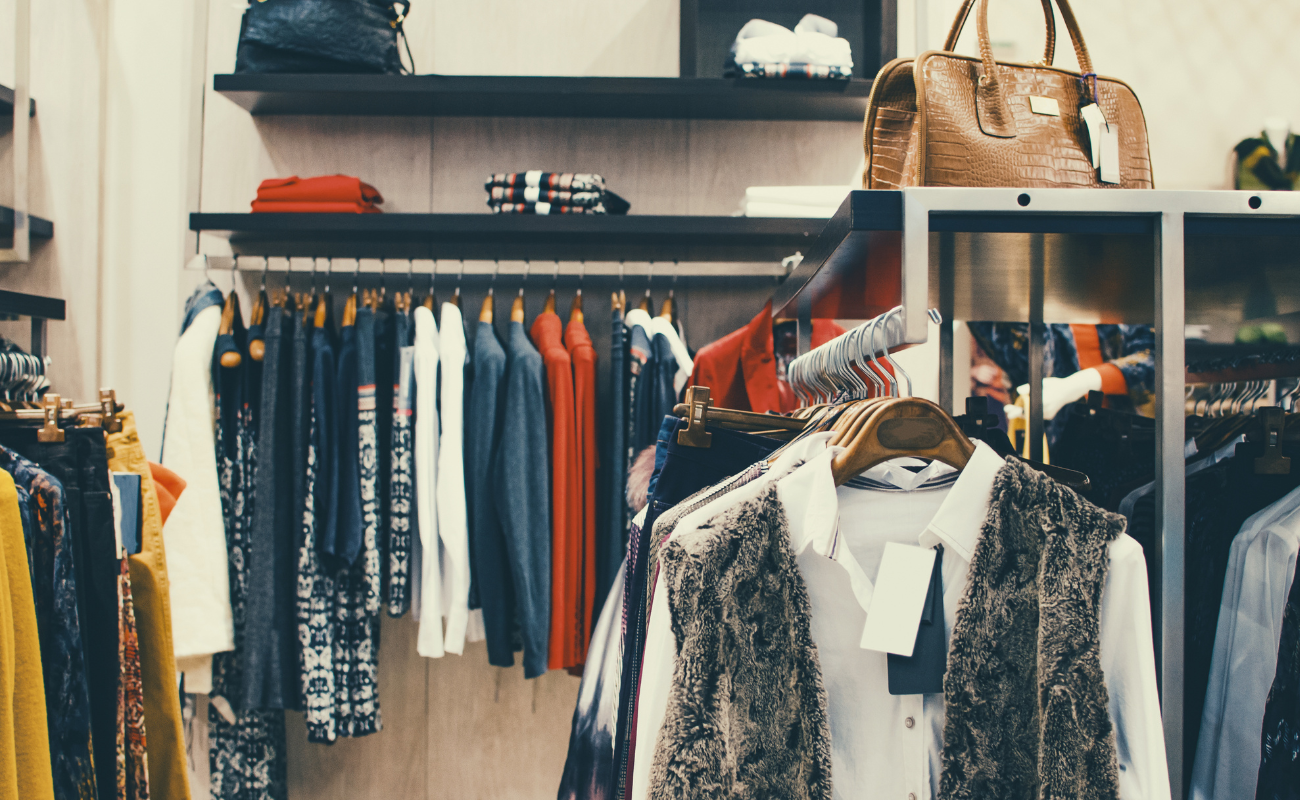
It’s reported that Gen Z and Millennial generations have higher climate anxiety and environmental awareness. Because of this, it’s only natural that sustainability and ethics play a key role in their consumer behavioural patterns.
Whether fashion is ever really clean is another debate, but younger consumers are trying to make it work. There is an increased focus on a circular economy, where items are reused and redistributed rather than discarded. Secondhand and pre-loved items are the prime solution.

4. How Social Media and Resale Platforms Fuel the Trend
Younger generations swipe through Depop and Vinted like boomers are swallowed up by Facebook notifications. Social media culture has fuelled and normalised buying secondhand luxury – and those low prices feed into the instant gratification of online shopping.
5. What This Means for the Luxury Market Going Forward
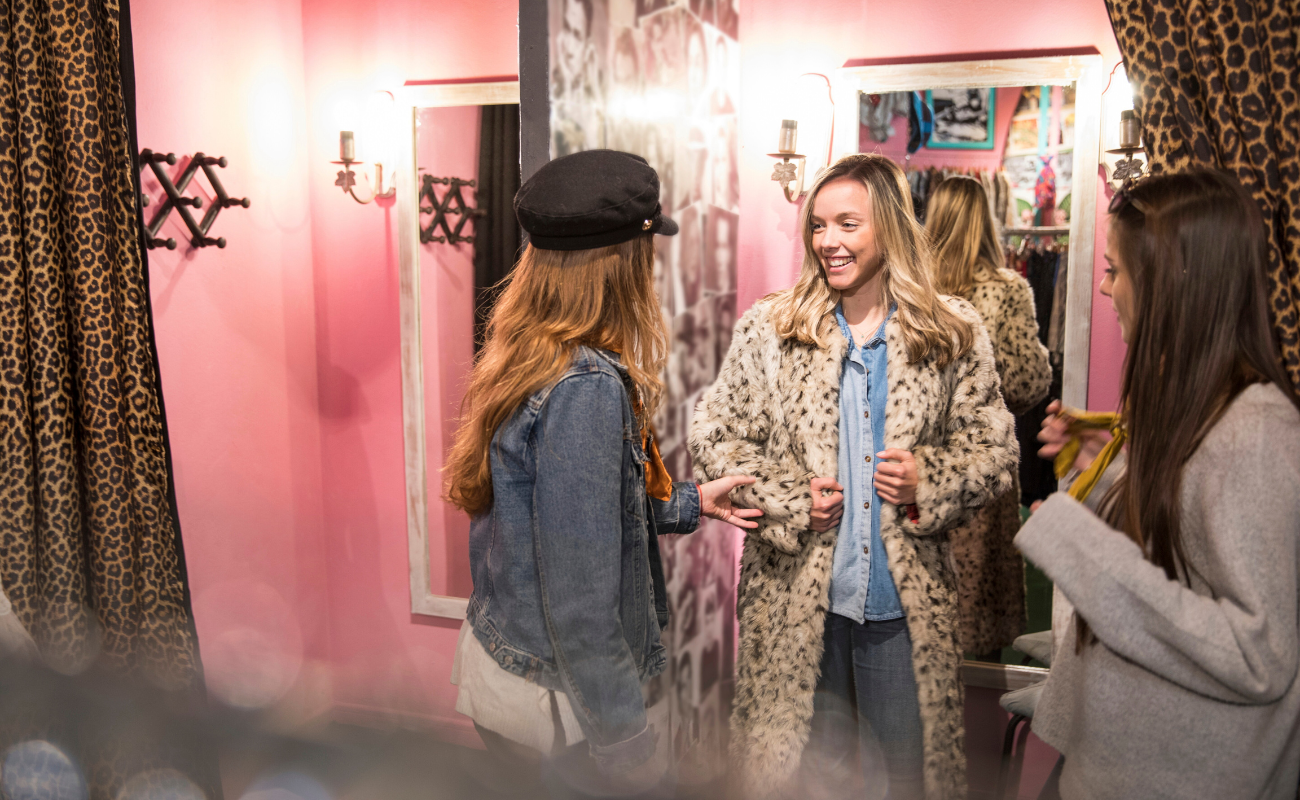
Gen Z and Millennials are still open to luxury items, but the average purchaser is looking for an investment. Value realisation is a tool of measurement. Statement pieces with sustainable production and social currency are important factors. And if they can find it thrifted? Forget buying straight from the retailer.
Millennials and Gen Z aren’t difficult to understand. Their preference for pre-loved comes from a long list of well-informed factors; it’s up to brands to meet them where they are.