From a vast new museum in Western Sydney to the world’s southernmost hotel, November is delivering a strong collection of reasons to travel for art, architecture and design.
This month’s most significant openings share a common theme. The buildings are as important as the experiences found inside them. Former offices, department stores, bank towers and historic hotels are being transformed into cultural destinations, while new institutions are attempting to shift how visitors experience their cities.
Here are seven creative travel developments worth knowing now.
Powerhouse Parramatta opens in Western Sydney
Western Sydney’s first state cultural institution opened to the public on 7 November, marking the arrival of one of Australia’s most ambitious recent cultural projects.
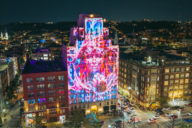
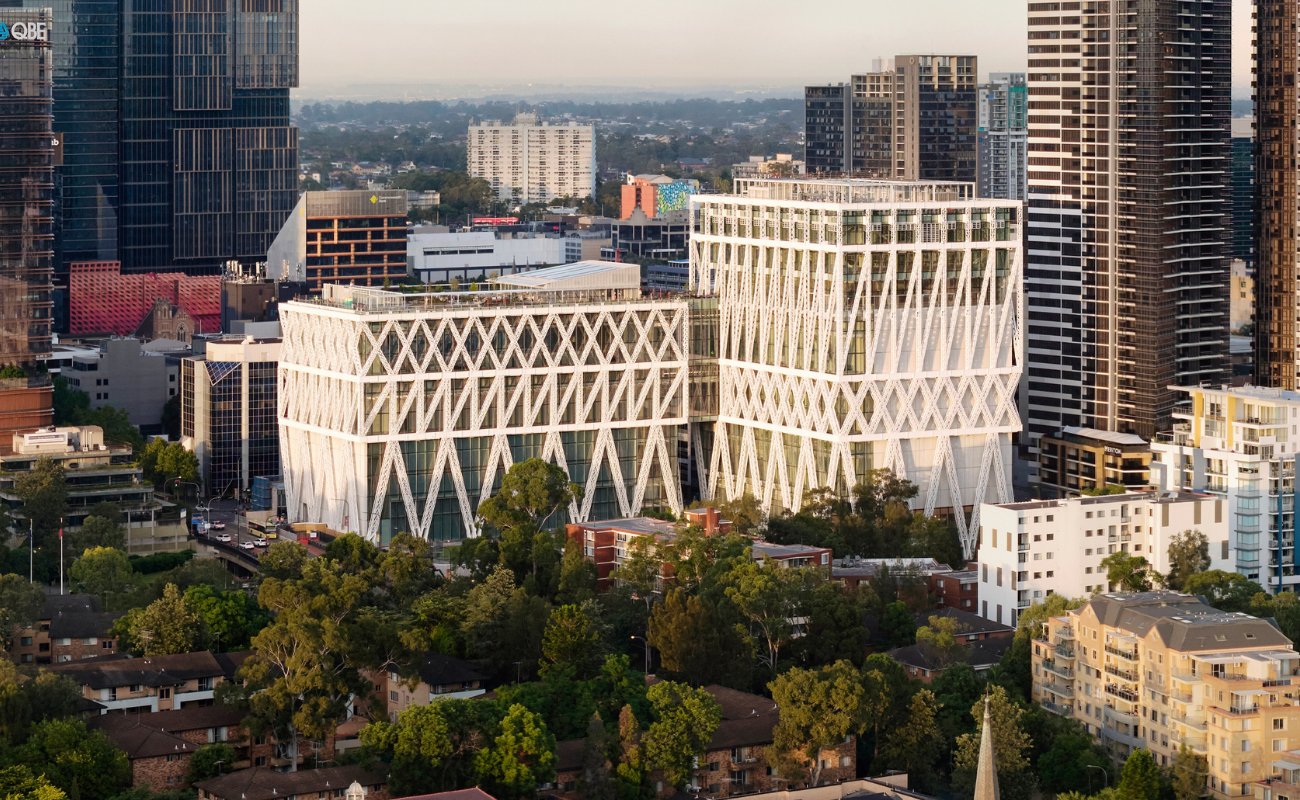
Designed by French-Japanese architecture practice Moreau Kusunoki with Australian firm Genton, Powerhouse Parramatta (pictured top) occupies a prominent site beside the Parramatta River. The A$915 million development launches with five exhibitions featuring more than 3,000 objects.
Its opening programme moves between science, fashion, technology, architecture and First Nations knowledge. One of the inaugural exhibitions, The Mall, explores the cultural and architectural influence of shopping centres. It begins in Western Sydney, where one of the first large-scale, transport-integrated Westfield centres opened in Blacktown in 1959.
The museum’s significance extends beyond its collection. For international visitors, Sydney’s cultural itinerary has traditionally remained concentrated around the harbour and central city. Powerhouse gives culturally curious travellers a compelling reason to spend more time in Parramatta, exploring its food, migration histories, creative communities and changing waterfront.
Zaha Hadid’s former London studio opens to the public
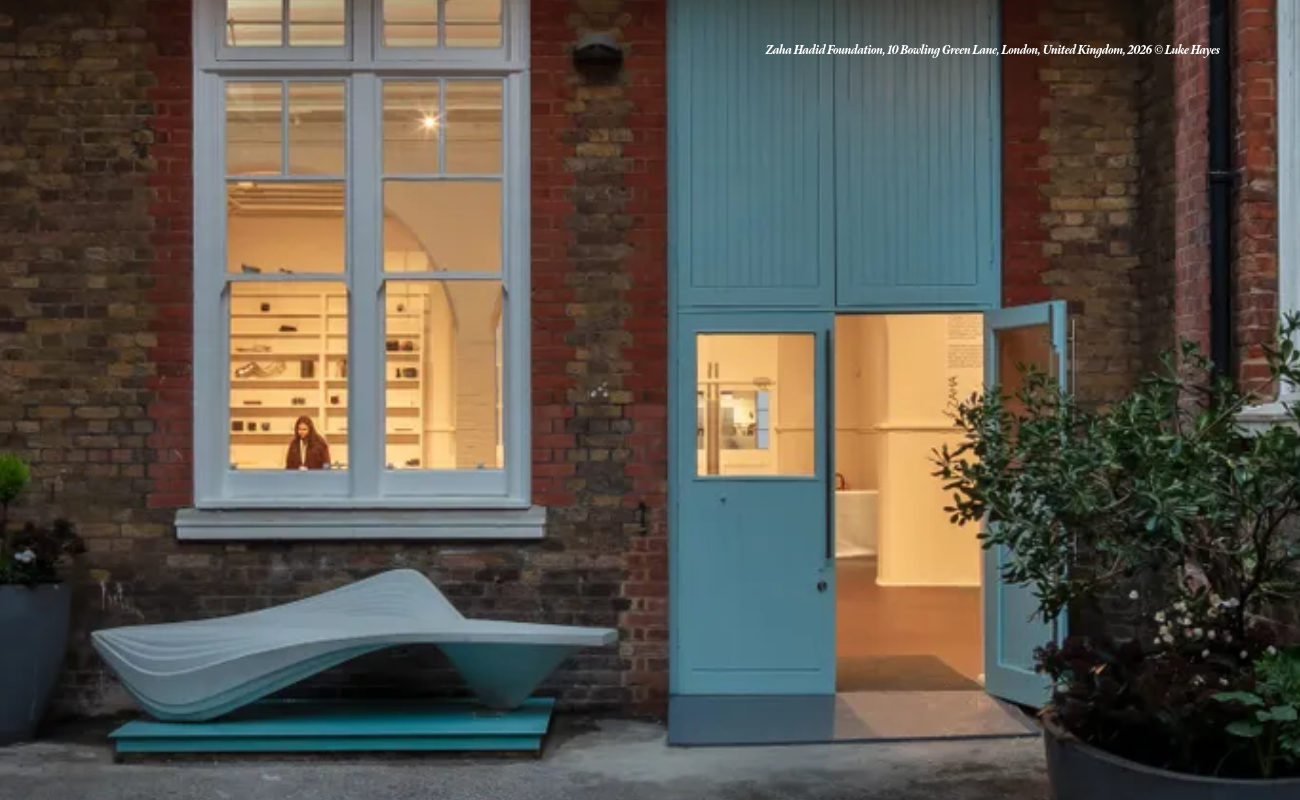
The Victorian schoolhouse where Zaha Hadid worked for more than 30 years has reopened as the public home of the Zaha Hadid Foundation.
Located on Bowling Green Lane in Clerkenwell, the Grade II-listed building has been carefully refurbished by Studio KA. Its ground floor now includes two galleries, a learning space, collection displays and a lecture hall.
The opening exhibition, Zaha Hadid: Architecture of Performance, explores a less familiar side of the architect’s career. Drawings, models, costume designs and digital material reveal her collaborations across dance, music, opera and stage design.
A second exhibition, The Rebar Beneath, presents a new film and installation by artist and poet LionHeart. A timeline by illustrator Mona Chalabi examines Hadid’s life and continuing influence.
Experiencing the archive inside Hadid’s former workplace adds another layer to the visit. Rather than presenting her work as a completed architectural legacy, the foundation shows how ideas were developed through drawings, experiments and collaborations across different creative disciplines.
The world’s southernmost hotel opens in Chile
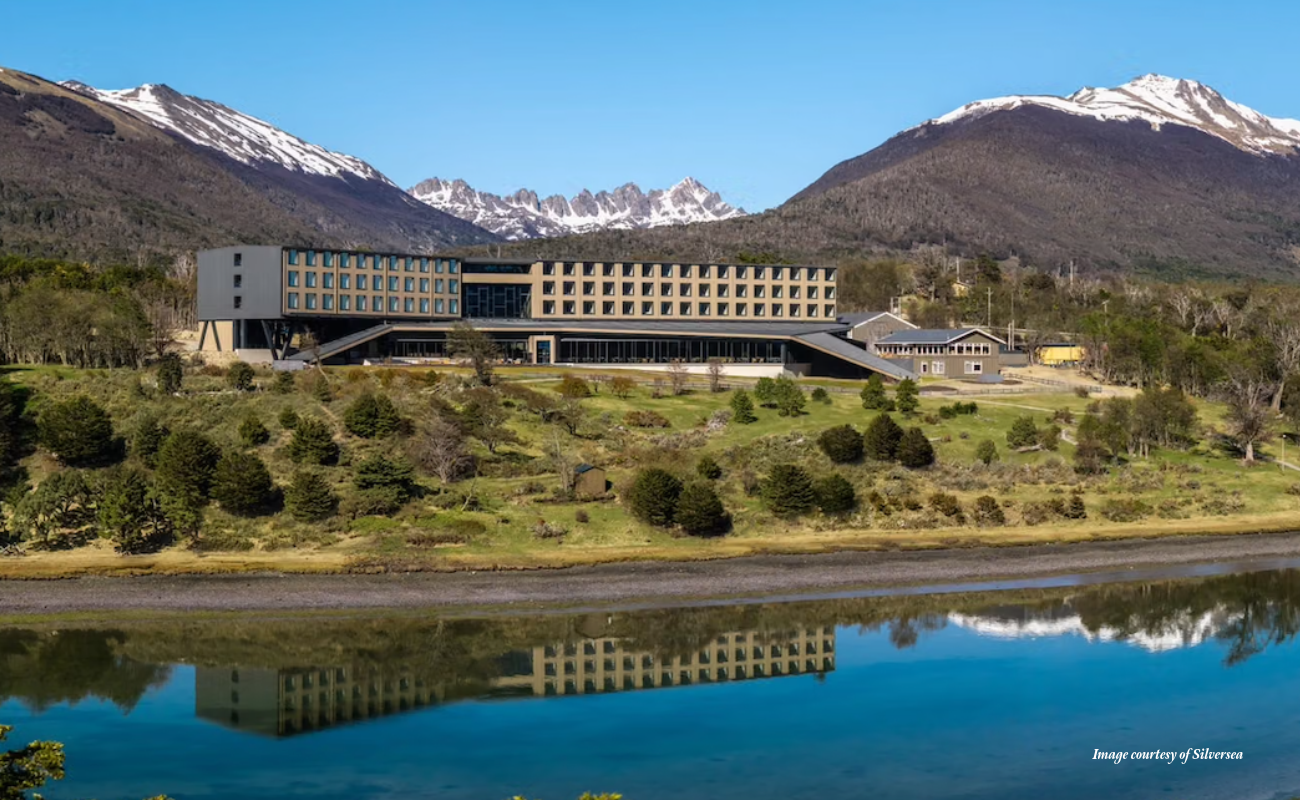
The Cormorant at 55 South has opened in Puerto Williams on Navarino Island, at the southern tip of Chile. Luxury cruise company Silversea bills the 150-room property as the southernmost hotel on Earth. It has been created for travellers joining the company’s fly-cruise expeditions to Antarctica.
Guests stay in Puerto Williams before flying to King George Island, avoiding the traditional two-day crossing of the Drake Passage. The hotel creates a single base for accommodation, expedition preparation and transfers to the Antarctic continent.
Its remote location provided an unusual construction challenge. The modular guest rooms were manufactured in Mendoza, transported across Argentina and Chile then shipped to Puerto Williams for assembly.
More than simply somewhere to sleep before a cruise, The Cormorant transforms the approach to Antarctica into a carefully designed part of the journey. It also places new attention on Puerto Williams, a small settlement surrounded by the mountains, forests and waterways of the Tierra del Fuego archipelago.
Doha builds a permanent market for contemporary design
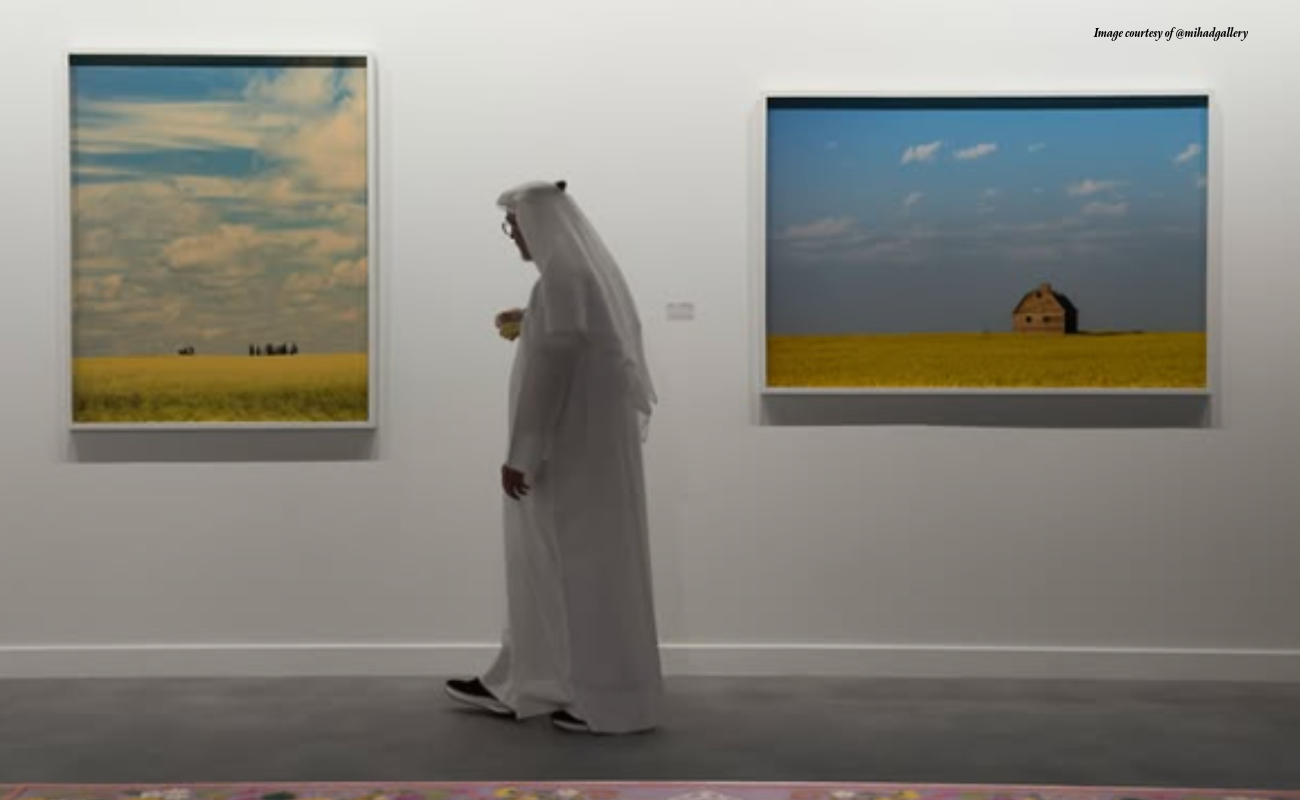
MIHAD opened in Doha Design District on 5 November, introducing a new commercial gallery dedicated to contemporary art and collectible design.
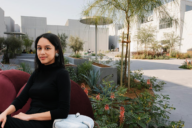
The space combines exhibitions, retail, commissions, workshops and hospitality. Its aim is to connect designers from Qatar, Southwest Asia and North Africa with private collectors, businesses and new international audiences.
Three exhibitions form its inaugural programme. rooted/elsewhere considers landscape, migration and belonging, while Beyond the Letters explores Arabic and Persian typography through textiles, sculpture, jewellery and experimental publishing. Traces of the Desert Light brings together furniture, ceramics and textiles shaped by traditional techniques and material knowledge.
MIHAD launched alongside the second Design Doha biennial, but its permanent commercial model may be the more consequential development. Rather than relying solely on temporary exhibitions, it gives regional practitioners a year-round place to show, sell and develop new work.
A café and chef-in-residence programme extend the concept further, using food and functional objects to make contemporary design part of everyday life.
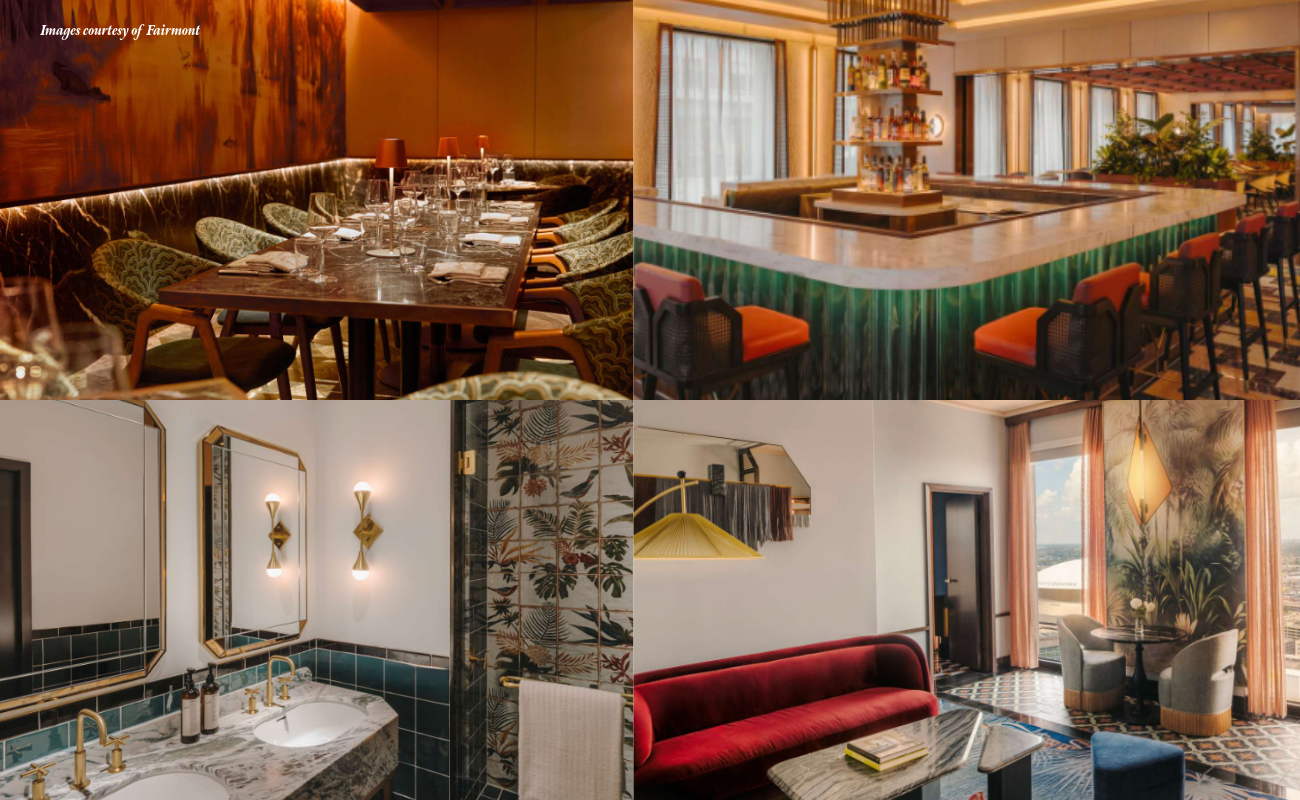
A modernist New Orleans bank becomes a luxury hotel
Fairmont New Orleans opened on 2 November inside the former Bank of New Orleans building in the city’s Central Business District.
The 1970 tower was originally designed by Skidmore, Owings & Merrill, the international architecture practice responsible for some of the most influential corporate buildings of the 20th century.
Rockwell Group has converted 17 floors into a 250-room hotel while drawing inspiration from the contrasts found across New Orleans. The interiors combine polished stone, deep colour and decorative metalwork with references to the city’s natural environment and architectural history.
The opening also marks Fairmont’s return to New Orleans after 20 years. Dining includes a new interpretation of Delmonico Steakhouse and a café created with chef Emeril Lagasse. Further restaurants, a rooftop pool and the spa are due to open in phases.
The project gives a piece of downtown corporate modernism a new public life. It also offers an alternative perspective on a city more commonly marketed through the French Quarter, historic mansions and jazz-age nostalgia.
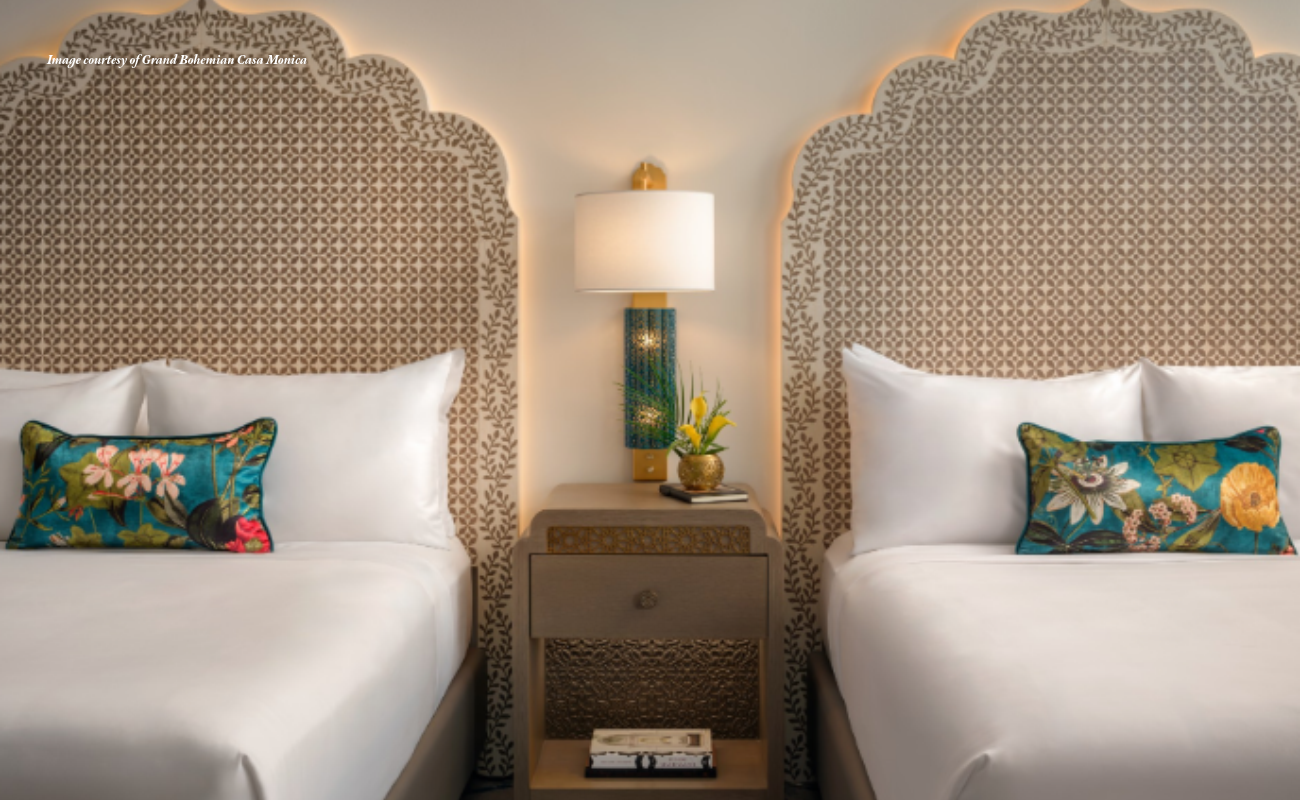
A Florida landmark is reimagined
Grand Bohemian Casa Monica reopened in St Augustine on 5 November following an extensive art and design-led renovation.
Built in 1888, the 137-room hotel is one of the most recognisable buildings in the historic Florida city. Its Spanish and Moorish Revival architecture has survived several different lives. The property operated as a hotel, fell into disrepair during the Great Depression then spent decades serving as a county courthouse.
Now part of Marriott’s Autograph Collection, Grand Bohemian Casa Monica has been redesigned around the colours, patterns and craftsmanship of Morocco and southern Spain.
Guest rooms feature sculptural headboards inspired by traditional arches, embroidered fabrics, jewel-toned colours and carpets referencing Spanish tilework. Moroccan lighting, handcrafted tiles and intricate woodwork continue through the public spaces.
Art remains central to the experience. French-Canadian artist Jean-Claude Roy created 14 original works for the rooms, drawing inspiration from the landscapes, architecture and colours of Morocco.
The renovation shows how a historic hotel can be refreshed without removing the visual eccentricity that made it distinctive in the first place.
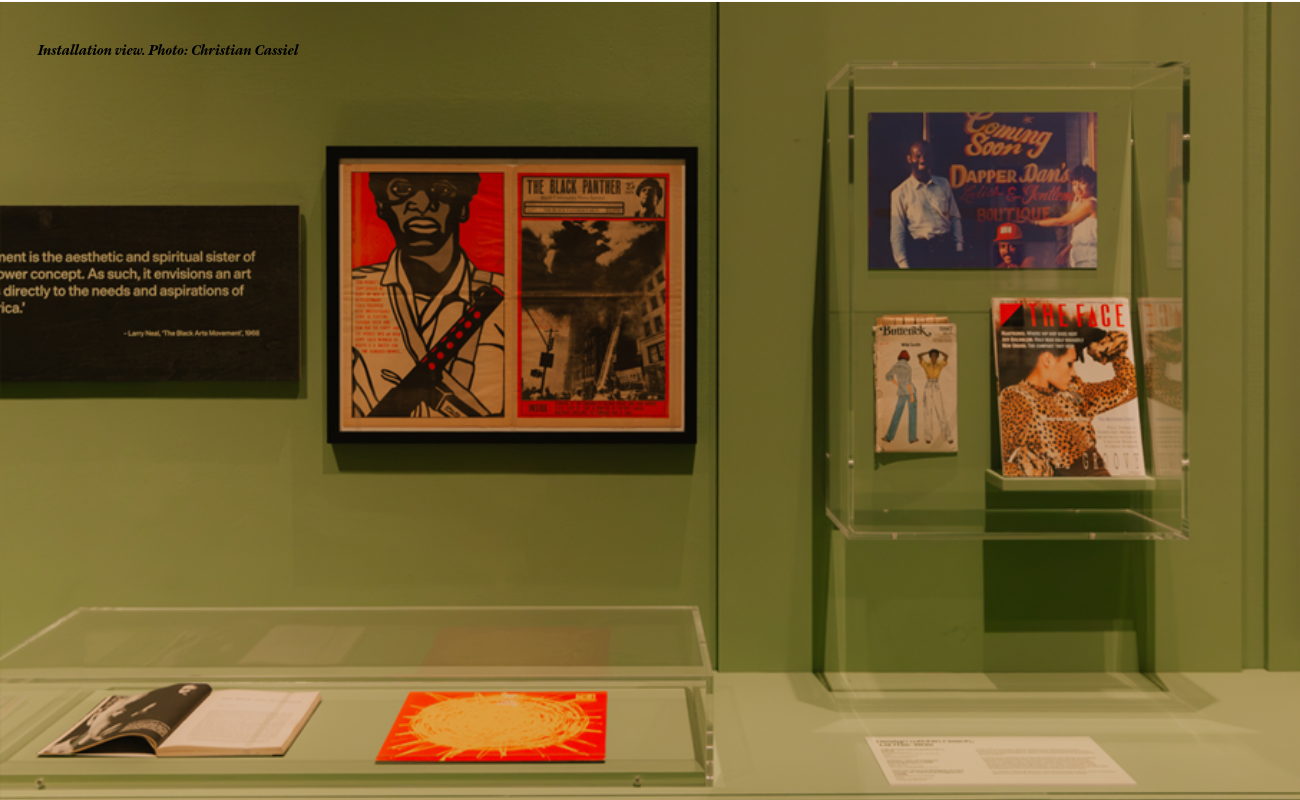
Black design takes centre stage in London
The Nue Black Aesthetic opened at London’s Design Museum on 6 November.
Guest curated by author, journalist and A Vibe Called Tech founder Charlene Prempeh, the exhibition brings together more than 100 objects across fashion, architecture, furniture, product design and sculpture.
Rather than presenting Black design as one recognisable style, the exhibition examines a range of creative practices shaped by different cultures, communities and personal experiences.
Across six sections, visitors encounter designers working with heritage, technology, luxury, domestic space and the built environment. The exhibition considers who receives recognition within the design industry and how cultural identity can influence materials, methods and ways of working.
Running until 8 August 2027, it provides a substantial new reason to include the Design Museum in a London creative itinerary. It also places contemporary Black designers within a wider design history that has too often overlooked their influence.
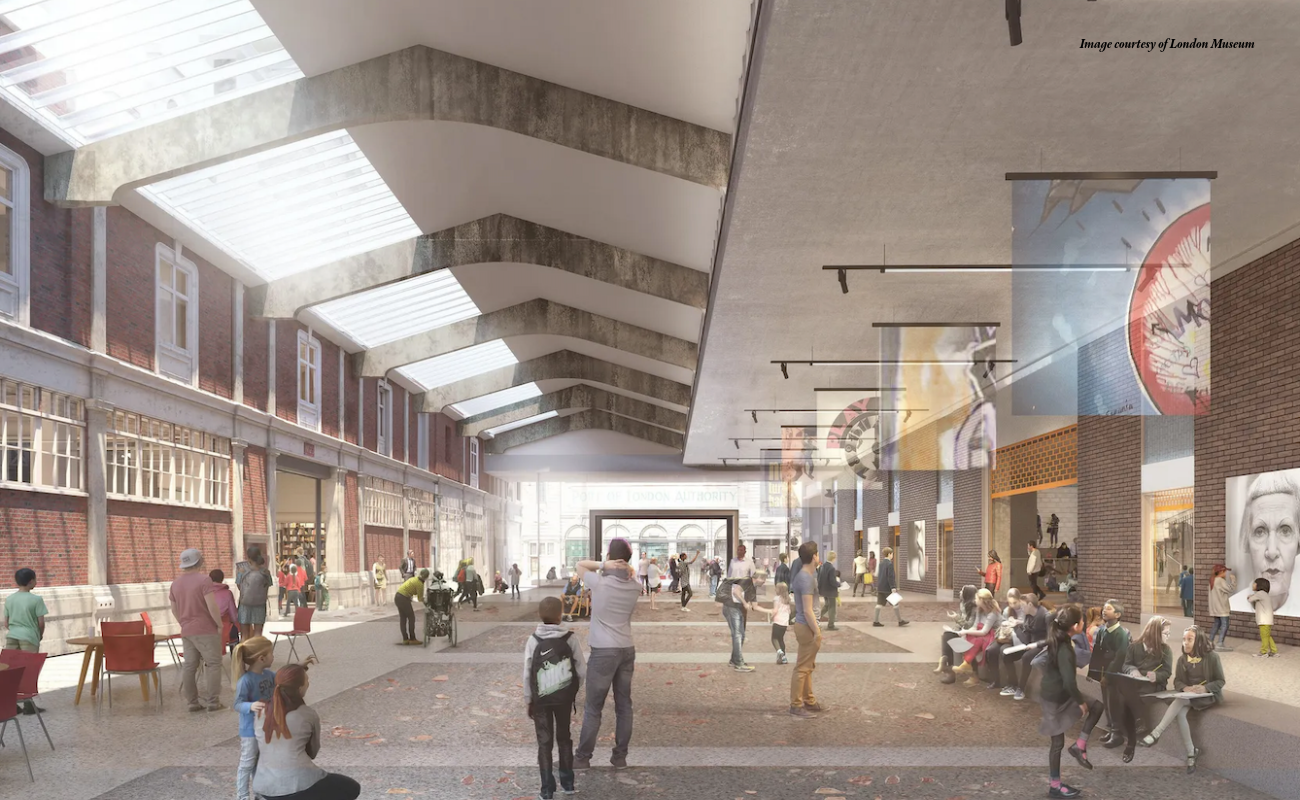
London’s historic market becomes a museum
The new London Museum opens at Smithfield on 28 November, transforming the city’s disused Victorian General Market into a major free cultural destination.
Designed by Stanton Williams and Asif Khan with conservation architects Julian Harrap, the £437 million project returns the market building to public use after more than 30 years. Its permanent galleries will explore London’s history through objects, installations and stories shaped with contributions from more than 100,000 Londoners, while the restored market architecture makes the building part of the experience.