BEYOND ‘HOTEL ART’: HOW INDIEWALLS IS BRINGING INDEPENDENT ARTISTS INTO EVERYDAY SPACES
How Indiewalls Is Transforming Hotel Art
Hotel art has long been a punchline: pleasant, anonymous and selected primarily because it matches the carpet. But at a time when hotels spend millions creating a sense of place, the work on their walls and the artists behind it is becoming increasingly difficult to dismiss as decoration.
Indiewalls has spent the past 15 years attempting to change that relationship. Founded by Gavi Wolf in 2011, the New York art consultancy began with a platform selling original work from the walls of cafés and restaurants. The model changed when Wolf realised that displaying art was not enough: audiences needed a connection to the artist, while artists needed access to places where meaningful creative budgets already existed.
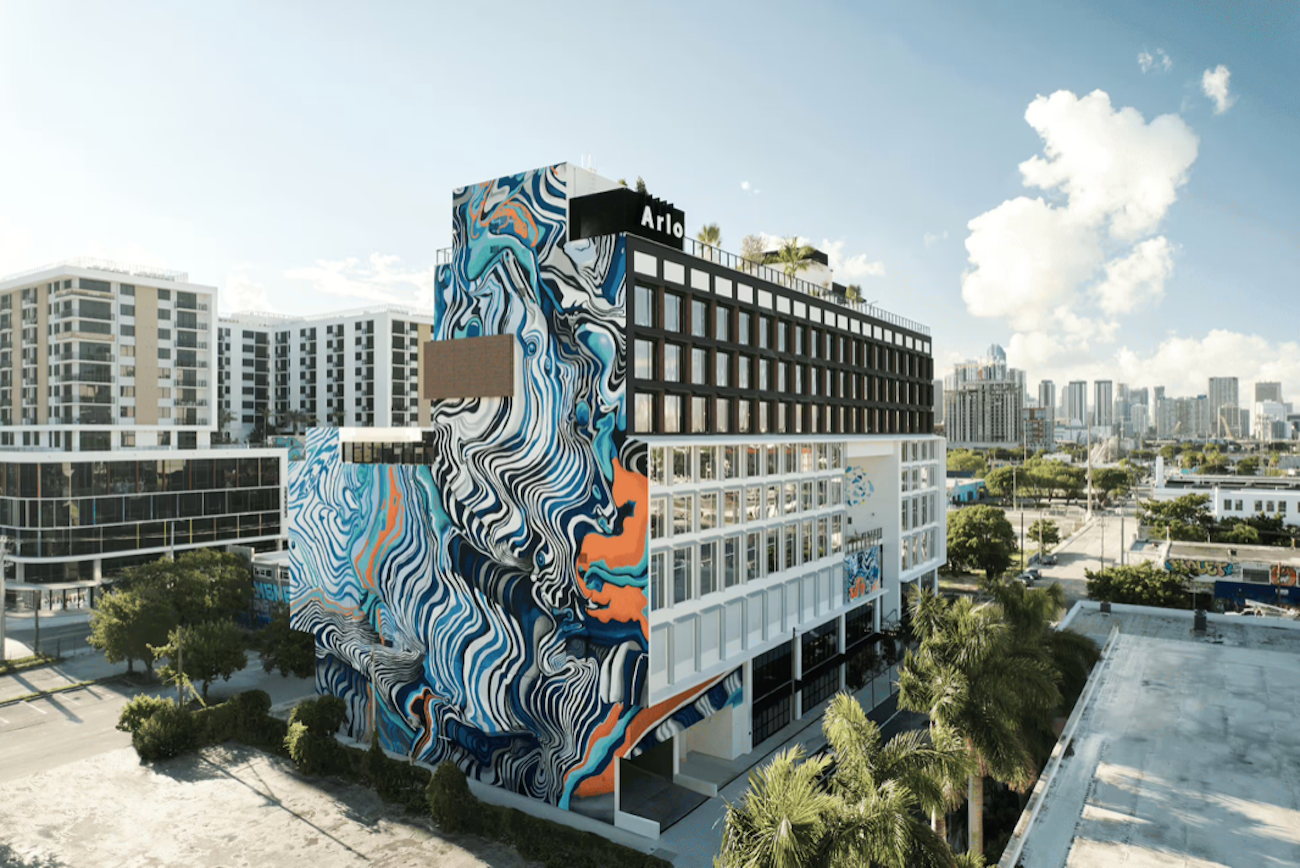
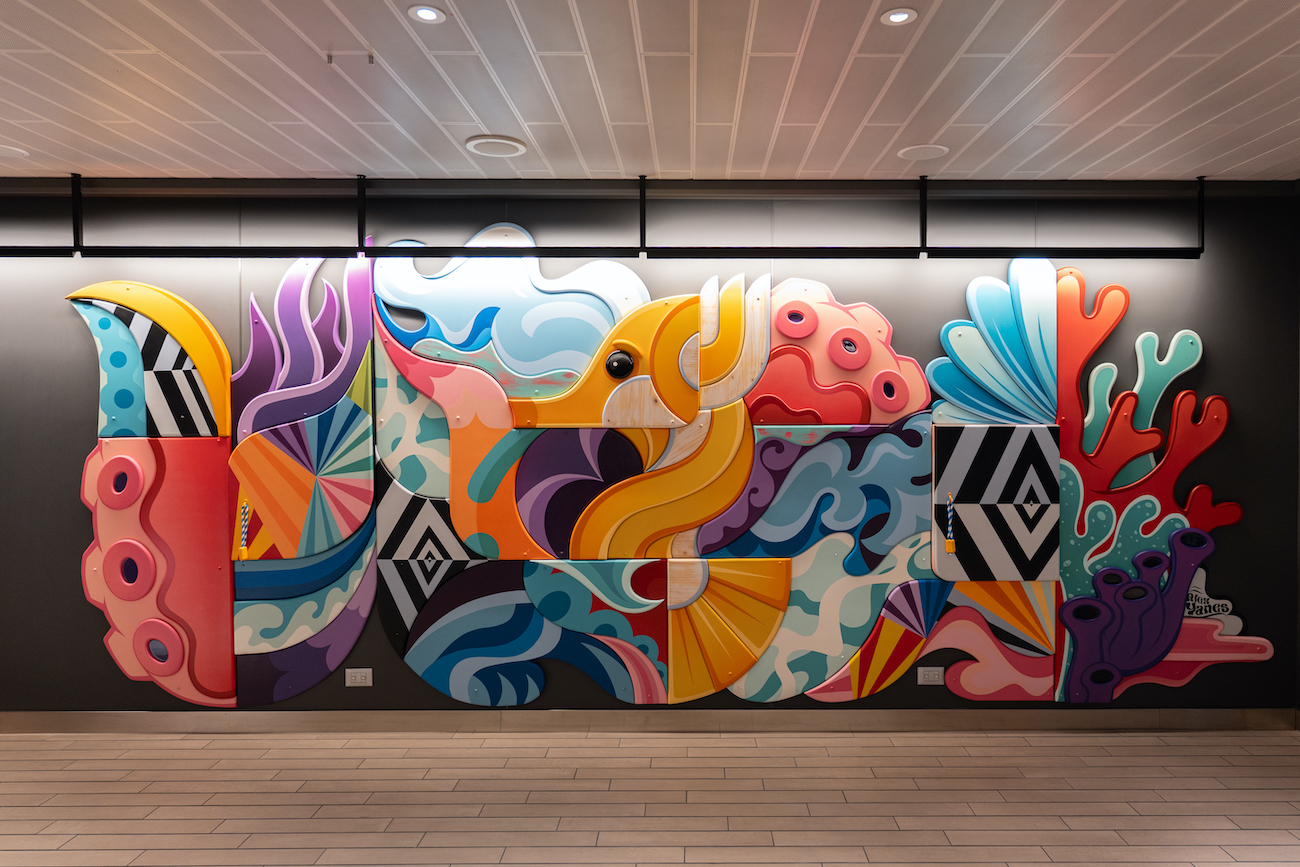
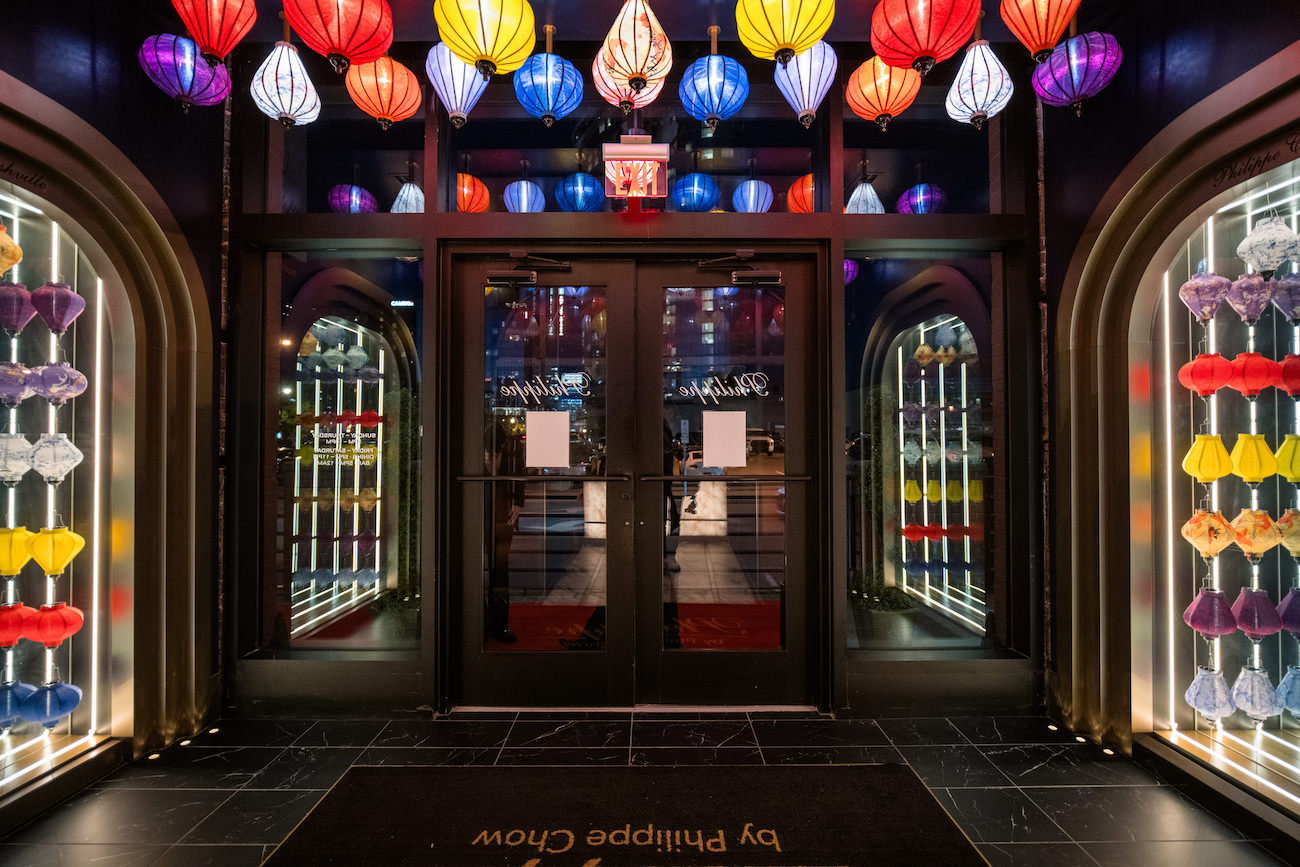
The company subsequently moved into hotels, workplaces, residential developments and healthcare, commissioning work for clients including Amazon, Marriott and Virgin Voyages. During that time, it has paid more than $10 million directly to independent artists, enabling some to work at a scale they had never previously considered.
Yet commissioning art for commercial spaces brings its own complications. Artists must negotiate with designers, developers, hotel operators and budgets; clients must be persuaded away from the familiar and inoffensive; and promises of being “rooted in the neighbourhood” need to amount to more than a convenient marketing line.
As Indiewalls marks its 15th anniversary and launches Indie Art, a more accessible online platform built around curated collections, Fused speaks to Gavi Wolf about creative compromise, the problem with generic hotel art and why the most interesting commissions begin with a little friction.
Indiewalls began by selling original art directly from café and restaurant walls. What did that early model teach you about the gap between artists and potential buyers?
What closes the gap between artists and buyers is feeling a connection to the work and to the artist’s story, but people had a very hard time getting into that headspace in a café. You’re not connecting with the artist behind it. I learned that art needed to go where people spend real time, and where a budget already existed for design and atmosphere. That’s what pointed us at hospitality and workplace.
Fifteen years on, how much of the original Indiewalls philosophy survives within a business now working with global names such as Amazon, Marriott and Virgin Voyages?
There was a philosophy behind it from the start, even if we didn’t realize it at the time. It was built on connection to artists and their story.
Our first artist was Alice Mulbeck. I saw her work in a café at Cornell and loved it because it spoke to me. Her work was moody, I was a moody college student. That’s the experience art provides, it connects people to an emotion and feeling.
We’ve carried that through ever since, by telling artists’ stories and showcasing their work. The technology or the industry can change, but the core is telling stories. Now for clients like Amazon, Marriott and Virgin Voyages it is about the story of the property and the story of the artist.
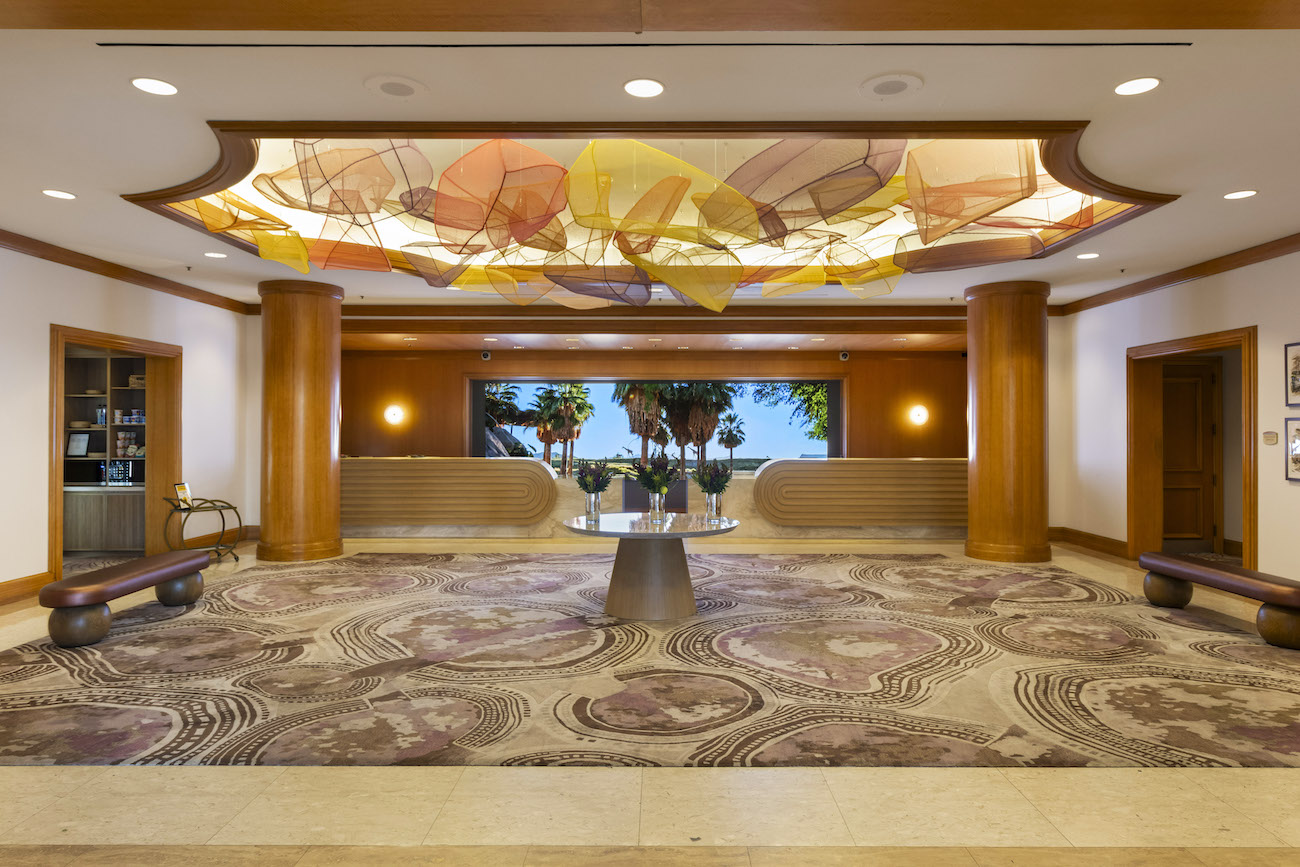
Indiewalls has paid more than $10 million directly to independent artists. Beyond the headline figure, what has that money meant for individual artists and can you recall a commission that materially changed someone’s career?
Yes there are so many. One example is Brit Kleinman’s mutli-story rope piece piece for Amazon Hank and that had a big impact on her career. Another is Grace Teng, who made the largest hanging installation piece she had worked on to-date for Sheraton Phoenix. They discovered new things they could do and taught them a lot about what they were capable of.
The art world has traditionally been shaped by galleries, institutions and a relatively small circle of collectors. Can commissions from hotels and workplaces offer artists a meaningful alternative route?
It’s a more commercial route. Commercial work pushes you to collaborate with clients, and that’s interesting in its own way. You’re creating something new with another person. It’s like two musicians writing a song together. There’s a real experience in that, and it’s different from an artist’s independent work.
Is there an inevitable tension between protecting an artist’s creative voice and delivering something that satisfies a commercial client, designer or global brand?
Sometimes there is tension. Some artists are unwilling to compromise, and that’s okay. That’s art. Sometimes an artist needs to hold their ground, and sometimes we’re working through it. It’s that push and pull that creates something unique. It might teach the artist something or teach the client something. The tension means we’re creating something special and unique.
You have said that hotels can spend seven-figure sums telling their story through design, only to treat the art as an afterthought. Why does that disconnect persist?
The disconnect persists because it takes work to create an interesting story with artwork. You have to be willing to battle it out, back and forth. Creativity is hard. So even when a project spends a lot of money on art, it can still get treated as an afterthought, because it’s just too hard to think about. That’s a real loss, because with a little more time, it could have been something really interesting and beautiful.
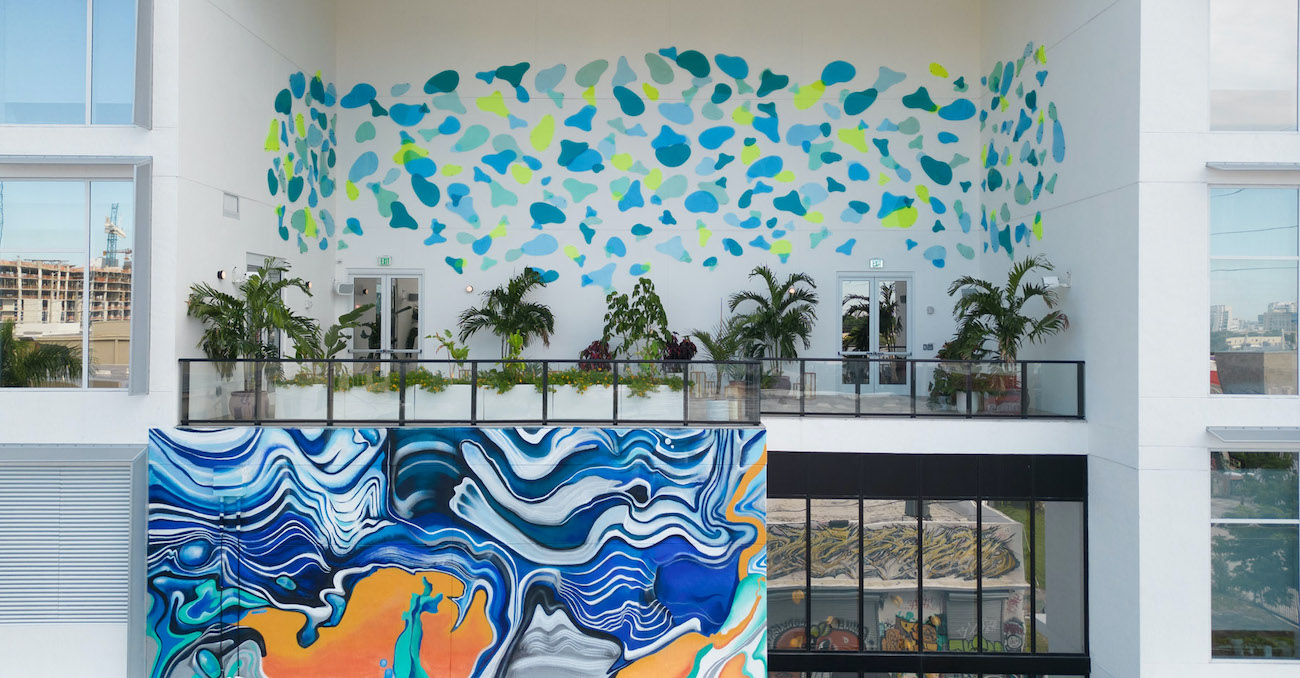
Hotels increasingly claim to be “rooted in the neighborhood.” How can art create a meaningful relationship with a place rather than simply borrowing local culture as a branding device?
An artist who knows the city and knows the place, often brings little tidbits with them. Maybe it’s a restaurant they’ve loved for years, or a bridge or a park that isn’t well known. They weave that into their process, and that can be really interesting. Guests can’t always name the difference, but they can feel it.
Have you ever pushed back against a client because its proposed artwork felt too safe, generic or disconnected from its surroundings?
We definitely push back, but not by saying no. We try to make the idea more interesting, tell a better story, and show clients something that gets them excited. A lot of the time, people just don’t know what’s possible: what’s possible with framing or what’s possible with materials, so our job is to show them what’s possible.
Art in hotels is increasingly chosen for its ability to be photographed and shared. Has Instagram made hospitality art more ambitious, or simply more concerned with spectacle?
Both, and it isn’t a new pressure, hotels have always designed for the eye that walks through the lobby, phones just extended that eye further. The programmes that hold up are built to engage guests and create experience, whether in person or on a phone.
With so much contemporary hospitality design beginning to look remarkably similar, can original art prevent hotels from slipping into the same international visual language?
This can be a challenge with artwork too, because people often go with what they’re used to seeing and what they already like. Again, it takes hard work. Even with art, it takes a lot of energy to keep it from looking generic and boring. There’s a reason ‘hotel art’ has jokes around it being boring and generic. It takes effort, but when you put it in, the art can really shine.
Millions of people encounter art in hotels, offices and healthcare spaces without choosing to enter a gallery. Does that broaden access to contemporary art, or is it still largely being experienced by a privileged audience?
Both are true. Millions of people who’d never choose to walk into a gallery experience serious original work in a hotel lobby or an office, that’s real access. Indie.art is our attempt at extend this access even further towards clients with smaller budgets but still see the value in intentional art.
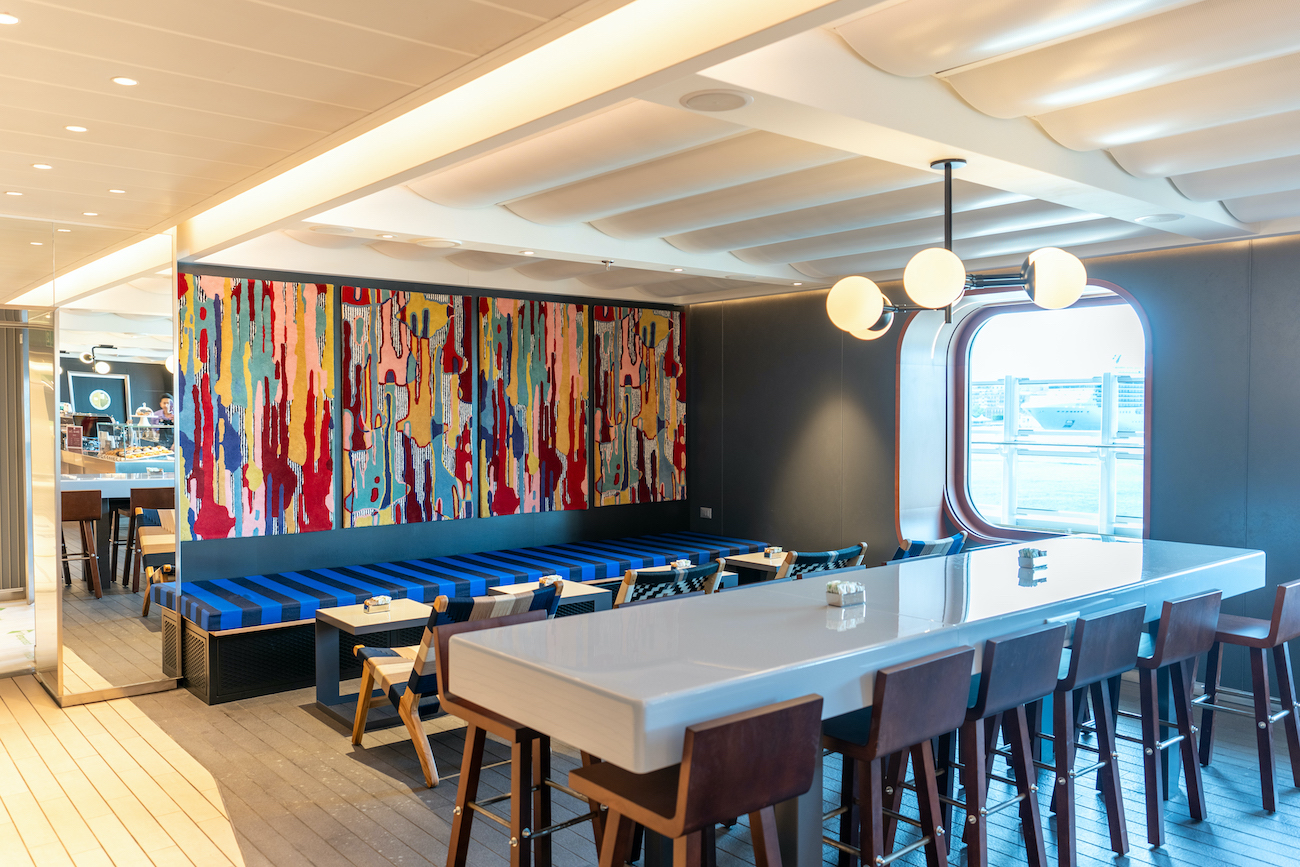
Indiewalls is launching Indie Art to reach more clients and budgets through an online model. How will you make the work more accessible without drifting towards the generic catalogue approach you have deliberately resisted?
We’re going to have a heavy focus on curated collections, and on the finished product, meaning framing. We’re really working on further expanding these collections now, and we’re building each one around a story. We still want the art to be accessible, both in price and in how easy it is to understand, and bring it to life with collections rooted in compelling narratives and interesting artists’ stories.
If we spoke again at Indiewalls’ 20th anniversary, what would you hope had changed, not only for the company, but for the independent artists it represents?
By our 20th anniversary, I hope more and more artists are saying, “I want to be part of the commercial industry.” It’s exciting, it’s dynamic, and we get to tell these unique stories. I hope more artists see the opportunities as we continue to bring art to some of the world’s biggest brands.
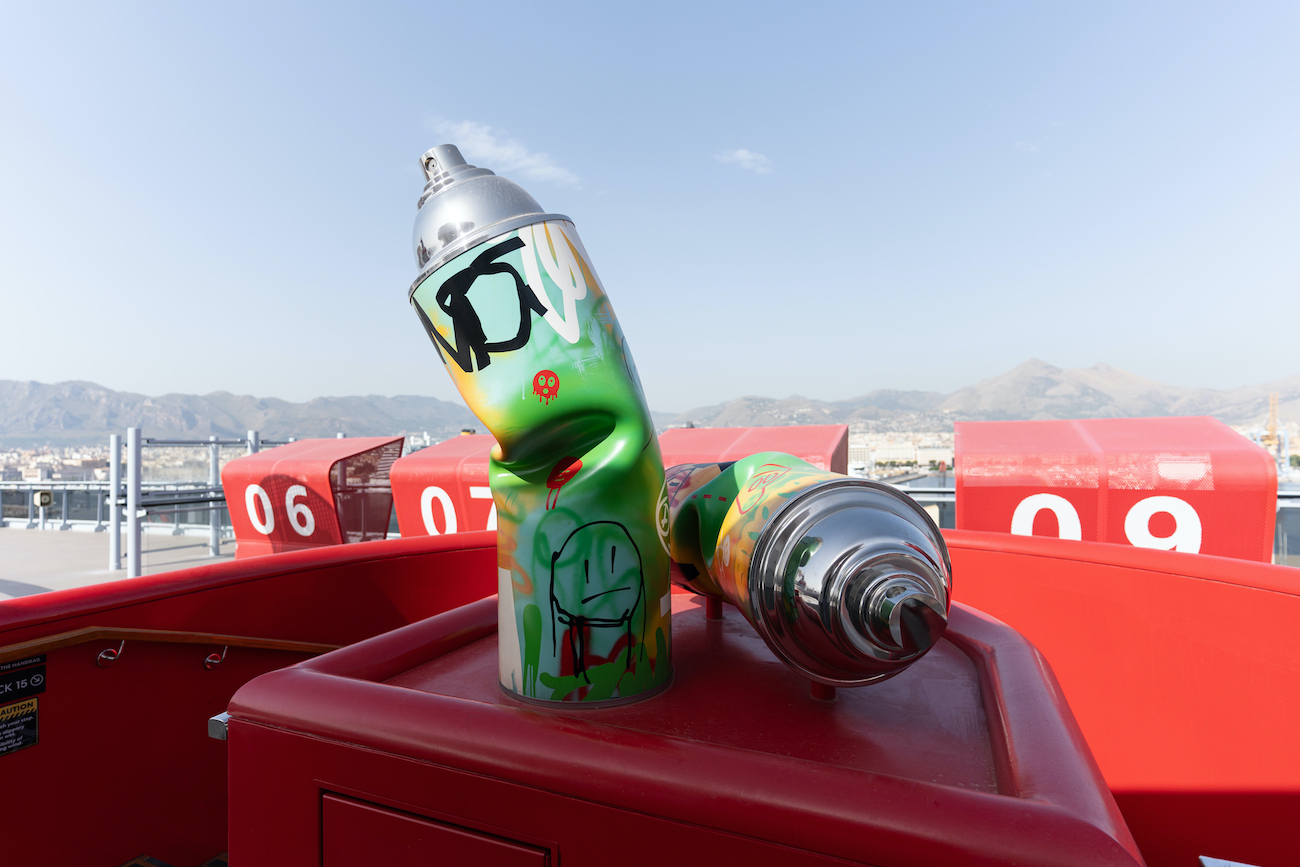
Indiewalls’ story suggests that commercial art need not be a lesser cousin of gallery work. It operates within different conditions—budgets, briefs, brands and competing opinions, but those restrictions can also lead artists towards unfamiliar materials, larger scales and new ways of working.
The challenge is ensuring that accessibility does not become another word for sameness. As Wolf acknowledges, even a generous art budget cannot guarantee anything memorable. Creating work with a genuine relationship to its setting requires research, local knowledge and clients prepared to move beyond what they already recognise.
Fifteen years and more than $10 million in artist payments later, the most meaningful measure of Indiewalls’ success may not be the names on its client list. It is whether more artists can build sustainable careers outside the traditional gallery system and whether the millions of people passing through hotels, offices and public spaces encounter something that makes them pause, look again and feel a connection to the place around them.
David O’Coy