LAS VEGAS, THEN AND NOW: FINDING THE SOUL BEHIND THE NEON
Las Vegas is forever rebuilding itself, but beyond the latest billion-dollar attractions, old signs, historic casinos, dive bars and restaurants reveal a city becoming increasingly interested in preserving its own mythology.
Las Vegas is a city that never stands still. It implodes its past, reinvents its skyline and somehow convinces you that the next big thing is only a few months away. Hotels disappear overnight; entire neighbourhoods are reborn; restaurants become legends before quietly closing their doors. It’s a place built on spectacle, yet the real magic often happens just beyond the obvious.
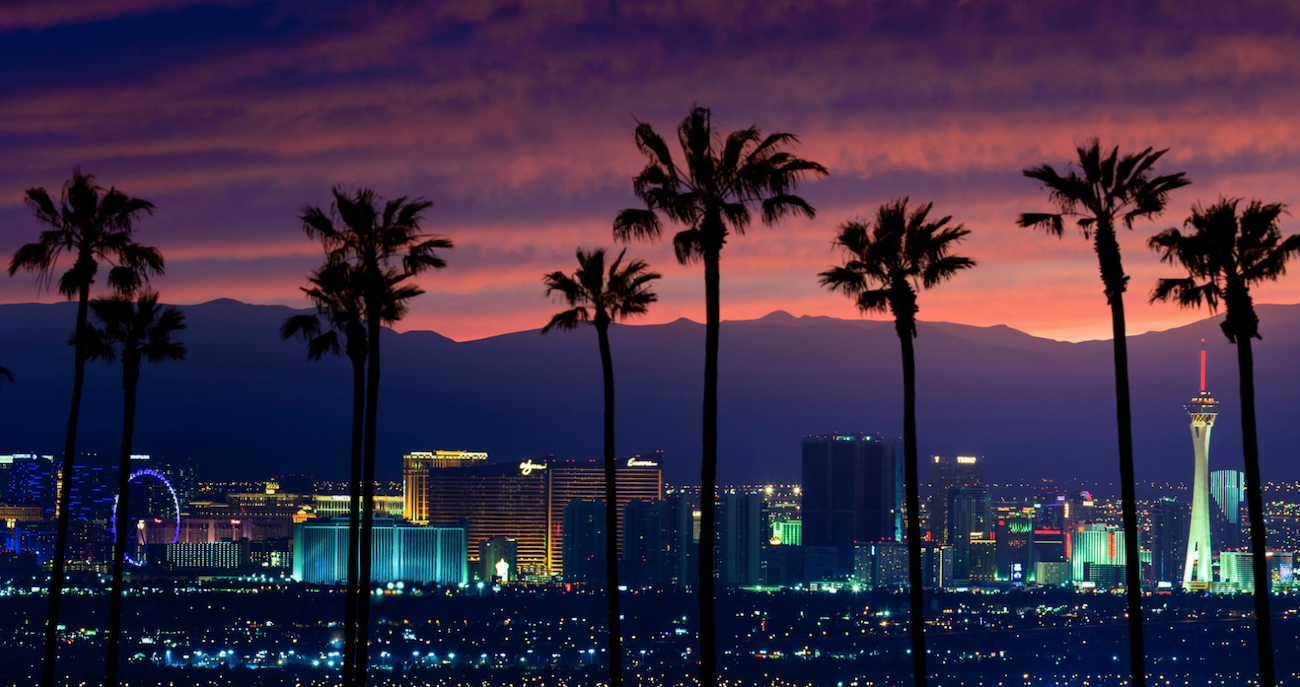
Returning after several years away, I expected the familiar sensory overload. What I didn’t expect was how much of the city I’d fallen in love with all over again. Yes, the Strip is still gloriously excessive: the Bellagio fountains still stop people in their tracks; The Sphere now dominates the skyline like something landed from another planet. But beneath the billion-dollar attractions is another Las Vegas entirely, one built on stories, dive bars, vintage signs and places where the past has somehow survived the city’s constant appetite for reinvention. This is the Las Vegas that deserves your attention.
The city that refuses to forget
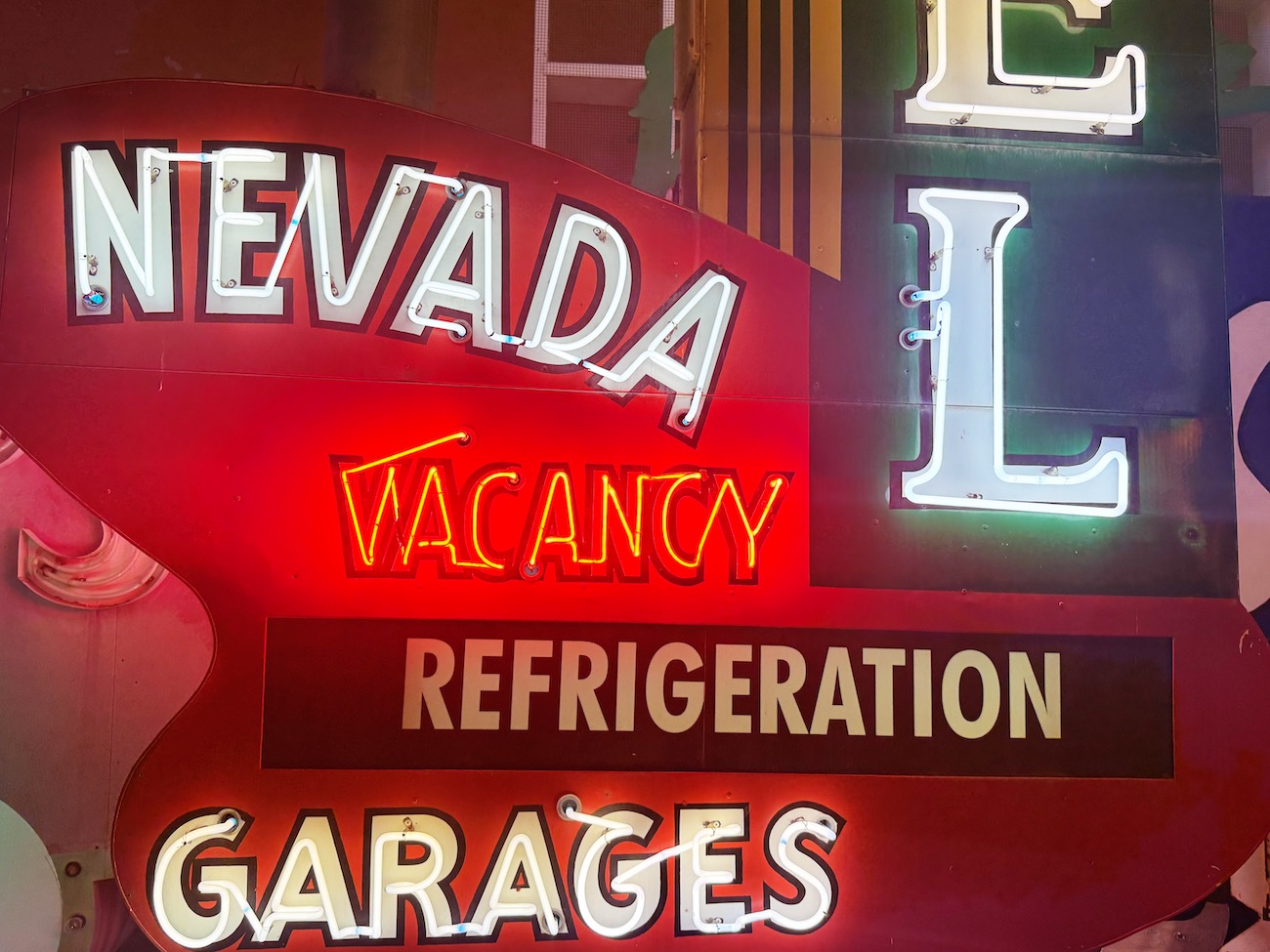
Las Vegas has become remarkably good at preserving its own mythology. The Neon Museum is probably the best example: rather than letting old casino signs disappear into scrapyards, they’re given a second life in the desert landscape. The augmented reality experience, Brilliant! Jackpot, breathes movement back into signs that have been dark for decades; watching Stardust, Moulin Rouge and other Vegas icons illuminate once again feels oddly emotional.
These aren’t just signs; they’re pieces of American cultural history. Up close, they become more than nostalgic props. They tell the story of Las Vegas through typography, engineering, architecture and advertising, tracing the shift from hand-painted lettering and elegant neon to corporate logos and enormous digital screens.
There’s something unexpectedly moving about standing before the old Stardust sign. Once positioned high above the Strip, projecting its atomic-age promise into the Nevada night, it now sits at ground level; the scale remains enormous, but the mythology suddenly feels vulnerable. For a city famous for forgetting, preservation now feels quietly radical.
The same sense of preservation continues downtown at The Mob Museum, housed inside the city’s beautifully restored former Post Office and Courthouse. Las Vegas has never shied away from its complicated past, and that’s refreshing. Rather than sanitising history, it embraces it, telling stories of organised crime, law enforcement and the characters who shaped modern Vegas.
A visit to the National Atomic Testing Museum completes the picture. Only in Las Vegas could nuclear testing become part of the local identity. During the 1950s, visitors would gather on hotel rooftops to watch mushroom clouds bloom across the Nevada desert with cocktails in hand. It sounds utterly absurd now, but somehow entirely believable here.
Elvis hasn’t really left
The Westgate remains one of the city’s most overlooked attractions. Walking through Elvis Presley’s former suite, the extraordinary Imperial Sky Villa, feels less like visiting a museum and more like someone has just stepped out for lunch. The vast living spaces, the theatre where he performed more than 600 sold-out shows, and the memorabilia all reinforce one thing: no performer has ever defined Las Vegas quite like Elvis.
Standing on that famous stage, it’s easy to imagine the roar of the crowd beginning long before he appeared through the curtain.
New Vegas arrives
If old Vegas survives through memories, new Vegas is determined to blow your mind. The Sphere now dominates the skyline and, from the outside, appears almost impossible to ignore.
Inside, watching The Wizard of Oz reimagined in this extraordinary building is unlike any cinema experience I’ve encountered. The visuals wrap around your peripheral vision while the technology disappears completely, leaving only complete immersion. Seats vibrate, chilly gusts of air sweep through the audience and leaves whip around you as if you’re Dorothy caught in the tornado yourself.
For a city obsessed with entertainment, The Sphere somehow manages to raise the bar yet again, offering a visual spectacle both inside during a show and outside through its constantly changing exterior.
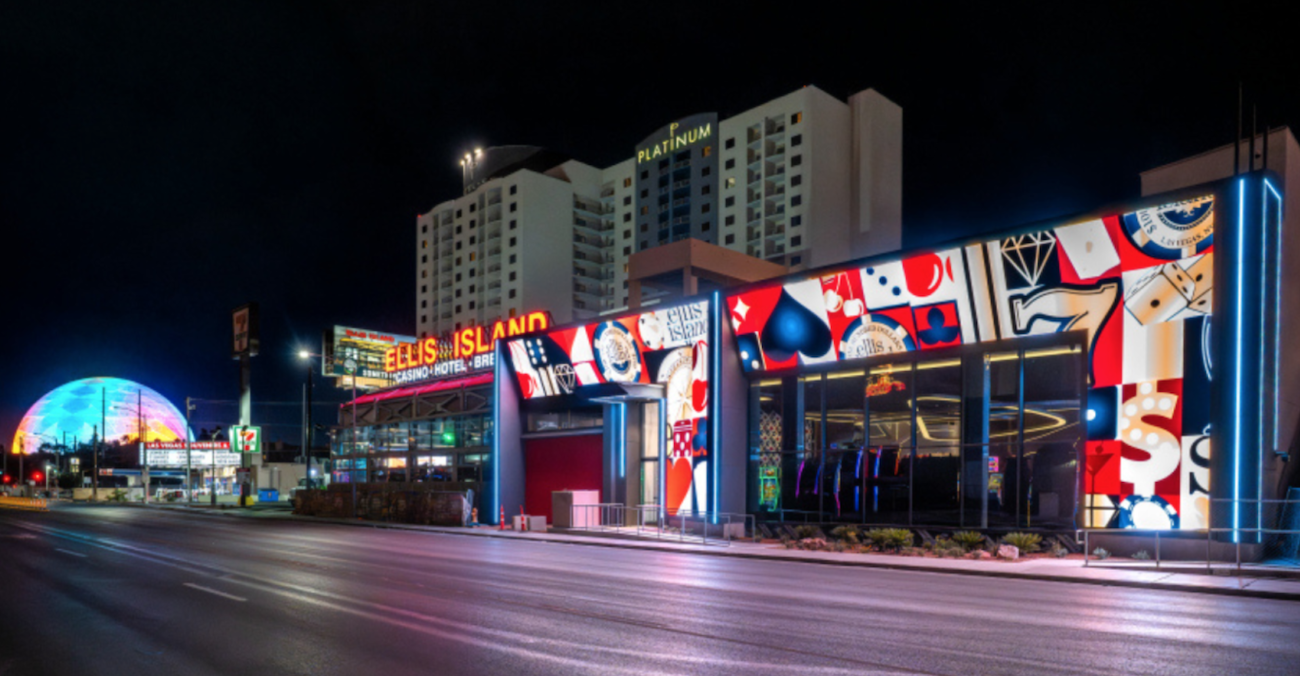
Ellis Island: Vegas without the gloss
Some places don’t need to shout for attention, and Ellis Island has always been one of them. Sitting just off the Strip, it was once the sort of wonderfully rough-around-the-edges local casino where visitors stumbled into karaoke after one too many beers and somehow ended up staying until breakfast. It wasn’t glamorous, but that was precisely the point.
Returning this time, I could hardly believe the transformation. The casino has had a facelift and the microbrewery continues to produce its own pretty decent, affordable beers, but Ellis Island has grown into a genuine destination. The extended restaurant serves generous portions around the clock, and the legendary rack of baby back ribs remains worth crossing the city for. There’s even a stylish rooftop cocktail bar overlooking the Strip.
It feels like Ellis Island has finally realised what everyone else always knew: it was one of Vegas’s best-kept secrets. Unlike so many reinventions in Las Vegas, this one hasn’t lost its personality.
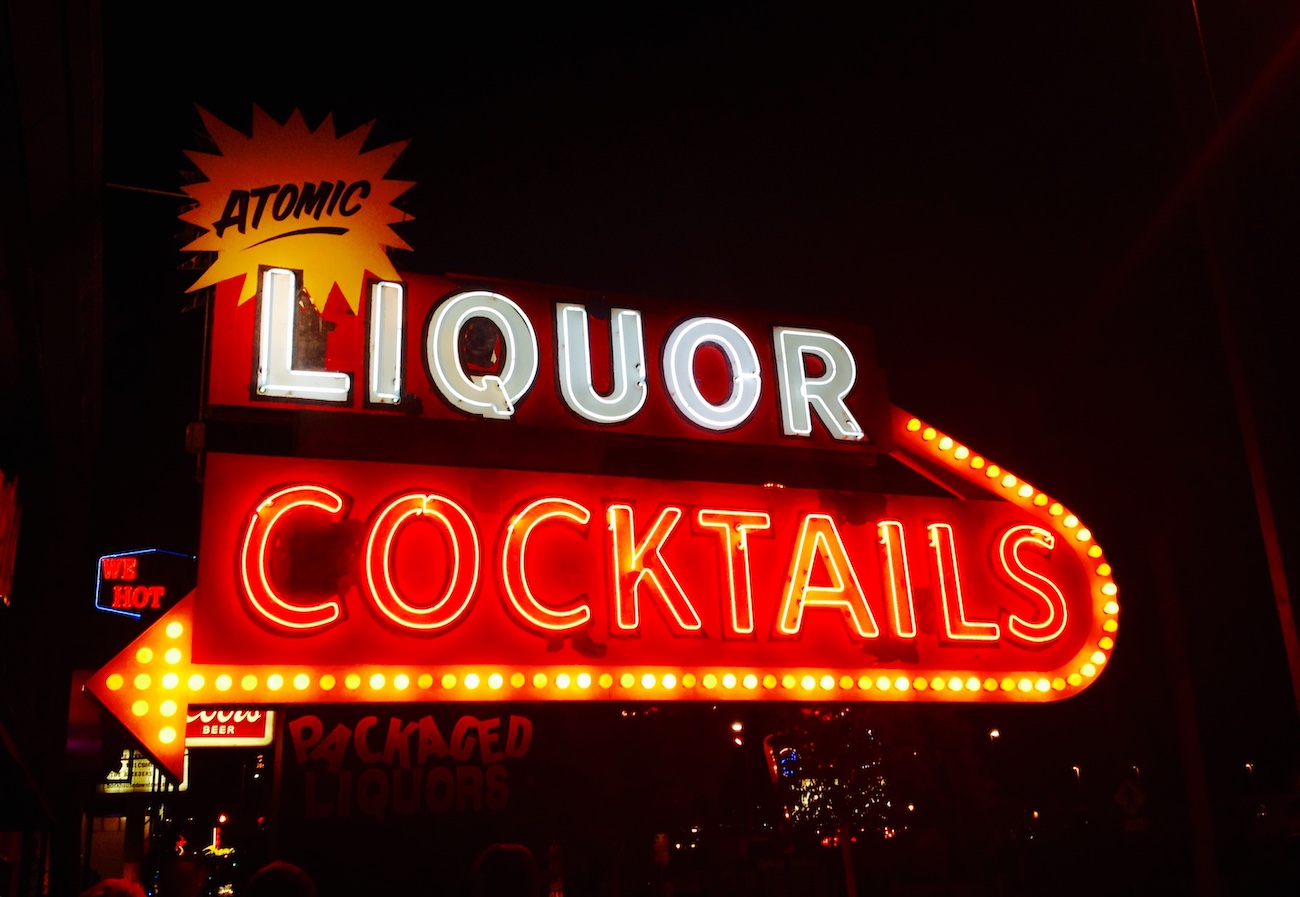
Not everything needs reinvention
My favourite Las Vegas bar, Sonny’s Saloon, has sadly disappeared forever, which genuinely felt like losing an old friend. But thankfully some institutions remain wonderfully untouched.
Atomic Liquors, found at the end of Fremont Street, still wears its history effortlessly. Its walls are soaked in decades of stories involving the Rat Pack, Anthony Bourdain and generations of locals.
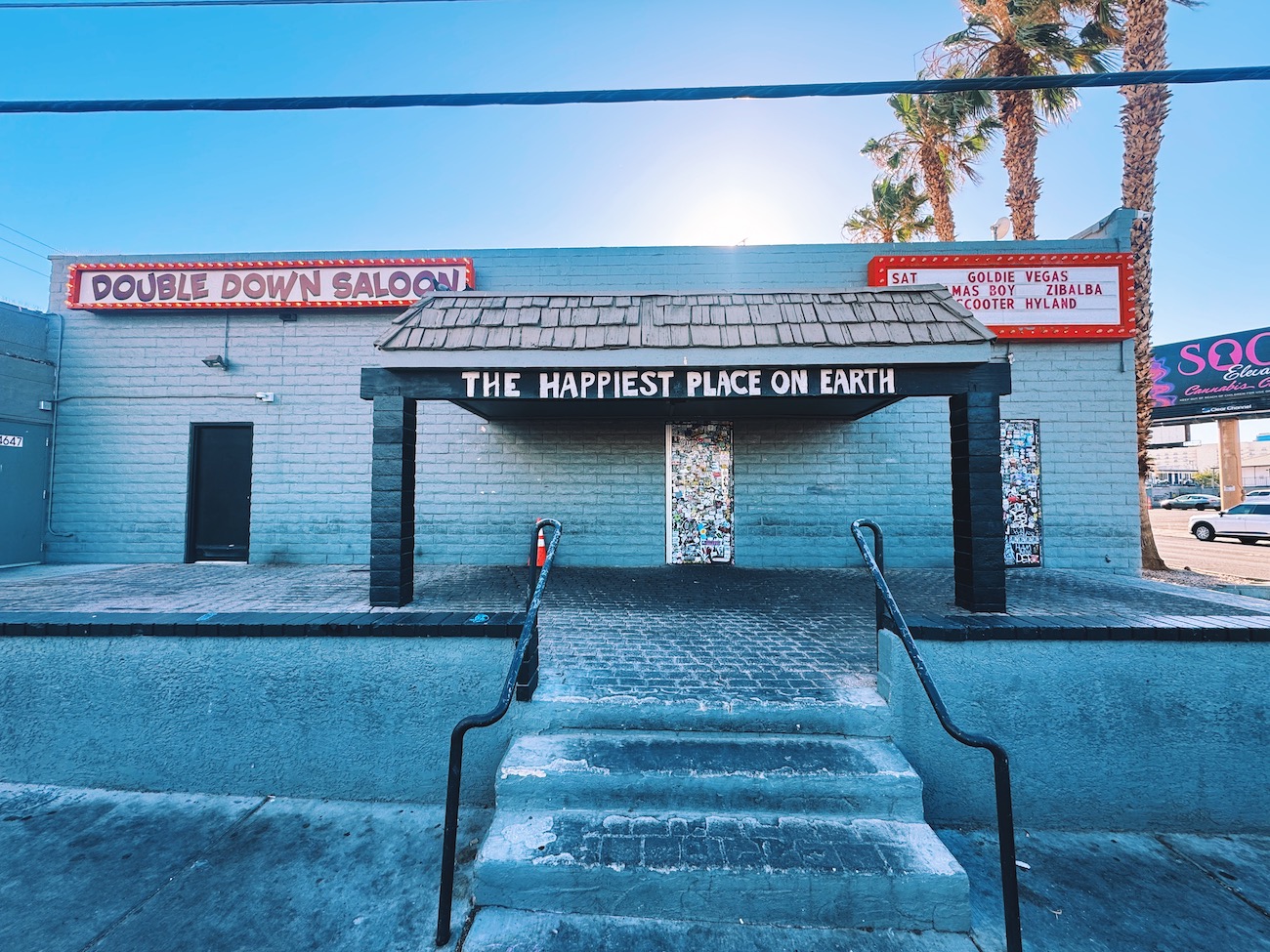
East of the strip, the infamous Double Down Saloon continues to ignore fashion, trends or respectability; it remains exactly the kind of dive bar every city wishes it had. Stickers, graffiti and flyers cover almost every surface, punk bands perform in the corner, the bathrooms remain a test of character and the house drink, Ass Juice, arrives with all the refinement its name suggests.
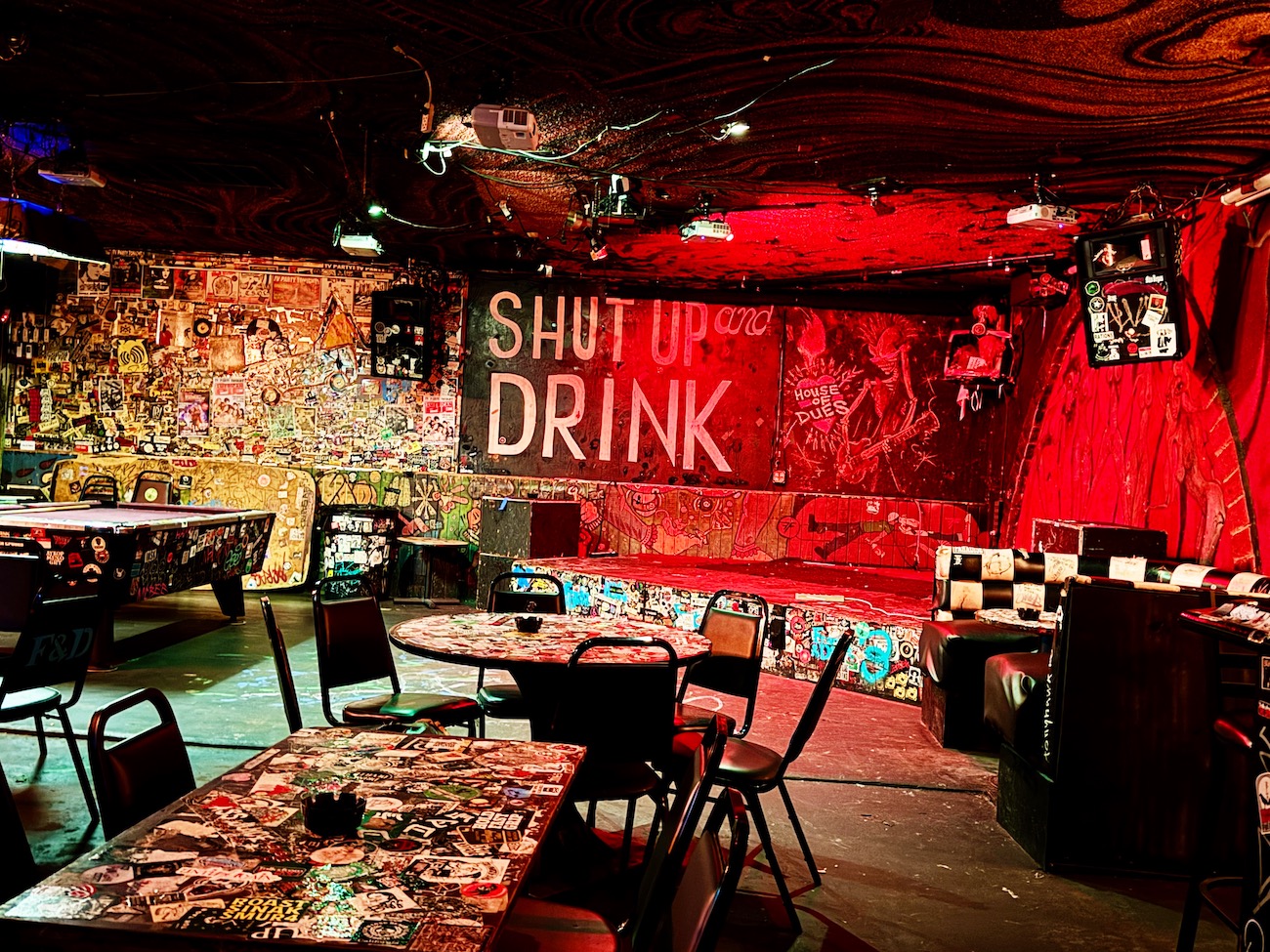
This isn’t retro styling assembled by a hospitality group. It is the real thing: noisy, confrontational, funny and entirely uninterested in whether you approve.
Still proudly doing its own thing, Dino’s Lounge’s karaoke nights can turn a room of strangers into a temporary family, although perhaps only after sufficient alcohol. The singing ranges from genuinely brilliant to what might legally be described as an incident.
These places matter because they preserve something increasingly difficult to find in Las Vegas: unpredictability. They aren’t experiences to be completed or photographed from a designated position; you simply walk in and see what happens.
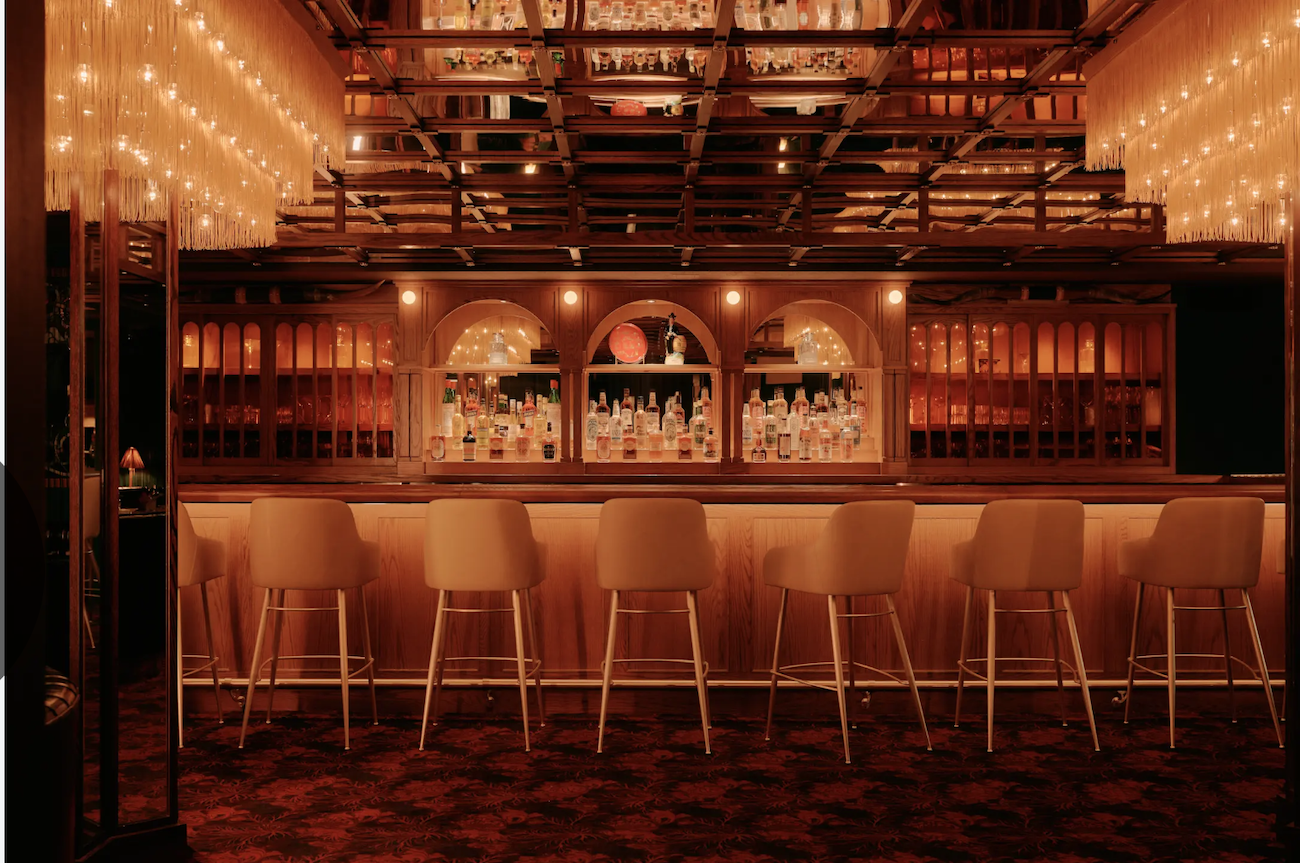
Eating like you mean it
The Golden Steer Steakhouse is a magnificent slice of old Las Vegas: red leather booths, low lighting, tableside theatre and the lingering sense that the Rat Pack might walk through the door at any moment. Open since 1958, it has hosted everyone from Frank Sinatra and Dean Martin to Elvis Presley, but its appeal goes well beyond nostalgia.
My filet mignon was enormous; a great, beautifully cooked slab of beef that made even Vegas portions look restrained and arrived with exactly the kind of ceremony the setting demands.
This is not a place for minimalism, culinary or otherwise. It is classic Vegas dining in its purest form: indulgent, characterful and completely committed to the occasion.
Later, oversized nachos and cocktails beside the fire at the Peppermill Fireside Lounge proved that not every memorable meal needs white tablecloths; sometimes comfort food beneath neon lighting is exactly what the doctor ordered.
The Las Vegas worth finding
Las Vegas isn’t simply old versus new; it’s both at exactly the same time. Nor is it as simple as real versus fake, or culture versus commerce. Las Vegas is all of those things at once. Artificiality is one of the city’s raw materials, used with the same confidence that other places use brick, stone or civic pride.
The city will continue to change: hotels will fall; screens will grow larger; yesterday’s billion-dollar attraction will eventually become tomorrow’s nostalgic memory. The trick is knowing when to stop looking up at the billion-dollar attractions and start looking around. That’s where the real city still lives.